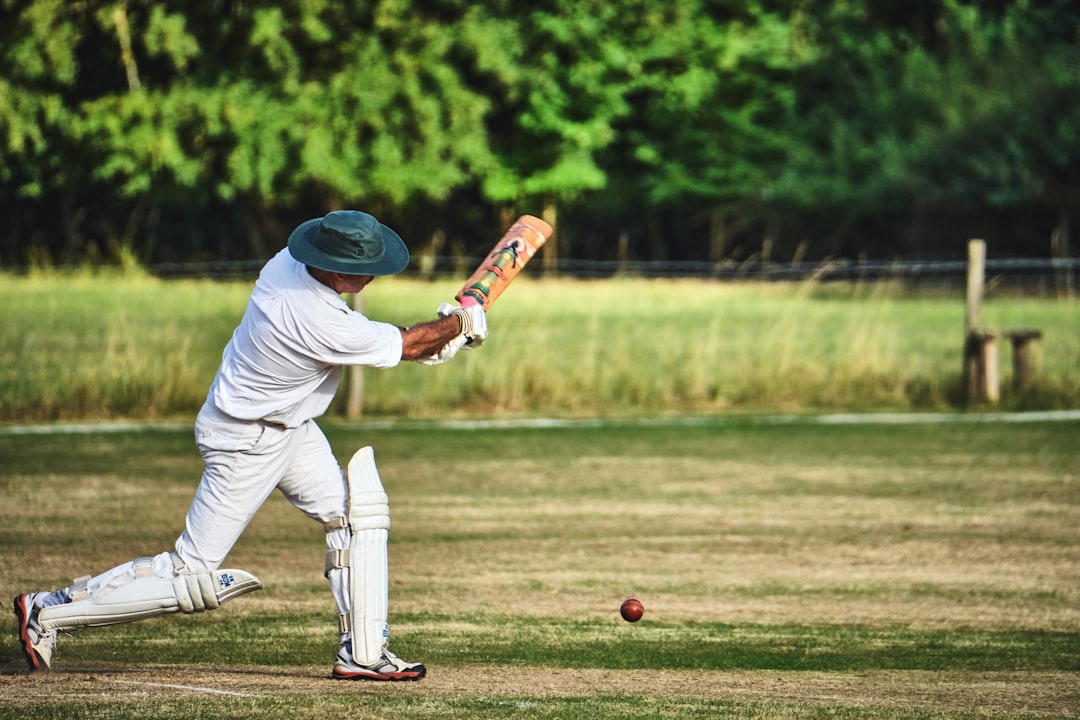
A batsman steps onto the crease, eyes fixed on the bowler’s run‑up, and the entire innings can hinge on the split‑second choice of how his feet land and how his hands wrap around the bat. Those micro‑movements set the foundation for timing, balance, and power, making the study of batting stance and grip fundamentals a cornerstone of any cricketer’s development.
From school‑yard practice sessions to the intense pressure of a Test match, the same underlying principles govern success. By dissecting each element—foot placement, body alignment, grip pressure, and hand position—players can create a repeatable template that adapts to different deliveries while preserving stability and control.
Core Components of an Effective Batting Stance
Foot Placement and Weight Distribution
The starting point of any solid stance is the position of the feet. A balanced base typically features the back foot slightly behind the front foot, forming a gentle V‑shape that aligns with the pitch. The weight should be evenly distributed, allowing for a quick shift forward or back as the bowler releases the ball. This equilibrium prevents lunges that can disrupt timing and protects against being bowled out by a sudden bouncer.
Hip and Shoulder Alignment
Aligning the hips and shoulders parallel to the off‑side line ensures that the bat swing travels along a natural arc. When the hips are open too early, the batsman may expose the stumps; when they remain too closed, the reach for wide deliveries is compromised. A neutral alignment enables a smooth transfer of torque from the lower body to the bat.
Head Position and Eye Focus
The head must remain still, with the eyes level and directed at the ball from the moment of release to the point of contact. This stillness facilitates depth perception and aids in judging line and length. Any premature head movement can cause the bat to miss the sweet spot, leading to mistimed shots.
Knee Flexibility and Stability
Slightly bent knees act as shock absorbers, allowing the batsman to adjust to varying bounce heights. The knees should not be locked, as rigidity reduces the ability to drive through short‑pitched deliveries. Maintaining a modest bend also keeps the center of gravity low, enhancing balance during rapid footwork.
Grip Techniques that Enhance Control
The Standard Grip: Bottom Hand Dominance
In the traditional grip, the bottom hand (right hand for a right‑handed batsman) holds the handle firmly, while the top hand rests lightly, guiding the bat’s swing. This arrangement maximizes power through the bottom hand’s leverage, while the top hand provides direction and timing. Excessive pressure from the top hand can hinder bat speed and cause the bat to close too early.

Adjusting Grip Pressure for Different Shots
For defensive strokes, a slightly relaxed grip allows the bat to absorb the ball’s pace, reducing the chance of edging. Conversely, attacking drives benefit from a firmer bottom hand pressure to channel force directly into the ball. Skilled batsmen modulate this pressure fluidly, matching the shot’s intent without breaking the overall grip structure.
Hand Placement on the Handle
The top hand should sit just above the bottom hand’s thumb, creating a seamless connection that transfers energy efficiently. If the hands are spaced too far apart, the bat’s swing plane becomes unstable; if they overlap excessively, the bat may become difficult to control in late‑swing situations.
Grip Adjustments for Different Pitch Conditions
On slower, low‑bounce pitches, a marginally tighter grip can help generate extra power, compensating for the lack of natural pace. On fast, bouncy tracks, a looser grip aids in timing and reduces the risk of the bat being thrown forward abruptly, which can cause a top‑edge.
Integrating Stance and Grip into Match Play
Pre‑Delivery Routine
A consistent routine—such as a quick glance at the bowler’s wrist, a subtle shift of weight onto the back foot, and a deep breath—cements the stance and grip in muscle memory. Repeating this sequence for each delivery minimizes hesitation and keeps the batsman mentally anchored.
Adapting to Varied Bowling Styles
When facing spin, the batsman often opens the stance slightly, allowing the front foot to step towards the pitch of the ball for better use of the bat’s swing arc. Against pace, a more compact stance with the back foot ready for a defensive back‑and‑forth movement provides stability. The grip remains largely unchanged, but subtle pressure tweaks align with the desired shot selection.
Footwork Synchronisation with Grip
Effective footwork should never compromise the grip. As the front foot moves towards the pitch of the ball, the batsman must maintain the established hand positions, ensuring that the bat follows a consistent swing path. Any deviation in hand placement during footwork can result in a mis‑timed stroke or a loss of power.
Recovering from a Mistimed Shot
If a shot falls short, a rapid return to the original stance and grip is essential. The batsman should reset weight to the back foot, realign the hips, and re‑establish the standard grip before the next delivery. This quick reset reduces the chance of a second mistake and keeps the bowler under pressure.
Key Takeaways for Continuous Improvement
- Maintain a balanced foot base. Even weight distribution across both feet provides the foundation for quick footwork and stable shot execution.
- Align hips and shoulders neutral to the off‑side line. This promotes a natural swing arc and reduces vulnerability to different line deliveries.
- Adopt a consistent grip. Bottom‑hand dominance with a light top‑hand guide ensures power and control across all shot types.
- Modulate grip pressure. Adjust firmness according to defensive or attacking intent, and consider pitch conditions.
- Embed the stance and grip into a pre‑delivery ritual. Repetition builds muscle memory, allowing the batsman to focus on reading the bowler rather than recalibrating fundamentals.
By revisiting these principles during practice sessions and applying them in match situations, players develop a resilient platform that adapts to varied challenges while preserving technical integrity.
Frequently Asked Questions
How can a young player develop a natural batting stance?
Start by practicing in front of a mirror or recording video to observe foot placement, hip alignment, and head stability. Repeating a simple, balanced stance for every ball helps embed the habit, and gentle adjustments can be made as confidence grows.
Is there a single “best” grip for all players?
No single grip suits every individual. The standard bottom‑hand‑dominant grip provides a solid baseline, but variations may be necessary based on hand size, comfort, and the type of shots a player favours.
Can a batsman change his stance mid‑innings?
Yes, but any alteration should be deliberate and practiced. Switching from a slightly open stance for spin to a compact stance for pace is common, provided the player has rehearsed both positions sufficiently.
What role does flexibility play in maintaining a good stance?
Flexibility, especially in the hips, knees, and ankles, allows a batsman to adapt quickly to short, full, and wide deliveries while keeping balance. Regular stretching and mobility drills support a stable stance.
How often should a player review his grip pressure?
Regularly, ideally at the end of each practice session. Players can experiment with light variations while performing different shots, noting which pressure levels yield the most control and power, then standardise the most effective setting.
Stance and grip are the foundation every other stroke is built on, as our batting technique guide explains.
Frequently Asked Questions
How can a young player develop a natural batting stance?
Start by practicing in front of a mirror or recording video to observe foot placement, hip alignment, and head stability. Repeating a simple, balanced stance for every ball helps embed the habit, and gentle adjustments can be made as confidence grows.
Is there a single “best” grip for all players?
No single grip suits every individual. The standard bottom‑hand‑dominant grip provides a solid baseline, but variations may be necessary based on hand size, comfort, and the type of shots a player favours.
Can a batsman change his stance mid‑innings?
Yes, but any alteration should be deliberate and practiced. Switching from a slightly open stance for spin to a compact stance for pace is common, provided the player has rehearsed both positions sufficiently.
What role does flexibility play in maintaining a good stance?
Flexibility, especially in the hips, knees, and ankles, allows a batsman to adapt quickly to short, full, and wide deliveries while keeping balance. Regular stretching and mobility drills support a stable stance.
How often should a player review his grip pressure?
Regularly, ideally at the end of each practice session. Players can experiment with light variations while performing different shots, noting which pressure levels yield the most control and power, then standardise the most effective setting. Stance and grip are the foundation every other stroke is built on, as our batting technique guide explains.