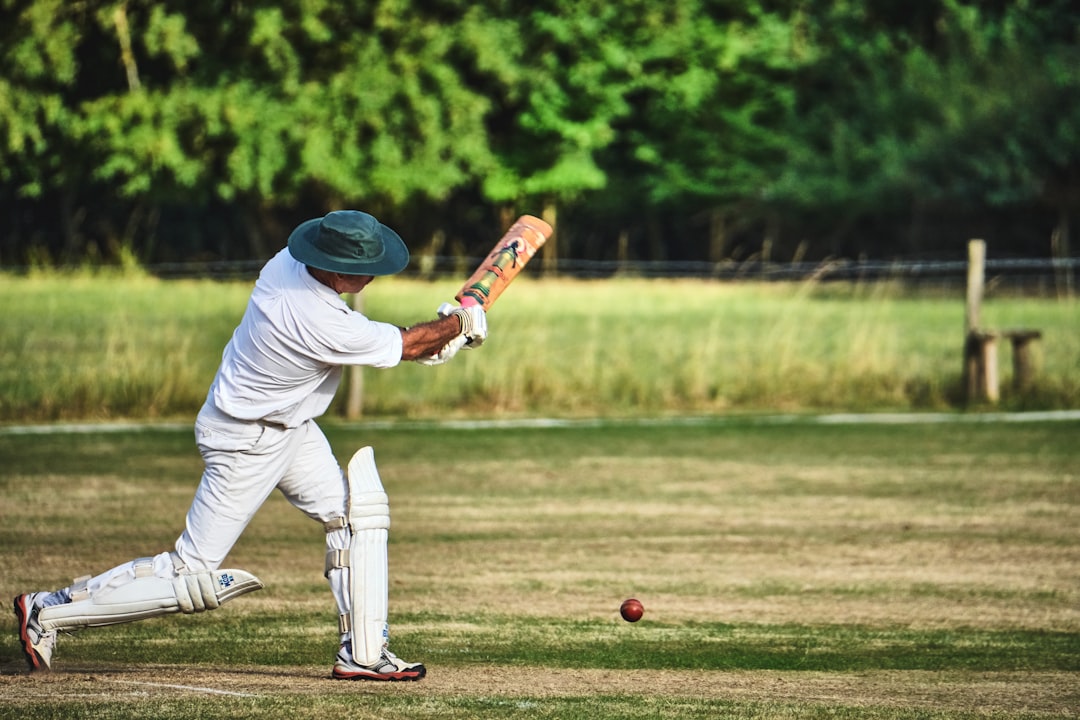
Imagine a bowler delivering a full‑length ball that lands like a gentle slip of rain on a dry pitch, only to surprise the batsman with a sudden loss of velocity that forces a mistimed shot. That moment of deception is the essence of an expertly executed slower ball, a weapon that can turn the tide of an innings when used wisely.
While many bowlers rely on sheer speed, the slower ball in cricket rewards subtlety, control, and a deep understanding of biomechanics. Mastering the variations that create this change of pace requires more than just practice; it demands a strategic approach that blends grip, release, flight, and reading the batsman’s cues.
Grip Adjustments that Reduce Pace Without Sacrificing Control
Fingers Spread for Increased Air Resistance
One of the most reliable ways to diminish speed is to widen the finger span on the seam. By allowing the ball to sit deeper in the palm and spreading the fingers, the bowler introduces additional drag, which naturally slows the ball’s velocity. This grip also helps maintain a stable seam orientation, crucial for preserving lateral movement on responsive surfaces.
Two‑Fingers vs. Three‑Fingers Grip
Using only the index and middle fingers—leaving the ring finger relaxed—creates a “pinch” that lessens the force behind the delivery. Conversely, engaging the ring finger can add a subtle seam‑up effect, making the slower ball behave like a seam bowler’s delivery but at a reduced speed. Switching between these two grips keeps the batsman guessing.
Applying Light Pressure to the Seam
Pressing lightly on the seam rather than gripping it tightly reduces the kinetic energy transferred to the ball. This subtle pressure change is often invisible to the batsman but can shave off several kilometres per hour, providing a useful variation when a sudden drop in speed is required.
Release Variations That Enhance Deception
Round‑Arm Release for a Slower Trajectory
Tilting the arm slightly towards a round‑arm action changes the release angle, allowing the ball to travel on a flatter, more looping path. This adjustment not only slows the ball but also creates a visual cue that can mislead the batsman into expecting a conventional delivery.
Wrist‑Cocked Release for Sudden Speed Drop
By cocking the wrist back at the point of release, the bowler adds a “knuckle‑like” effect that reduces momentum. The wrist’s delay in straightening generates an extra fraction of a second for the ball to lose speed before reaching the batsman, making timing difficult.
Side‑Arm Sling for Lateral Drift
Releasing the ball from a side‑arm position introduces a sideways spin component. While the primary goal is to curtail pace, the added drift can surprise a batsman who is watching for a straight trajectory, further compounding the difficulty of the shot.
Flight and Seam Positioning to Manipulate Bounce
Higher Release Point for a Loopy Flight Path
Raising the release point creates a steeper arc, giving the ball more time to decelerate before it pitches. This higher trajectory often results in a softer bounce, especially on slower, lower‑pace surfaces, prompting the batsman to play forward while the ball lags behind.
Seam Alignment for Controlled Swing and Cut
Even at reduced speed, aligning the seam toward the slips or leg‑side can generate a muted swing. The slower pace allows the air to act longer on the seam, producing either an outswing for a right‑handed batsman or an inswing for a left‑hander, depending on the orientation.
Using the Ball’s Rough Side for Extra Grip
When a ball is worn on one side, presenting the rough side to the pitch can increase friction, causing the ball to “grab” the surface and reduce bounce height. This technique is especially effective on turning tracks where the slower ball can become a subtle cutter.
Reading Batsmen’s Anticipation and Setting Up the Variation
Analyzing Footwork Patterns
Observing a batsman’s initial stride provides clues about the timing they expect. If the bowler notices the batsman committing early, a well‑timed slower ball can trap the foot outside the line, leading to a potential catch behind or a mistimed drive.
Exploiting the “Free‑Hit” Mentality
After a series of fast deliveries, batsmen often anticipate another pace ball, especially when a wicket is in sight. Introducing a slower ball at this moment creates a psychological shift, forcing the batsman to reset their rhythm.
Judicious Use of the Bowler’s Follow‑Through
A smoother, more fluid follow‑through can mask the change in speed, as the visual cue remains consistent with a regular delivery. Conversely, a pronounced stoppage in the follow‑through can signal a slower ball, so maintaining consistency is key.
Practice Drills for Consistent Execution
Targeted Line‑and‑Length Sessions
Set up a series of cones or markers at the intended length and focus on delivering the slower ball to each target. Repeating this drill builds muscle memory for the grip and release adjustments required for accuracy.
Video Analysis for Release Mechanics
Recording each delivery and reviewing the wrist position, arm angle, and seam orientation helps identify subtle deviations that may affect speed. Comparing these recordings with standard fast deliveries highlights the differences that need to be mastered.
Simulated Match Scenarios
Organize practice matches where the bowler is required to use the slower ball at specific overs—such as during a middle‑over spell or when defending a low total. This pressure environment forces the bowler to apply the techniques under realistic conditions.
Key Takeaways for Mastering the Slower Ball
Effective use of the slower ball in cricket rests on three pillars: grip, release, and situational awareness. By adjusting finger spread, experimenting with wrist‑cocked and round‑arm releases, and reading the batsman’s footwork, a bowler can consistently produce a deceptive, well‑controlled variation. Regular practice that integrates target drills, video feedback, and match‑like scenarios ensures these techniques become second nature, allowing the bowler to wield the slower ball as a strategic asset whenever the situation demands.
Frequently Asked Questions
How does the slower ball differ from a traditional off‑spin delivery?
While both aim to reduce speed, the slower ball is typically delivered with a fast bowler’s action, maintaining a seam‑up orientation, whereas an off‑spin delivery involves a dedicated spin technique that imparts significant rotation to the ball.
Can a bowler use the slower ball on any type of pitch?
Yes, but its effectiveness varies. On slower, low‑bouncing surfaces, the ball may sit up and become easier to hit, whereas on faster, greener pitches the reduced pace can cause the ball to skid, making timing more difficult for the batsman.
Is it advisable to bowl the slower ball early in an innings?
Introducing it early can surprise a set batsman and break their rhythm. However, using it sparingly ensures the element of surprise is retained for later stages when the batsman expects consistent pace.
What are common mistakes beginners make when learning the slower ball?
Typical errors include gripping the ball too tightly, which negates the speed reduction, and over‑rotating the wrist, leading to loss of line and length. Maintaining a relaxed grip and a smooth release are essential.
How can a bowler gauge the success of a slower ball during a match?
Key indicators include the batsman’s delayed shot timing, missed edges, and increased reliance on defensive strokes. Consistent dot balls and occasional wickets from mistimed shots also signal effective use.
The slower ball is one of the pace bowler’s variations covered in our guide to cricket bowling.
Frequently Asked Questions
How does the slower ball differ from a traditional off‑spin delivery?
While both aim to reduce speed, the slower ball is typically delivered with a fast bowler’s action, maintaining a seam‑up orientation, whereas an off‑spin delivery involves a dedicated spin technique that imparts significant rotation to the ball.
Can a bowler use the slower ball on any type of pitch?
Yes, but its effectiveness varies. On slower, low‑bouncing surfaces, the ball may sit up and become easier to hit, whereas on faster, greener pitches the reduced pace can cause the ball to skid, making timing more difficult for the batsman.
Is it advisable to bowl the slower ball early in an innings?
Introducing it early can surprise a set batsman and break their rhythm. However, using it sparingly ensures the element of surprise is retained for later stages when the batsman expects consistent pace.
What are common mistakes beginners make when learning the slower ball?
Typical errors include gripping the ball too tightly, which negates the speed reduction, and over‑rotating the wrist, leading to loss of line and length. Maintaining a relaxed grip and a smooth release are essential.
How can a bowler gauge the success of a slower ball during a match?
Key indicators include the batsman's delayed shot timing, missed edges, and increased reliance on defensive strokes. Consistent dot balls and occasional wickets from mistimed shots also signal effective use. The slower ball is one of the pace bowler's variations covered in our guide to cricket bowling.