Reverse swing bowling explained is a topic that intrigues every bowler seeking to add a deceptive weapon to their arsenal. While conventional swing relies on a new ball and a shiny side, reverse swing emerges when the ball is older, the seam is positioned deliberately, and the bowler manipulates airflow to make the ball move opposite to its natural swing direction. Understanding the mechanics behind this phenomenon not only enhances a bowler’s effectiveness but also deepens the strategic appreciation of the game.
Ball Condition and Aerodynamics
Understanding the Ball’s Surface Evolution
As a cricket ball ages, one side becomes rough while the other retains a smoother texture. The rough side disrupts the boundary layer of air, creating a turbulent flow, whereas the smoother side allows a relatively laminar flow. The contrast between these two layers is the foundation for reverse swing. When the ball reaches a certain level of wear, the turbulent flow on the rough side adheres longer, causing the ball to drift towards the smoother side.
The Role of Air Pressure and Speed
Reverse swing becomes pronounced at higher delivery speeds, typically above the threshold where conventional swing starts to diminish. At these speeds, the pressure differential created by the differing airflow patterns is sufficient to push the ball laterally. The faster the bowler releases the ball, the more pronounced the reverse movement, making pace an essential component of this technique.
Seam Position and Release Angle
Strategic Seam Alignment
Placement of the seam at the moment of release determines the direction of the swing. By angling the seam slightly towards the intended direction of movement and maintaining a consistent grip, the bowler can guide the turbulent airflow to create the desired lateral force. A slightly tilted seam encourages the ball to swing towards the side opposite of the seam’s tilt when reverse swing occurs.
Consistent Release Mechanics
Maintaining a repeatable release point ensures that the seam orientation remains stable throughout an over. Bowlers who can consistently present the seam at the same angle produce a reliable swing pattern, allowing them to plan their line and length with greater confidence. A stable release also prevents unintended variations that could reduce the effectiveness of reverse swing.
Wrist and Finger Role
Wrist Positioning for Late Movement
The position of the wrist at the point of release influences the seam’s orientation and the amount of spin imparted on the ball. A slightly cocked wrist can help keep the seam upright while allowing the fingers to apply gentle pressure that encourages late movement. The wrist should remain relaxed yet firm enough to sustain the seam’s angle.
Finger Grip and Pressure Distribution
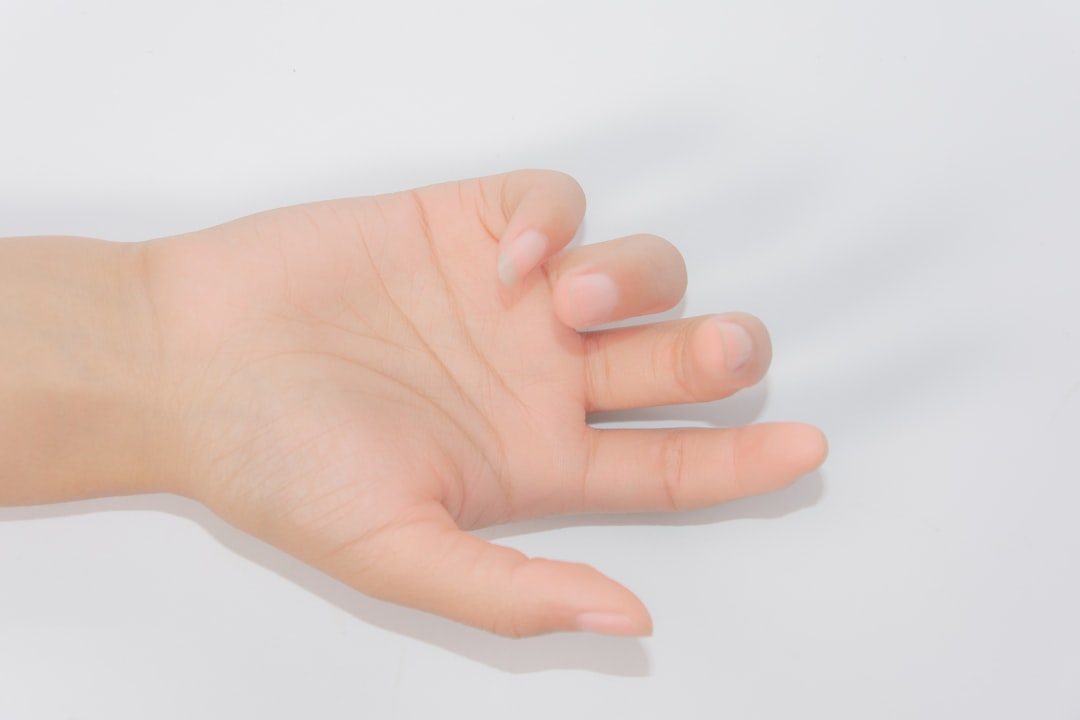
A firm yet flexible grip enables the bowler to control the ball’s orientation without sacrificing speed. By applying even pressure across the seam with the index and middle fingers, the bowler can maintain a smooth release while allowing the ball’s surface to interact with the air in the intended manner. Overly tight grip can restrict the ball’s natural movement, while too loose a grip may result in loss of control.
Run‑up Speed and Delivery Length
Impact of Momentum on Swing
A brisk run‑up contributes to the overall velocity of the delivery, which, as discussed, amplifies the aerodynamic forces responsible for reverse swing. Bowlers who combine a strong, forward momentum with a fluid action generate the speed required for the ball to transition from conventional to reverse swing as it approaches the batsman.
Optimal Length for Maximum Effect
Delivering the ball with a length that pitches just short of a good length encourages the ball to swing late, catching the batsman off balance. By targeting a length where the ball lands on the pitch and shortly thereafter begins its swing, bowlers can maximize the deceptive quality of reverse swing. Consistency in length also prevents the batsman from anticipating the swing’s timing.
Pitch and Atmospheric Factors
Influence of Surface Conditions
The nature of the pitch—its roughness, moisture content, and hardness—affects how the ball behaves after landing. A dry, dusty pitch tends to preserve the ball’s rough side longer, aiding reverse swing. Conversely, a damp pitch can reduce the ball’s ability to grip the surface, diminishing the swing effect. Understanding the pitch’s character helps bowlers adapt their strategies accordingly.
Climatic Elements and Air Density
Humidity, temperature, and wind play subtle roles in swing dynamics. Higher humidity can make the air slightly denser, which may enhance the pressure differential across the ball’s surfaces. Light breezes can also accentuate the swing direction if they align with the ball’s trajectory. While these factors are not the primary drivers, seasoned bowlers take them into account when planning their spell.
Key Takeaways
Reverse swing bowling explained reveals a complex interplay of ball condition, seam orientation, wrist technique, pace, and environmental influences. Mastering each element equips a bowler with a potent tool that can outwit even the most adept batsmen. By focusing on the core principles outlined above, practitioners can develop a consistent reverse swing repertoire and add depth to their overall bowling strategy. Embrace these insights, experiment on the field, and watch the ball dance in ways that challenge conventional expectations.
Frequently Asked Questions
What is the main difference between conventional swing and reverse swing?
Conventional swing occurs with a newer ball where one side is shiny and the other is rough, causing the ball to move towards the shiny side. Reverse swing happens with an older ball where the rough side creates turbulence, making the ball move towards the smooth side at higher speeds.
Can a bowler achieve reverse swing with a slower delivery?
While reverse swing is most effective at higher velocities, bowlers with excellent seam control and optimal ball condition can still generate some degree of reverse movement at slightly lower speeds, though it will be less pronounced.
How important is seam position for reverse swing?
The seam’s angle at release is crucial. A correctly angled seam guides the airflow, creating the pressure differential necessary for the ball to swing in the opposite direction of conventional swing.
Does the type of cricket ball affect the ability to generate reverse swing?
All standard cricket balls can produce reverse swing given appropriate wear and seam alignment. The quality of the leather and the consistency of the seam can influence how easily the ball achieves the necessary rough‑smooth contrast.
Can reverse swing be used effectively on all pitch types?
Reverse swing is most effective on dry, abrasive pitches that maintain the ball’s rough side. On greener or more moisture‑laden surfaces, the ball’s ability to grip the pitch diminishes, reducing the swing’s impact.
Related: 8 Analytical Insights into Reverse Swing Bowling Every Cricketer Should Know
Reverse swing is one weapon among many in our complete guide to cricket bowling.
Related: 9 Fundamental Steps to Master Conventional Swing Bowling Technique
Frequently Asked Questions
What is the main difference between conventional swing and reverse swing?
Conventional swing occurs with a newer ball where one side is shiny and the other is rough, causing the ball to move towards the shiny side. Reverse swing happens with an older ball where the rough side creates turbulence, making the ball move towards the smooth side at higher speeds.
Can a bowler achieve reverse swing with a slower delivery?
While reverse swing is most effective at higher velocities, bowlers with excellent seam control and optimal ball condition can still generate some degree of reverse movement at slightly lower speeds, though it will be less pronounced.
How important is seam position for reverse swing?
The seam’s angle at release is crucial. A correctly angled seam guides the airflow, creating the pressure differential necessary for the ball to swing in the opposite direction of conventional swing.
Does the type of cricket ball affect the ability to generate reverse swing?
All standard cricket balls can produce reverse swing given appropriate wear and seam alignment. The quality of the leather and the consistency of the seam can influence how easily the ball achieves the necessary rough‑smooth contrast.
Can reverse swing be used effectively on all pitch types?
Reverse swing is most effective on dry, abrasive pitches that maintain the ball’s rough side. On greener or more moisture‑laden surfaces, the ball’s ability to grip the pitch diminishes, reducing the swing’s impact. Related: 8 Analytical Insights into Reverse Swing Bowling Every Cricketer Should Know Reverse swing is one weapon among many in our complete guide to cricket bowling.