A cricket ball weighs roughly 156 grams, sits comfortably in one hand, and yet can be released in dozens of subtly different ways — each designed to beat the bat by a hair’s breadth. Some bowlers hurl it at express speed and let the seam and shine do the talking; others amble in and rely on the spin of their fingers or wrist to turn a harmless-looking delivery into a wicket-taking one. Understanding how a bowler thinks turns a confusing blur into a readable contest. This guide maps the whole craft, from the basic legal delivery to the most disguised variations.
Quick answer:
Cricket bowling involves two main
The Two Families: Pace and Spin
Almost every bowler in the game belongs to one of two broad families. Pace bowlers (also called fast or seam bowlers) generate their threat through speed, bounce, and lateral movement of the ball through the air and off the pitch. Spin bowlers sacrifice raw pace and instead impart rotation on the ball so that it deviates sharply after pitching, using flight, dip, and changes of angle to deceive the batter.
Within pace bowling there is a spectrum. Genuine fast bowlers operate at the upper reaches of speed and intimidate with bounce and short-pitched bowling. Fast-medium and medium-pace bowlers trade a little velocity for control and movement, often becoming the most economical operators in a side. Within spin there are two distinct methods — finger spin and wrist spin — which we will unpack later, because the difference between them shapes everything about how they attack.
The reason captains carry both families is simple: conditions reward them differently. A green, grassy pitch under heavy cloud suits seam and swing; a dry, dusty, crumbling surface late in a match rewards spin. A well-balanced bowling attack covers both eventualities, and a smart captain rotates between them to deny the batter any rhythm.
What Makes a Delivery Legal — and What Makes a No-Ball
Before any variation matters, a delivery has to be legal. The Laws of the game, maintained by the Marylebone Cricket Club, define a fair delivery primarily through the bowling action and the position of the feet. The most familiar rule concerns the front foot: some part of it, whether grounded or raised, must land behind the popping crease (the batting crease) at the moment of release. If the whole front foot oversteps that line, the umpire calls a no-ball.
The back foot must also land within and not touching the return crease — the lines running down the sides of the pitch. Beyond foot position, the action itself must be legal: the bowler may not straighten the bowling arm beyond a permitted tolerance during the delivery swing, a restriction designed to separate bowling from throwing. Deliveries that bounce more than once before reaching the batter, or that are deemed dangerously high full tosses, are also called no-balls.
The penalty matters because it shapes tactics. A no-ball adds a run and, in limited-overs cricket, typically brings a free hit, on which the batter cannot be bowled or caught out. The full mechanics, including height rules and the free-hit consequence, are worth understanding in detail; our explainer on what counts as a no-ball and how the free hit works breaks down each scenario. For the authoritative wording, the official Laws of Cricket remain the reference every umpire and coach returns to.
Seam Bowling: The Ball Off the Pitch
The seam is the raised ridge of stitching that holds the two halves of the ball’s leather casing together. Seam bowling is the art of landing the ball on that seam so that it grips the surface and deviates sideways after pitching. When the seam strikes the pitch at an angle, microscopic imperfections in the surface and the slight asymmetry of the contact can nudge the ball off its expected line, either into the batter or away from them.
A good seam bowler holds the ball with the seam upright and the wrist firmly behind it, so the ball lands on the seam rather than on the smooth leather. The reward is unpredictability: even the bowler cannot be certain which way each delivery will move, which means the batter cannot either. This is why a hard, new ball on a pitch with a little grass or moisture is so dangerous — the seam bites and the ball jags around.
Seam movement off the pitch is distinct from swing, which happens in the air, though the two often come from the same delivery. A bowler who can both swing the ball through the air and seam it off the pitch presents a double threat, and the batter has to commit to a shot before knowing which movement they are facing.
Conventional Swing: Curving the New Ball
Swing is the sideways curve of the ball through the air before it pitches. With a relatively new ball, bowlers generate conventional swing by keeping one side of the ball smooth and shiny — polished on clothing — while allowing the other side to roughen naturally. Held with the seam angled toward the slips or fine leg, the ball moves through the air toward the rougher side because air flows differently over the two surfaces, creating a pressure difference that pushes the ball sideways.
An outswinger curves away from a right-handed batter toward the slip cordon — the classic wicket-taking delivery, because it draws the batter into a drive and takes the edge. An inswinger curves in toward the batter’s pads and stumps, threatening to bowl them or trap them leg before. The bowler controls the direction through wrist position and seam angle, and the best practitioners can swing it both ways with an action the batter struggles to read.


Swing depends on the ball’s condition, the seam position, and a smooth, repeatable action far more than on raw pace — many medium-pacers swing it more than the quickest bowlers. Atmospheric conditions, particularly humidity and cloud cover, are often credited with helping the ball swing, though the precise physics remains debated. Our detailed walkthrough of conventional swing bowling technique covers the grip, the shine, and the wrist mechanics that make the ball curve.
Reverse Swing: When the Old Ball Talks
Later in an innings, once the ball is old, scuffed, and worn, a different and more dangerous form of movement becomes available: reverse swing. As the name suggests, the ball swings in the opposite direction to what its seam position would conventionally suggest — an outswinger’s grip produces inward movement, and vice versa. This makes it especially deceptive, because batters read the seam and grip expecting one thing and receive the other.
Reverse swing typically appears when one side of the ball has become significantly rougher and heavier than the other, often as it absorbs moisture and damage, while the bowler maintains the other side as best they can. At higher pace, the airflow over a heavily contrasting ball behaves differently, and the ball can swing late and sharply toward the shiny side — the reverse of convention. Because it tends to occur with the old ball and at speed, reverse swing is a prized weapon in the back half of an innings, particularly on abrasive, dry pitches that rough the ball up quickly.
Maintaining the ball legally is central to the skill — bowlers and fielders may polish one side with sweat and natural shine but may not artificially alter the surface. The grip, release, and the importance of ball management are explained further in our breakdown of how reverse swing works and how bowlers set it up.
The Pace Bowler’s Variations
A fast bowler who delivers the same ball at the same speed every time becomes predictable, and a good batter will time the innings against them. The best quicks build an arsenal of variations, each disguised within the same approach so the batter cannot pick the change until it is too late.
The Yorker
The yorker is a delivery aimed to pitch right at the batter’s feet, under the bat as it comes down. Executed well, it is one of the hardest balls to score off and a prime wicket-taker: it slips beneath the swinging bat to hit the stumps, or cramps the batter for room. The yorker is the signature death-overs weapon precisely because batters looking to swing hard cannot get under a ball that lands on the base of the stumps. The margin for error is small — a fraction too full becomes a low full toss that can be driven, a fraction too short becomes a half-volley — which is why accuracy under pressure separates elite death bowlers from the rest.

The Slower Ball
The slower ball is a delivery released at noticeably reduced pace but disguised within a full-speed action, so the batter commits to the shot early and plays through the ball before it arrives. Bowlers achieve the change of pace through a variety of grips — splitting the fingers, rolling the fingers down the side of the ball, releasing from the back of the hand, or cutting across the seam — each producing a slightly different trajectory and amount of dip. A well-bowled slower ball draws a mistimed shot, often a catch to a waiting fielder in the deep. There are many ways to bowl one, and we have catalogued them in a guide to the slower ball and the tactical ways bowlers use it.
The Bouncer
The bouncer is a short-pitched delivery that rises sharply toward the batter’s head or chest, forcing them to duck, sway, or play an awkward defensive or hooking shot. Used well, it is both a weapon and a setup ball: it pushes the batter onto the back foot and plants doubt, making them hesitant to come forward, which then makes the fuller swinging delivery more dangerous. The Laws and playing conditions limit the number of bouncers permitted per over to prevent intimidatory overuse, and umpires monitor short-pitched bowling for the batter’s safety. A clever fast bowler uses the bouncer sparingly, as a surprise, rather than as a stock ball.
Spin Bowling: Finger Spin Versus Wrist Spin
Spin bowlers turn the ball by imparting rotation at the point of release, so that when the ball pitches, the grip of the surface against the spinning seam pushes it sideways. There are two fundamentally different ways to generate that rotation, and they define the two camps of spin bowling.
Finger spin uses the fingers to roll over the top of the ball at release. For a right-arm finger spinner — an off-spinner — the ball turns from off to leg, that is, into a right-handed batter, spinning back toward their stumps and pads. Finger spin is generally the more controllable and economical method, easier to land on a consistent length, which makes off-spinners reliable workhorses who can tie an end down and tempt the batter into error.
Wrist spin generates rotation through a flick of the wrist and the third finger as the hand comes over. A right-arm wrist spinner is a leg-spinner, whose stock ball — the leg-break — turns from leg to off, away from a right-handed batter, threatening the outside edge and the slips. Wrist spin is harder to control and tends to be more expensive, but it imparts more revolutions on the ball, producing sharper turn, greater dip, and the potential for spectacular dismissals. The trade-off between control and threat is the heart of the contest, and we compare the two approaches in depth in our piece on off-spin versus leg-spin.
Left-arm bowlers mirror these methods. A left-arm finger spinner (orthodox) turns the ball away from a right-hander, much like an off-spinner’s mirror image, while a left-arm wrist spinner — sometimes called a chinaman bowler — turns it into the right-hander. The key principle holds: finger or wrist determines how the rotation is created, and the bowling arm determines which way the ball turns.
Spin Variations: Googly, Doosra, Flipper and More
Like the quicks, spinners survive by deception. Their most prized weapon is the delivery that looks identical to the stock ball but behaves differently after pitching, beating the batter who has committed to playing for the expected turn.
The googly is the leg-spinner’s signature trick: bowled out of the back of the hand with the wrist rotated further, it turns the opposite way to the leg-break — into the right-handed batter rather than away — despite looking much the same on release. A batter who reads it as a leg-break and plays for outward turn can be bowled or trapped leg before by the ball spinning back in. The finger-spinner’s equivalent surprise ball is the doosra, which turns away from the right-hander, the opposite direction to the off-break, achieved through a sharp wrist position at release; it is notoriously difficult to bowl legally because of the arm tolerance limits on the action.
The flipper is a wrist-spinner’s delivery squeezed out from under the fingers with backspin, so that instead of turning much it skids on low and quickly after pitching, hurrying the batter and frequently winning leg-before or bowled dismissals. The topspinner, bowled with the seam rotating forward, dips more sharply in flight and bounces higher than expected, taking the leading edge or the glove. Off-spinners also use the arm ball, which holds its line and drifts on with the angle rather than turning, deceiving a batter expecting the off-break to come back in.
Underpinning all of these is flight and dip. By tossing the ball up with revolutions on it, a spinner makes it dip late and drop shorter than the batter expects, drawing them out of their crease or cramping their drive. The contest is as much about deceiving the batter in the air as it is about turn off the pitch.

Trapping the Batter: LBW and Bowling to a Plan
Movement and variation only convert into wickets when they are aimed at a plan. One of the most common ways a bowler is rewarded is the leg-before-wicket dismissal — when the ball would have gone on to hit the stumps but is intercepted by the batter’s pad. Inswing, off-spin, the flipper, and the googly all threaten LBW because they bring the ball back toward the stumps from the batter’s blind side. The decision hinges on where the ball pitched, where it struck the batter, and whether they offered a shot, and we unpack each of those conditions in our guide to the LBW law and its crucial aspects.
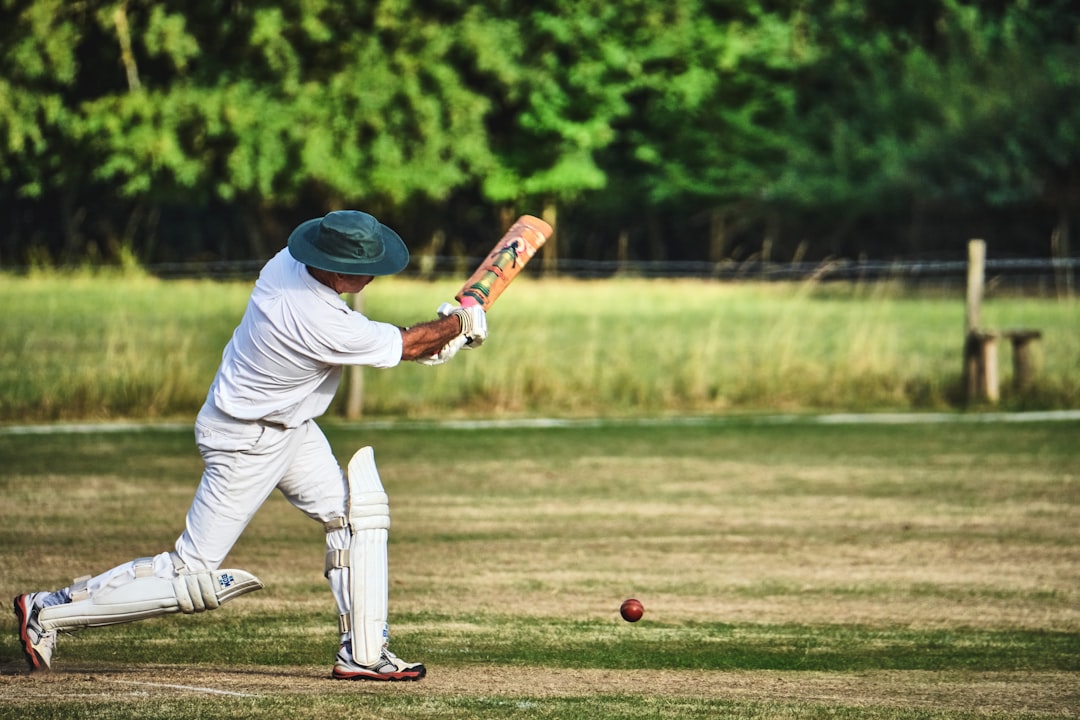
Bowling to a plan also means choosing a length and line for the conditions and the batter’s weaknesses, then backing it up with patience. A seamer might bowl a probing channel just outside off stump, inviting the drive ball after ball until the batter nicks one. A spinner might set up a batter with several stock balls that turn one way before slipping in the one that goes the other. The wicket is often planned several deliveries before it falls.
Setting the Field: Bowling and Fielding as One System
A bowler never operates alone — every delivery is paired with a field placement designed to either take a wicket or restrict scoring. An attacking field for a swing bowler packs the slip cordon and gully to catch the edge; a spinner attacking the outside edge might post a slip and a short leg or silly point to snap up the bat-pad chance. As the bowler shifts from attack to containment, the field spreads to plug the boundaries.
The names and locations of these positions — slip, gully, point, cover, mid-off, mid-on, square leg, fine leg, and the rest — form a language every captain and bowler speaks fluently, and they are worth learning to follow the tactical chess of an innings; our reference on cricket fielding positions explained maps the whole field. The interplay matters most at the end of a limited-overs innings, when batters attack from the first ball and bowlers must combine yorkers, slower balls, and clever field settings to survive. The specialist craft of bowling under that pressure, including how field and delivery are matched ball by ball, is covered in our look at death bowling tactics in T20 cricket.
What to Read Next
Bowling rewards study because every delivery is a small experiment in physics, deception, and nerve. From here, follow the threads that interest you most. If movement through the air fascinates you, start with conventional swing technique and then progress to the darker art of reverse swing. If you want to understand the spinner’s mind, compare the two camps in off-spin versus leg-spin. For the death-overs specialist’s toolkit, work through the slower ball and T20 death bowling tactics. And to read the contest properly, brush up on fielding positions and the LBW law — the two pieces of knowledge that turn watching cricket into reading it.
Related: Reverse Swing Bowling Explained: 8 Technical Insights Every Bowler Should Know
Related: 9 Fundamental Steps to Master Conventional Swing Bowling Technique
Frequently Asked Questions
What defines pace bowling techniques?
Pace bowling relies on high speed, steep bounce, and lateral movement generated by the seam or swing. Bowlers use a strong run‑up, a stiff action, and wrist position to maximise velocity and seam deviation.
How does seam movement affect a delivery?
Seam movement occurs when the ball lands on its raised stitching, causing it to deviate sideways after pitching. The degree of swing depends on seam angle, surface condition, and bowler’s grip, influencing the batter’s timing.
What are the main types of spin bowling?
Spin bowling includes finger spin and wrist spin, each producing different revolutions. Finger spin, used by off‑break and left‑arm orthodox bowlers, relies on finger pressure, while wrist spin, such as leg‑break, uses a flick of the wrist for sharper turn.
How does a bowler vary speed and swing?
A bowler varies speed and swing by adjusting grip pressure, seam orientation, and delivery stride. Faster deliveries use a tighter grip and upright seam, while slower balls employ a looser grip, angled seam, and altered wrist position to enhance swing.