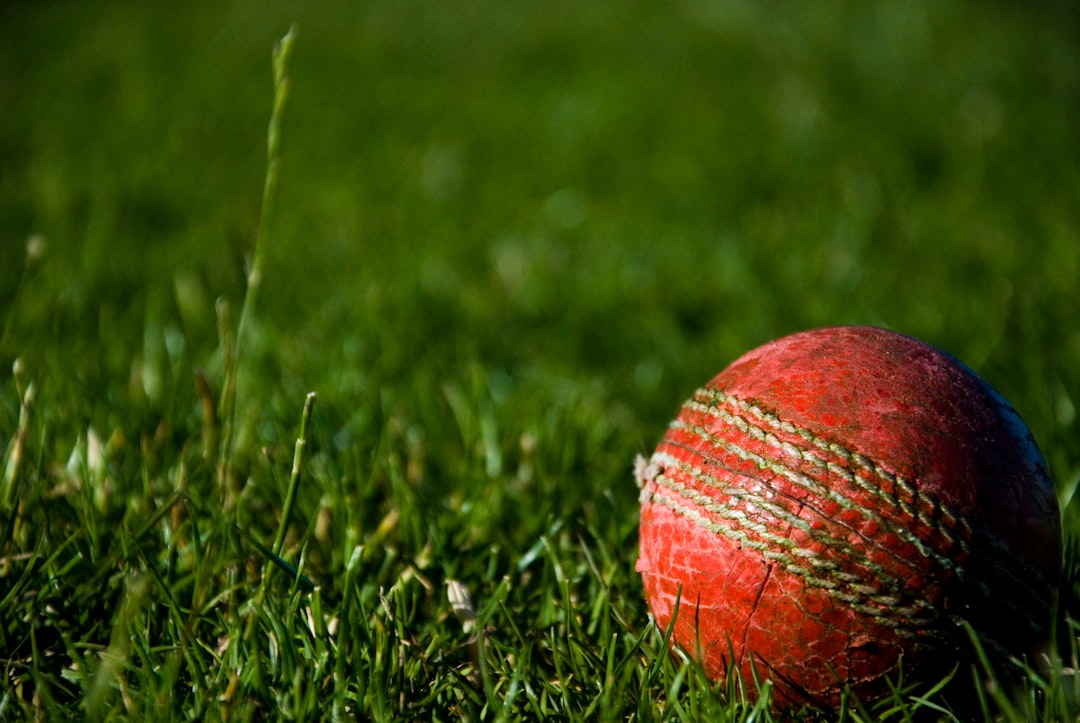
A strip of turf that looks identical from the boundary can play like three different surfaces over the course of a single match, and the people responsible for that transformation are the groundstaff who tend it for weeks beforehand. The pitch — that closely-mown rectangle 22 yards long in the middle of the square — is the one piece of equipment in cricket that neither team controls, and learning to read it separates guesswork from genuine match awareness. Understanding how a pitch is built, and why it changes, explains most of what happens between bat and ball.
What a Pitch Actually Is, and How Groundstaff Build One
A cricket pitch is a rolled bed of soil, bound together by clay content and topped with a layer of grass cut extremely short. The clay matters more than anything else: high-clay soils bind hard and produce pace and bounce, while softer, lower-clay soils tend to break up and assist spin. Groundstaff cannot change the soil under their feet quickly, so the surfaces a region produces are partly a product of local geology — one reason certain parts of the world have long reputations for particular kinds of cricket.
Preparing a pitch for a match is a multi-day process of controlled drying and compaction. The three main levers are:
- Watering — soaking the strip early in the preparation window, then progressively withholding water so the surface firms up as match day approaches.
- Rolling — using heavy rollers to compress the soil, knit the surface together and flatten irregularities, which builds pace and even bounce.
- Grass management — deciding how much live grass to leave on the surface and how short to cut it.
The grass covering is the most visible variable and the one commentators fixate on. A pitch left with a green tinge of living grass holds moisture and binds the top, helping the ball deviate; a pitch shaved bare and baked dry will crumble and turn as the match wears on. None of this happens by accident. Under the Laws of Cricket maintained by the MCC, the pitch may be rolled, mown and swept under defined conditions, and once play begins the scope for further preparation is tightly limited — so most of the decisive work is done before the first ball.
Reading the Surface: Green Seamers, Dry Turners and Flat Decks
Three broad pitch types describe most surfaces, and each rewards a different kind of bowler.
Green, seamer-friendly pitches
A surface with a covering of grass and moisture underneath helps the ball deviate off the seam after pitching and encourages movement through the air. These conditions favour fast and medium-pace bowlers who hit the seam and shape the ball, and they reward batters with tight defensive technique. Grassy, overcast conditions are the natural home of conventional swing bowling, where the lacquer on a newer ball and the moisture in the air combine to move it sideways. Bowlers who can exploit this make full use of the surface; you can see how lateral movement is generated in this complete guide to cricket bowling.

Dry, spinning tracks
A pitch prepared with little grass and allowed to dry hard on top will gradually break up, and as the surface loosens the ball grips and turns. Subcontinental pitches often take spin from early in a match, which is why spin-heavy attacks thrive there. Batting on a turning surface demands precise footwork against spin — getting to the pitch of the ball or going deep in the crease to use the bounce, rather than being caught on the crease. The drier and more abrasive the surface, the more the ball roughens, which also feeds reverse swing later in an innings as one side of the ball scuffs up against the hard, dry ground.
Flat batting tracks
A hard, well-rolled pitch with even bounce and little movement is a flat deck — a batting paradise. The ball comes onto the bat at a consistent height, strokeplay is low-risk, and bowlers must rely on changes of pace, accuracy and patience rather than help from the surface. Big totals are made on these pitches, and they often appear in limited-overs cricket where run-scoring is the priority. Knowing how the surface dictates risk is central to sound batting technique across different pitches.
How a Test Pitch Evolves From Day One to Day Five
The defining feature of a five-day Test pitch is that it is never the same surface twice. The same strip can favour seamers on the first morning, settle into easy batting in the middle, and become a minefield for the side batting last. This evolution is what makes the long format a different sport from the white-ball game.
A typical progression looks like this:
- Day one: Any residual moisture and the freshest grass give the new ball its best chance to seam and swing. The surface is at its most lively for fast bowlers, and the team batting first must survive the early movement.
- Days two and three: The pitch dries and hardens under the sun and the rolling allowed between innings. Movement off the seam fades, the bounce becomes true, and batting is generally at its easiest.
- Days four and five: The surface starts to wear out. Cracks that opened earlier widen, the top crumbles, and the ball behaves unpredictably.
Three features drive that late deterioration. Cracks form as the clay dries and contracts; a ball landing on the edge of a crack can shoot low or fly. Footmarks are the rough patches gouged out by bowlers’ follow-through in their landing zone, just outside a batter’s leg or off stump depending on the angle — spinners deliberately aim into this rough to extract sharp, unpredictable turn. The general wear of a loosening surface means variable bounce, where consecutive balls on the same length behave differently. Batting last on a deteriorating pitch is one of the sternest tests in the game, which is why it has shaped so many of the sport’s defining contests, as the history of Test cricket repeatedly shows.

Winning the Toss and Reading the Conditions
The coin toss matters precisely because the pitch changes. A captain who wins it must predict how the surface will play across the whole match, not just the first session. The classic reasoning runs as follows: if the pitch looks green and is likely to do most for the bowlers early before flattening out, a captain may choose to bowl first, exploit the moisture, then bat when conditions ease. If the pitch is dry and expected to crumble and turn badly later, batting first to post runs before the surface deteriorates is usually the safer call — nobody wants to be batting last on a worn turner.
Reading conditions well means weighing several signals together: the colour and grass cover of the strip, how hard it feels underfoot, the weather forecast, cloud cover and humidity that affect swing, and the balance of the two attacks. Overcast skies can keep a pitch lively for swing even when the surface itself looks benign. Experienced captains and coaches inspect the pitch closely in the days before a match precisely because that first decision can decide the game before a ball is bowled.
How Pitch Behaviour Shapes Team Selection
Because conditions vary so widely, teams rarely field the same eleven everywhere. Selection is a direct response to the surface a team expects to play on.
On a green seamer, a side will typically load up on fast and seam-bowling options, sometimes at the expense of a specialist spinner, and pick batters comfortable against lateral movement. On a dry, turning subcontinental pitch, the balance flips: two or even three spinners may play, and batters who handle spin well are prioritised. On a flat deck, teams look for bowlers who can create something from nothing — genuine pace, accuracy and skills like reverse swing — and for batters who can convert starts into large scores.
This is why touring sides often struggle in unfamiliar conditions: a pace-based attack built for green pitches can look toothless on a turner, while a spin-reliant side can be exposed by seam and bounce. The best teams build squads deep enough to reconfigure for whatever the groundstaff produce, and the best players adapt their technique to the surface rather than imposing one method on every pitch.
What to Read Next
The surface only ever tells half the story — the other half is what bowlers and batters do with it. To go deeper on the skills that exploit each kind of pitch, read the complete guide to cricket bowling and the companion batting technique guide. From there, the specialist breakdowns of footwork against spin and swing bowling show exactly how players turn a pitch’s character to their advantage.
Frequently Asked Questions
How does clay content affect pitch behavior?
Higher clay percentages create a hard, compact surface that offers consistent pace and bounce, while lower clay levels produce softer ground that can deteriorate, aiding spin and producing uneven bounce as the match progresses.
What role does grass length play on a cricket pitch?
Grass is cut extremely short, usually only a few millimetres, to minimise resistance and ensure uniform roll. This thin turf layer allows the underlying clay to dominate bounce, yet still provides enough cover to protect the soil and affect moisture retention.
Why do pitches change during a single match?
During play the pitch endures repeated footfall, ball impact, and varying weather, which compresses the surface, alters moisture levels, and cracks the top layer. These factors collectively cause the turf to behave differently across innings.
How long before a game is a pitch prepared?
Groundstaff typically begin preparation weeks ahead, rolling, watering, and mowing the soil to achieve the desired hardness and moisture. Final adjustments, such as light rolling and cutting the grass, are made a day or two before the match.