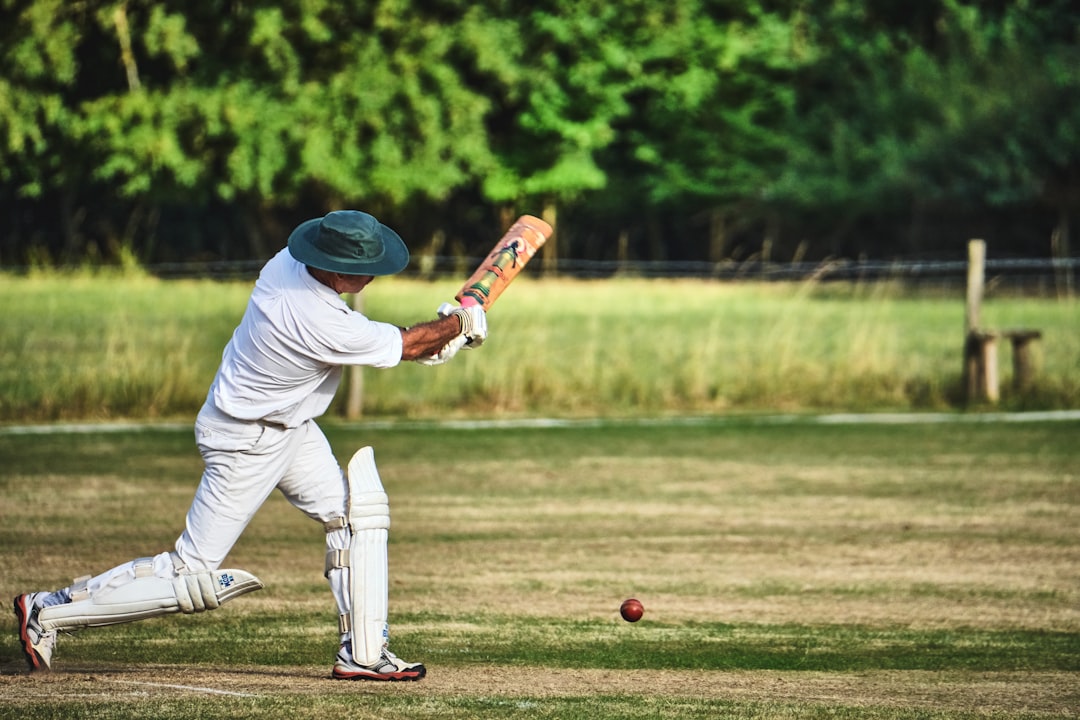
When a ball drifts across the pitch and snaps back sharply, the subtle twist of the fingers often makes the difference between a wicket and a missed opportunity. Understanding the mechanics behind each turn begins with the way a bowler holds the ball, and mastering the range of spin bowling grips and variations opens a repertoire that can confound any batsman.
The journey from a basic off‑spinner’s grip to a leg‑spinner’s flipper is a study in how small adjustments to finger pressure, wrist angle, and release height translate into distinct flight paths. Below, each major grip is broken down, followed by the variations that evolve from the same basic hold.
Fundamental Finger Positions for Off‑Spin Bowlers
Standard Finger‑Spread Grip
The classic off‑spin grip places the seam across the first two fingers, with the thumb resting lightly on the side of the ball. The index finger applies the primary torque, while the middle finger supports the seam. This position encourages a clockwise rotation (from the bowler’s perspective) that causes the ball to turn away from a right‑handed batsman.
Close‑Seam Grip for Extra Turn
By sliding the fingers slightly closer together and aligning the seam with the groove between the index and middle fingers, the ball can grip the pitch more securely. The reduced gap amplifies friction, often resulting in a sharper turn on a dry surface.
Cross‑Seam Grip for Deception
Tilting the ball so the seam runs across the fingers, rather than lengthwise, creates a flight that appears similar to a traditional off‑spinner but lands with a subtle sideways wobble. Batsmen accustomed to the usual seam orientation may misjudge the ball’s bounce.
Core Wrist Techniques for Leg‑Spin Bowlers
Basic Leg‑Spin Grip
A leg‑spinner’s grip mirrors the off‑spinner’s but with the seam perpendicular to the fingers. The ball rests between the first two fingers, and the wrist is cocked outward. The wrist snap at release produces a counter‑clockwise spin, turning the ball sharply from leg to off for a right‑handed batsman.
Flipper Grip for Backspin
To bowl a flipper, the bowler squeezes the ball between the thumb and the first two fingers, then releases it with a forward flick of the wrist. The resulting backspin causes the ball to dip quickly and skid low after pitching, often catching batsmen off balance.
Top‑Spin Variation for Looping Delivery
Holding the ball with the seam upright and imparting a forward roll of the fingers creates topspin. The ball climbs higher in the air, drops steeper, and bounces higher, making a deceptive “loop” that can lure a batsman into a mistimed drive.
Hybrid Grips for Emerging Variations
Carrom Ball Grip
The carrom ball uses a grip where the ball is wedged between the thumb and the bent middle finger, similar to a finger spin in table‑top games. Releasing the ball with a flick of the middle finger generates a subtle spin that can turn either way, depending on the exact finger pressure.
Zooter Grip for Skidding Delivery
In the zooter, the bowler holds the ball lower in the palm, with the seam aligned between the thumb and index finger. A sharp, forward push of the wrist at release produces a flat trajectory and minimal spin, allowing the ball to skid off the pitch with little deviation.
Two‑Finger Slider Grip for Seamless Variation
By placing the ball deeper in the hand and releasing it through the thumb and index finger while keeping the wrist neutral, a bowler can create a delivery that slides off the surface with very little turn but retains enough flight to tempt a drive.
Advanced Release Manipulations for Maximum Effect
Wrist‑Snap Timing
Precise timing of the wrist snap can add a few extra revolutions to any grip. Practising the snap in slow motion helps the bowler feel the point at which the fingers should finish the rotation, ensuring a clean release.
Finger‑Roll Finish
After the initial release, a subtle roll of the index finger can add spin without altering the main grip. This micro‑adjustment is useful for turning a standard off‑spin into a ‘doosra‑like’ variation without changing the bowler’s action.
Variable Release Height
Changing the height of the release—higher for a looping topspinner, lower for a flatter carrom ball—affects the ball’s trajectory and bounce. Consistently practicing release height helps a bowler switch between variations seamlessly during an over.
Practical Drills to Embed Grips and Variations
Shadow Bowling with Focused Grip Repetition
Standing without a ball, a bowler repeats the hand‑position and finger‑pressure motions for each grip. This isolates the muscle memory needed for the subtle shifts between, for example, a standard off‑spin and a close‑seam turn.
Targeted Net Sessions Using One Grip Per Over
During a net practice, a bowler dedicates each over to a single grip, aiming at a specific zone of the pitch. Tracking the success rate of each delivery type reinforces the effectiveness of the grip under realistic conditions.
Video Analysis for Wrist and Finger Alignment
Recording the bowling action from multiple angles allows the bowler to compare wrist angles and finger placements across different deliveries. Identifying inconsistencies helps fine‑tune each variation.
Progressive Pressure Drill
Starting with a light grip, the bowler gradually increases finger pressure while maintaining the same seam orientation. This builds strength and control, ensuring the ball still spins cleanly even under higher pressure.
Key Takeaways for Developing a Versatile Spin Arsenal
Mastering spin bowling grips and variations hinges on three interconnected principles: precise finger placement, controlled wrist action, and consistent release height. By familiarising oneself with the fundamental off‑spin and leg‑spin grips, experimenting with hybrid holds such as the carrom ball or zooter, and embedding these techniques through focused drills, a bowler can expand their repertoire without sacrificing accuracy. The ultimate aim is to present the batsman with a series of deliveries that look identical in the run‑up but behave dramatically differently after pitching, making predictability impossible.
Frequently Asked Questions
What is the most effective grip for turning the ball sharply on a dry pitch?
On a dry surface, the close‑seam grip—where the fingers are positioned tightly together over the seam—maximises friction and usually produces the sharpest turn.
Can the same grip be used for both an off‑spin and a doosra?
While the core grip remains similar, a doosra requires a subtle roll of the fingers at release and a slightly different wrist position to invert the spin direction.
How does a bowler avoid giving away clues when switching between variations?
Maintaining a consistent run‑up, arm speed, and release point helps conceal the underlying grip changes, making it harder for the batsman to anticipate the next ball’s behaviour.
Is a wrist snap more important than finger pressure for generating spin?
Both elements are vital; the wrist snap adds revolutions, while finger pressure determines the direction and stability of the spin. Effective spin bowling balances the two.
What drill best improves the consistency of a flipper delivery?
Practising the flipper in short, focused overs, concentrating on the thumb‑finger squeeze and the forward wrist flick, while using video feedback, yields steady improvement in both accuracy and backspin.
Frequently Asked Questions
What is the most effective grip for turning the ball sharply on a dry pitch?
On a dry surface, the close‑seam grip—where the fingers are positioned tightly together over the seam—maximises friction and usually produces the sharpest turn.
Can the same grip be used for both an off‑spin and a doosra?
While the core grip remains similar, a doosra requires a subtle roll of the fingers at release and a slightly different wrist position to invert the spin direction.
How does a bowler avoid giving away clues when switching between variations?
Maintaining a consistent run‑up, arm speed, and release point helps conceal the underlying grip changes, making it harder for the batsman to anticipate the next ball’s behaviour.
Is a wrist snap more important than finger pressure for generating spin?
Both elements are vital; the wrist snap adds revolutions, while finger pressure determines the direction and stability of the spin. Effective spin bowling balances the two.
What drill best improves the consistency of a flipper delivery?
Practising the flipper in short, focused overs, concentrating on the thumb‑finger squeeze and the forward wrist flick, while using video feedback, yields steady improvement in both accuracy and backspin.