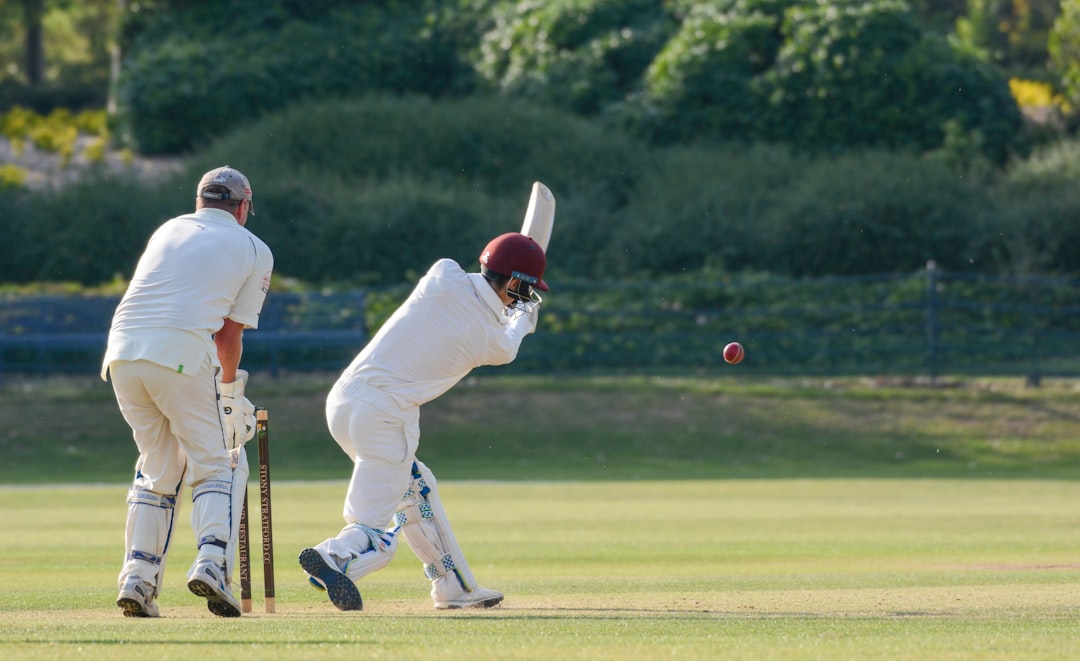
A ball beats the outside edge, slips past the wicketkeeper’s gloves, and the batters scamper through for a single. No bat was involved, yet the total ticks over. That run is a bye, and its cousin — the leg bye, deflected off pad or body — quietly shapes more scorecards than most spectators realise. Together they sit in the extras column, unclaimed by any batter, and they tell an attentive reader a surprising amount about how tidily a fielding side is operating.
What Separates a Bye From a Leg Bye
Both are governed by Law 23 of the Laws of Cricket, which bundles them into a single law precisely because they behave so similarly. The distinction is contact. A bye is scored when the ball passes the striker without touching bat or body and the batters run anyway, or the ball reaches the boundary. A leg bye requires the ball to strike the striker’s body — usually the pad, sometimes the thigh guard, glove hand off the bat handle excluded — before the runs are taken.
There is a crucial condition attached to leg byes that casual viewers often miss. The umpire must be satisfied that the striker either attempted to play a genuine shot or was taking evasive action to avoid being hit. A batter who simply pads the ball away with no stroke offered earns nothing: the umpire signals dead ball once the fielders have finished, and any runs attempted are wiped off. This is why a batter kicking away a leg-spinner pitching outside leg stump cannot profit from the deflection.
How the Umpire Signals Each One
The two extras carry distinct signals, and learning them transforms how quickly a spectator can read a passage of play. For a bye, the umpire raises an open hand above the head. For a leg bye, the umpire touches a raised knee with one hand. Both signals are made to the scorers only after the ball is dead, which is why there can be a short delay between the run being completed and the signal appearing. A fuller tour of the standing umpire’s repertoire is covered in this guide to cricket umpire signals and what each one means.
Scorers then record the runs in the extras line, not against the striker. That matters for the game’s bookkeeping in two ways. First, the striker’s individual score and balls faced are unaffected — a four byes boundary adds nothing to a batter’s tally. Second, the bowler is not debited either: byes and leg byes do not count against the bowler’s analysis, unlike wides and no-balls. Anyone learning how a cricket scorecard fits together will notice that the extras row is effectively split between charges against the bowler and charges against the fielding unit as a whole.
Who Really Pays for Them
Informally, byes are laid at the wicketkeeper’s door. A Test keeper who concedes very few byes across long innings is doing enormous unseen work, especially standing up to spin on a turning pitch, where the ball can rip past the outside edge and change direction late. Keepers’ bye counts are routinely quoted in match reports for exactly this reason, and a clean sheet across a 500-run innings is regarded within the game as a mark of elite glovework.
Leg byes are different: nobody is blamed, because the deflection off the pad is usually the outcome of a good delivery hitting a batter in line. Bowlers privately dislike them all the same. A ball that beats the inside edge and clips the pad fine for four leg byes has done almost everything right and still cost four. In tight limited-overs finishes those increments matter — a scrambled leg bye off the final ball has settled many a chase, which is one reason teams drill their running between the wickets so obsessively.
Edge Cases Worth Knowing
A few situations catch even seasoned watchers out:
- Byes off a wide: if a wide also evades the keeper and runs away, the additional runs are recorded as wides, not byes — the wide takes precedence.
- Leg byes off the helmet: deflections off the striker’s helmet count as leg byes, provided the shot-or-evasion condition is met.
- No shot offered: no leg byes may be scored, but the batters can still be run out attempting them, and an LBW appeal remains very much alive — padding up carries real risk, as the LBW law’s treatment of batters offering no stroke makes clear.
- Overthrows: byes and leg byes can be extended by wild throws, with the extra runs added to the same category as the original deflection.
One more subtlety: leg byes count as runs scored off the delivery for the purposes of the over’s progression, but not for the batter’s strike rate. A batter can face a full over, take three leg byes, and finish with a strike rate untouched.
Why the Extras Column Rewards Attention
Extras rarely make highlight reels, yet they are one of the most honest lines on a scorecard. A fielding side leaking twenty-plus byes and leg byes across an innings is signalling something — a keeper struggling with bounce, bowlers repeatedly missing their line into the pads, or a captain slow to post a fine leg. Reading that line alongside the bowling figures gives a truer picture of a day’s play than the batting card alone. The next time a total ends in an awkward number that no batter seems to account for, the answer is usually hiding in Law 23’s quiet contribution.
Related: Reverse Swing Bowling Explained: 8 Technical Insights Every Bowler Should Know
Frequently Asked Questions
What is a bye in cricket?
A bye is recorded when the ball passes the striker without contacting bat or body, and the batters successfully run or the ball reaches the boundary, adding runs to the extras column.
How are leg byes awarded?
Leg byes are given when the ball strikes the striker’s body—typically the pad or thigh guard—without touching the bat, and the batters run, provided the umpire judges that the striker attempted to play the ball or evaded it.
When can a bye count as a boundary?
A bye counts as a boundary when the delivery reaches the fence or rope after bypassing the batter, allowing the fielding side no chance to retrieve it, and the batting side is automatically awarded four runs.
What condition must be met for leg byes?
For leg byes to be valid, the umpire must be convinced that the striker either attempted a legitimate shot or tried to avoid the ball, ensuring that runs are not taken from a purely accidental deflection.