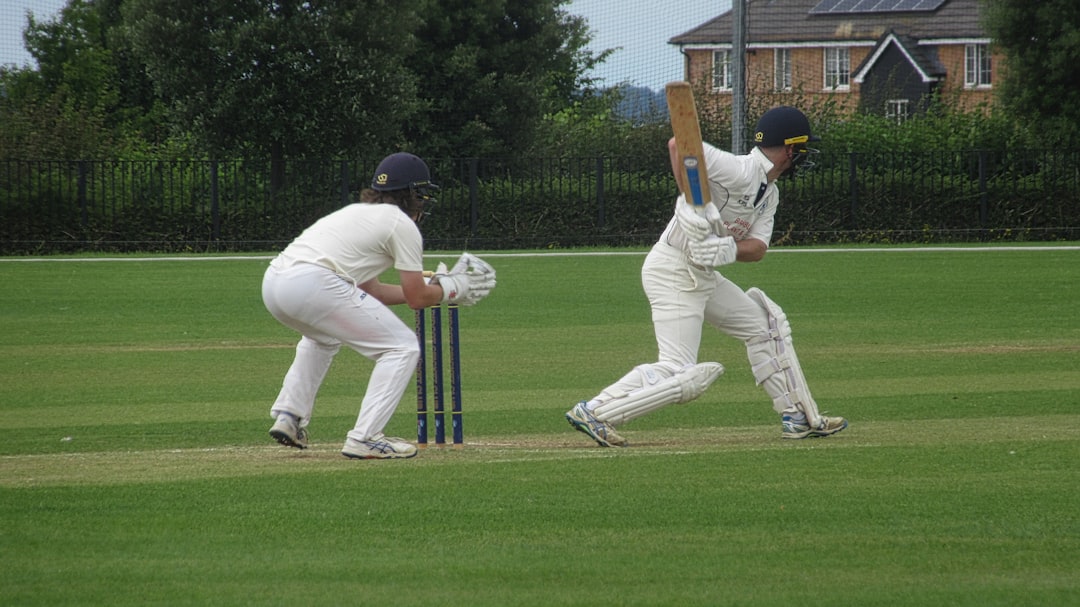
When the umpire signals “run,” the distance between the wickets instantaneously becomes a battlefield of split‑second decisions. A well‑timed sprint can turn a modest two runs into a game‑changing total, while a hesitation can hand the fielding side a cheap dismissal. Mastering the nuances of this movement is as vital as mastering any shot, and the running between the wickets fundamentals shape a batsman’s ability to convert opportunities into runs.
Every professional cricketer knows that running is not merely about speed; it is a coordinated exercise of perception, communication, and technique. By breaking the process into clear, repeatable practices, players can embed consistency into what might otherwise be a chaotic reaction to each ball.
Coordinated Starts: The First Step to Effective Running
Reading the bowler’s release
Before the ball even reaches the batsman’s bat, the eyes must lock onto the bowler’s hand and the point of release. This visual cue provides the earliest indication of potential run‑scoring chances, especially for deliveries that are short of a good length or swing away from the intended line. Recognising these cues allows the striker to prepare mentally for a possible sprint, reducing the reaction time once contact is made.
Communicating with the non‑striker
Clear, concise calls are the backbone of successful running. A simple “yes,” “no,” or “wait” spoken in a consistent tone eliminates ambiguity. The non‑striker should repeat the call back, confirming receipt. This verbal loop, practiced repeatedly in training, prevents mis‑communication that could lead to a run‑out.
Judicious Placement: Deciding When to Run
Assessing fielding distance
Fielders’ positions dictate the feasibility of a run. If a fielder is positioned deep and appears slower to react, a quick single becomes viable. Conversely, a close‑in fielder or a well‑placed slip demands greater caution. Batsmen develop an instinct for judging the distance by observing the fielder’s body language and the time taken to collect the ball.
Understanding the risk‑reward balance
Each run carries inherent risk. The decision to attempt a second run, for instance, should weigh the probability of a misfield against the current match situation. In low‑pressure scenarios, a batsman may opt for a safer single, while high‑pressure moments, such as a tight chase, might justify a bolder attempt. This strategic evaluation is a core component of the running between the wickets fundamentals.
Timing and Footwork: Synchronising the Sprint
First‑step foot placement
The first stride sets the rhythm of the entire run. The striker’s front foot should land just outside the crease, providing a firm push‑off point. Simultaneously, the non‑striker’s back foot must be ready to lift, ensuring both batsmen propel forward in unison. Practising this coordinated foot placement reduces the chance of stumbling or lagging.

Mid‑run acceleration
After the initial push, both batsmen must sustain acceleration without over‑striding. Maintaining a short, quick stride length conserves energy and maintains balance, especially on uneven or grassy pitches. Coaches often use sprint drills that focus on rapid turnover rather than sheer speed to embed this habit.
Turning the Single into a Double: Techniques for Extra Runs
Driving the ball for a quick single
When a batsman drives the ball into a gap, the speed of the bat’s follow‑through can create a momentary lull for the fielding side. By completing the stroke with a crisp, forward swing, the batsman gives the non‑striker a clear visual cue to sprint immediately. The timing of this cue, aligned with the ball’s flight, is essential for converting a safe single into extra runs.
Calling for a quick turn
After the initial single, the striker may signal a “quick turn” for a second run. This call is usually a brief “yes” or a tap of the bat on the shoulder. The key is that both players have already begun moving, allowing the second run to be executed with minimal delay. Practising this rapid exchange during net sessions helps the pair develop a seamless rhythm.
Mental Reset: Regaining Focus After a Run
Breathing and positioning
Physical exertion can disrupt a batsman’s concentration. Taking a controlled breath and returning to a balanced stance at the crease restores focus. This brief pause also allows the batsman to re‑assess the fielding arrangement before the next delivery.
Preparation for the next delivery
During the brief interval after completing a run, the batsman should visualise the upcoming ball, recalling the bowler’s typical line and length. This mental rehearsal, combined with a steady grip on the bat, primes the batsman for the next encounter and minimizes the chance of a sloppy return to the crease.
Key Takeaways for Batsmen Seeking Faster Scoring
Effective running between the wickets hinges on three pillars: precise visual cues, synchronized communication, and disciplined footwork. By internalising the fundamentals, a batsman can transform modest singles into valuable doubles, maintain momentum throughout an innings, and reduce the risk of avoidable run‑outs. Consistent practice of these habits, integrated into regular training drills, ensures that sprinting between the wickets becomes as instinctive as any shot selection.
Frequently Asked Questions
How can a batsman improve communication with the non‑striker?
Regular practice of simple, consistent calls during net sessions builds a shared language. Repeating the same words (“yes,” “no,” “wait”) and confirming each call back creates habit and reduces hesitation during matches.
What foot placement is optimal for the first stride?
The striker’s front foot should land just outside the popping crease, providing a solid push‑off, while the non‑striker’s back foot prepares to lift. This alignment ensures both players move forward together from the start.
When should a batsman attempt a second run?
A second run is justified when the fielders are clearly out of position, the ball is far from the stumps, and the match context supports a higher risk. The decision balances fielding distance, the current score, and the number of wickets in hand.
Can a batsman use body language to signal a run?
Yes, a subtle tap on the bat or a quick glance can serve as a non‑verbal cue, provided both batsmen have practiced the signal. However, spoken calls are generally more reliable, especially in noisy environments.
How does mental reset affect subsequent deliveries?
Taking a breath, re‑establishing a balanced stance, and visualising the next ball help the batsman maintain focus and respond more effectively to the bowler, reducing the likelihood of a careless return to the crease.
Frequently Asked Questions
How can a batsman improve communication with the non‑striker?
Regular practice of simple, consistent calls during net sessions builds a shared language. Repeating the same words (“yes,” “no,” “wait”) and confirming each call back creates habit and reduces hesitation during matches.
What foot placement is optimal for the first stride?
The striker’s front foot should land just outside the popping crease, providing a solid push‑off, while the non‑striker’s back foot prepares to lift. This alignment ensures both players move forward together from the start.
When should a batsman attempt a second run?
A second run is justified when the fielders are clearly out of position, the ball is far from the stumps, and the match context supports a higher risk. The decision balances fielding distance, the current score, and the number of wickets in hand.
Can a batsman use body language to signal a run?
Yes, a subtle tap on the bat or a quick glance can serve as a non‑verbal cue, provided both batsmen have practiced the signal. However, spoken calls are generally more reliable, especially in noisy environments.
How does mental reset affect subsequent deliveries?
Taking a breath, re‑establishing a balanced stance, and visualising the next ball help the batsman maintain focus and respond more effectively to the bowler, reducing the likelihood of a careless return to the crease.