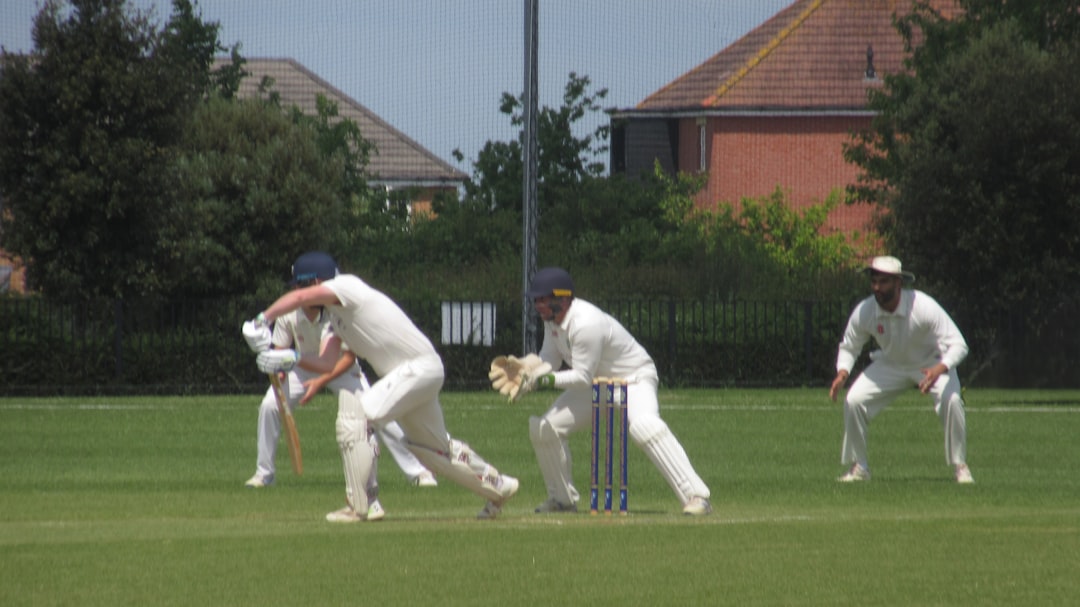
When a top‑order batsman walks out to the middle of a Test ground after a day’s rain, the pressure to survive the new ball is immediate and palpable. The first few overs set the rhythm for the entire innings, and every decision – from shot selection to partnership rotation – contributes to the larger objective of constructing a meaningful total.
Understanding How to build a Test match innings requires more than raw technique; it demands a strategic mindset that balances risk, patience, and the evolving match situation. The following analytical steps break down that process into clear, actionable phases for any batsman aiming to turn a solid start into a marathon effort.
Assess the Pitch and Conditions Before the First Delivery
Read the surface and identify the dominant bowler
Before the first ball is bowled, the batsman should examine the wicket’s moisture, grass cover, and hardness. A damp pitch favors swing, while a cracked surface aids seam movement. Identifying the bowler who will start the spell helps the batsman anticipate length and line, allowing a proactive stance rather than a reactive one.
Adjust the grip and stance to suit the early movement
On a swinging pitch, a slightly wider stance and a grip that encourages a slightly closed bat face can help keep the ball inside the line of the bat. Conversely, on a seaming track, a more upright posture with the head still over the stumps aids balance against short, skidding deliveries.
Establish a Safe Opening Partnership
Prioritise leaving deliveries outside off stump
The primary goal of the opening phase is not to score heavily but to preserve wickets. Batting with soft hands and keeping the bat close to the pad for deliveries outside off stump reduces the chance of edging to slips. This disciplined approach builds confidence and fatigue for the bowlers.
Rotate the strike deliberately
Even when runs are scarce, rotating the strike forces the fielding side to maintain a tight line and prevents a single bowler from dominating the innings. A well‑timed single, especially after a short ball, disrupts the bowler’s rhythm and opens opportunities for the next over.
Consolidate With a Middle‑Order Anchor
Shift focus to building innings milestones
Once the ball loses its shine, the emphasis can shift from survival to accumulation. Setting personal milestones – such as reaching fifty before a scheduled tea break – provides a mental checkpoint that encourages measured aggression without compromising the innings’ foundation.
Exploit gaps in the field
Mid‑innings, bowlers often settle into a consistent line, creating predictable gaps. By playing the ball late and directing it into these spaces, the batsman can increase the run rate while keeping the risk of a mishit low. This method also stretches the field, creating opportunities for future boundaries.

Accelerate Towards the Final Stages
Identify the optimal time for aggression
When the partnership has settled and the bowlers appear fatigued, the batsman can begin to target scoring opportunities more aggressively. Identifying a bowler’s reduced pace or a fielding side’s complacency signals the right moment to transition into a more attacking stance.
Maintain composure under pressure
Even as the required run rate climbs, the batsman must avoid reckless shot‑making. Maintaining a clear head ensures that each boundary is purposeful, supporting the team’s overall target rather than jeopardizing the innings with unnecessary risk.
Adapt to Changing Match Situations
Respond to wicket falls and new partnerships
Each wicket alters the equilibrium of the innings. The incoming batsman should assess the current score, remaining overs, and the state of the pitch before deciding whether to adopt a defensive or attacking mindset. A flexible approach prevents the innings from stalling after key dismissals.
Utilise the day’s conditions for strategic planning
Factors such as fading light, wind changes, or a deteriorating surface demand real‑time adjustments. Batsmen who can read these subtleties and modify their tactics – for instance, playing more with the spin of the ball as the pitch cracks – are better equipped to sustain long innings.
Key Takeaways for Batsmen
Building a Test match innings is a layered process that begins with careful observation of the pitch, proceeds through disciplined partnership work, and culminates in a strategic surge at the right moment. The nine analytical steps outlined above emphasize the need for patience, adaptability, and tactical awareness. By internalising these principles, any batsman can transform a tentative start into a resilient, high‑scoring effort that underpins the team’s success.
Frequently Asked Questions
What mental habits help a batsman stay focused during a long innings?
Developing a routine between deliveries, such as a brief visual reset or a specific breathing pattern, anchors concentration. Breaking the innings into smaller targets – for example, focusing on reaching each fifty – also prevents the mental fatigue that can arise from thinking about the overall total.
How can a batsman decide when to transition from defense to offense?
The cue often comes from the bowler’s diminished pace, a field that has become less aggressive, or a partnership that has already accumulated a solid foundation. Recognising these signs allows the batsman to increase the strike rate without exposing the wicket unnecessarily.
Is it better to play with a straight bat or to employ a more horizontal swing early in the innings?
During the early phases when the ball is likely to swing or seam, a straight bat offers better control and reduces the chance of edging. A horizontal swing becomes viable once the ball’s movement has settled and the batsman feels comfortable placing the bat behind the line of the ball.
How does a batsman handle a deteriorating pitch on the final day?
As the surface breaks down, the ball may bounce unevenly and turn sharply. Adjusting the stance to a slightly more upright position, using the bat’s face to play through the line, and focusing on soft‑handed shot execution help mitigate the increased risk.
What role does partner communication play in building a Test innings?
Clear, concise communication about running between the wickets, assessing bowlers, and planning strategic moments ensures both batsmen stay aligned. This teamwork reduces mis‑runs and builds confidence, allowing the partnership to grow steadily.
Frequently Asked Questions
What mental habits help a batsman stay focused during a long innings?
Developing a routine between deliveries, such as a brief visual reset or a specific breathing pattern, anchors concentration. Breaking the innings into smaller targets – for example, focusing on reaching each fifty – also prevents the mental fatigue that can arise from thinking about the overall total.
How can a batsman decide when to transition from defense to offense?
The cue often comes from the bowler’s diminished pace, a field that has become less aggressive, or a partnership that has already accumulated a solid foundation. Recognising these signs allows the batsman to increase the strike rate without exposing the wicket unnecessarily.
Is it better to play with a straight bat or to employ a more horizontal swing early in the innings?
During the early phases when the ball is likely to swing or seam, a straight bat offers better control and reduces the chance of edging. A horizontal swing becomes viable once the ball’s movement has settled and the batsman feels comfortable placing the bat behind the line of the ball.
How does a batsman handle a deteriorating pitch on the final day?
As the surface breaks down, the ball may bounce unevenly and turn sharply. Adjusting the stance to a slightly more upright position, using the bat’s face to play through the line, and focusing on soft‑handed shot execution help mitigate the increased risk.
What role does partner communication play in building a Test innings?
Clear, concise communication about running between the wickets, assessing bowlers, and planning strategic moments ensures both batsmen stay aligned. This teamwork reduces mis‑runs and builds confidence, allowing the partnership to grow steadily.