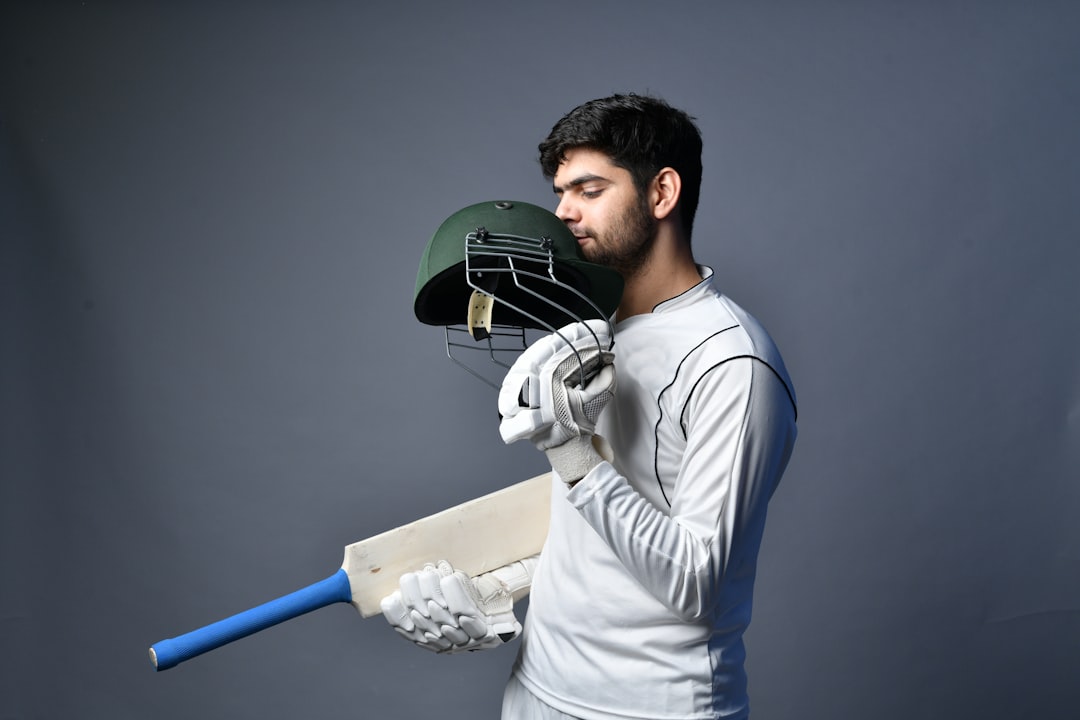
Imagine a low‑light evening at a historic ground, the bowler runs in, and the ball skids just a centimetre wide of the stumps. In that split second, the keeper’s gloved hand and the bat poised for a quick single determine whether the opposition capitalises on a breakthrough. Understanding The role of a wicketkeeper‑batsman therefore means examining a unique blend of reflexes, technique, and tactical awareness that shapes modern cricket.
While the traditional image of a keeper focuses on catching and stumping, today’s teams demand a player who can also anchor innings, rotate the strike, and accelerate when required. This dual responsibility influences selection, training regimes, and on‑field strategies, creating a specialized skill set that distinguishes the wicketkeeper‑batsman from other specialists.
Balancing Glove Work and Batting Responsibility
Prioritising Concentration Behind the Stumps
During an innings, a keeper must maintain unwavering focus, reacting to every delivery regardless of the batting situation. The mental discipline required to anticipate edges, adjust positioning for varying pitch conditions, and coordinate with bowlers directly affects dismissal chances. Consistent concentration also protects against missed opportunities that could shift momentum.
Adapting Batting Technique to Match Situations
When it’s the keeper’s turn to bat, the context often dictates the approach. In low‑scoring games, preserving wickets and building partnerships become paramount, while in high‑scoring encounters, the ability to find gaps and increase the run rate is valued. Mastery of both defensive and aggressive strokes enables the keeper‑batsman to fulfil the team’s immediate needs without compromising the overall game plan.
Managing Workload Across Formats
Different formats impose distinct physical and mental demands. In Test cricket, endurance and patience dominate, requiring the keeper to endure long sessions behind the stumps and potentially occupy the crease for extended periods. In limited‑overs cricket, the emphasis shifts to explosive batting and rapid reflexes, demanding a higher intensity over shorter bursts. Successful players tailor their training to sustain performance across these varied expectations.
Physical Demands and Skill Development
Core Strength and Flexibility for Glove Work
Effective catching and quick footwork rely on core stability and lower‑body flexibility. Regular conditioning exercises, such as plyometrics and yoga, enhance the keeper’s ability to dive, change direction, and recover swiftly after each catch. This physical foundation reduces injury risk and maintains agility throughout long innings.
Batting Mechanics Tailored to a Dual Role
Because a keeper often bats lower in the order, they must excel at playing the ball late and using soft hands to guide deliveries into gaps. Emphasising a compact swing, sound foot placement, and wrist control helps generate power without sacrificing timing. Simultaneous training for both disciplines ensures that improvements in one area do not compromise the other.

Recovery Strategies Between Sessions
Intensive wicketkeeping saps energy quickly, making effective recovery essential. Hydration, targeted stretching, and brief mental resets between overs preserve focus. Teams increasingly incorporate sports‑science protocols—such as ice baths and compression garments—to accelerate muscle recovery, allowing keepers to sustain peak performance across multiple days of play.
Strategic Impact on Team Composition
Offering Balance in the Batting Line‑up
Including a competent wicketkeeper‑batsman grants a side the flexibility to add an extra specialist bowler or an all‑rounder without weakening the batting depth. This balance is especially valuable in limited‑overs formats, where teams aim to maximise both the bowling attack and the run‑scoring potential within a fixed number of overs.
Enhancing Field Placements and Bowling Plans
A keeper’s close view of the batsman’s stance and movement provides immediate feedback to the bowler. Communicating subtle adjustments—such as changing line to target a bat’s outside edge—enables bowlers to exploit weaknesses more efficiently. This real‑time dialogue often results in tighter field settings and increased wicket‑taking opportunities.
Fostering Leadership from Behind the Stumps
Because the keeper is involved in every delivery, they naturally evolve into on‑field strategists. Guiding younger bowlers, organising field changes, and maintaining team morale are responsibilities that extend beyond pure skill execution. Many captains have emerged from the wicketkeeper‑batsman role, illustrating its inherent leadership potential.
Evolution of Expectations in Modern Cricket
From Specialist Keeper to Dual‑Specialist
Historical cricket placed primary emphasis on safe hands and stump‑removal. Over the past decades, the rise of limited‑overs cricket accelerated the demand for keepers who could contribute significantly with the bat. This shift redefined selection criteria, making batting proficiency a non‑negotiable attribute for aspiring keepers.
Technological Advancements Shaping Training
High‑speed cameras, biomechanical analysis, and virtual reality simulations now assist keepers in refining both glove work and batting technique. Detailed feedback on hand positioning, reaction times, and shot selection allows players to make data‑driven adjustments, reducing reliance on trial‑and‑error approaches.
Adaptation to Diverse Pitch Conditions
Modern tours expose teams to a spectrum of surfaces—from turning sub‑continental tracks to seaming English pitches. A versatile keeper‑batsman must adjust not only catching techniques but also batting strategies to suit each environment. Mastery of back‑foot play on slow wickets and rapid footwork on fast pitches exemplifies this adaptability.
Leadership and Communication from Behind the Stumps
Orchestrating Bowler Confidence
By offering encouragement and tactical insights, a keeper can boost a bowler’s confidence, especially during challenging spells. Positive reinforcement after a missed line or a well‑executed delivery helps maintain composure and encourages risk‑taking when appropriate.
Coordinating Field Adjustments
Rapid changes in match momentum often require immediate field repositioning. The keeper, positioned centrally, can convey captain’s instructions swiftly, ensuring that fielders adjust without delay. Effective communication reduces hesitation and maximises the impact of strategic shifts.
Mentoring Emerging Talent
Young wicketkeepers benefit from observing seasoned peers. Sharing routines for glove drills, batting preparation, and mental conditioning accelerates development. Such mentorship fosters a pipeline of capable keeper‑batsmen who can sustain a team’s competitive edge over time.
Key Takeaways for Aspiring Wicketkeeper‑Batsmen
Mastering The role of a wicketkeeper‑batsman hinges on harmonising two demanding disciplines. Prioritising concentration behind the stumps, cultivating versatile batting techniques, and investing in targeted physical conditioning form the core foundation. Strategic awareness—through communication, leadership, and adaptability—elevates a keeper from a reliable fielder to a pivotal match influencer. As cricket continues to evolve, those who seamlessly blend glove work with batting prowess will remain indispensable assets across formats.
Frequently Asked Questions
What physical attributes are most crucial for a wicketkeeper‑batsman?
Core strength, lower‑body flexibility, and quick reflexes are essential. These qualities support sharp catching, agile footwork, and the ability to generate power in the bat without sacrificing timing.
How does a keeper‑batsman influence a team’s batting order?
By providing a reliable batting option lower in the line‑up, the keeper allows a side to include an extra specialist bowler or all‑rounder, creating a more balanced side without compromising depth.
Can a wicketkeeper excel in both Test and limited‑overs cricket?
Yes, but it requires tailored training. Test cricket demands endurance and patience, while limited‑overs games emphasise explosive batting and rapid reflexes. Managing workload and recovery is key to sustaining performance in both formats.
Why is communication from the keeper important to bowlers?
The keeper observes the batsman’s stance and shot selection from a unique angle. Sharing observations helps bowlers adjust line and length in real time, increasing the likelihood of wickets.
How has technology changed wicketkeeping training?
Video analysis, biomechanical feedback, and virtual simulations allow keepers to fine‑tune hand positioning, reaction speed, and batting mechanics with precision, leading to more efficient skill development.
Frequently Asked Questions
What physical attributes are most crucial for a wicketkeeper‑batsman?
Core strength, lower‑body flexibility, and quick reflexes are essential. These qualities support sharp catching, agile footwork, and the ability to generate power in the bat without sacrificing timing.
How does a keeper‑batsman influence a team's batting order?
By providing a reliable batting option lower in the line‑up, the keeper allows a side to include an extra specialist bowler or all‑rounder, creating a more balanced side without compromising depth.
Can a wicketkeeper excel in both Test and limited‑overs cricket?
Yes, but it requires tailored training. Test cricket demands endurance and patience, while limited‑overs games emphasise explosive batting and rapid reflexes. Managing workload and recovery is key to sustaining performance in both formats.
Why is communication from the keeper important to bowlers?
The keeper observes the batsman's stance and shot selection from a unique angle. Sharing observations helps bowlers adjust line and length in real time, increasing the likelihood of wickets.
How has technology changed wicketkeeping training?
Video analysis, biomechanical feedback, and virtual simulations allow keepers to fine‑tune hand positioning, reaction speed, and batting mechanics with precision, leading to more efficient skill development.