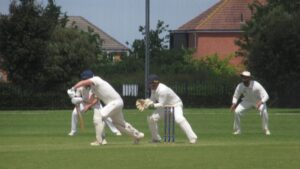
When the ball left the hand of a right‑handed wrist spinner and turned sharply from outside leg to hit the off‑stump, the stadium erupted in disbelief. That moment, repeated countless times on the world stage, epitomises the blend of physics and craft that makes leg‑spin a unique weapon in cricket. Understanding Shane Warne and the art of leg‑spin offers a window into how a single bowler transformed a fading discipline into a game‑changing force.
The journey began in the early 1990s, when Warne’s prodigious turn and uncanny control reshaped expectations of what a spinner could achieve. His legacy is not merely a ledger of wickets; it is a compendium of technical refinements, psychological tactics, and strategic innovations that continue to inform coaching curricula and the development pathways of emerging spinners.
Technical Foundations of Leg‑Spin Mastery
Wrist Position and Release Mechanics
Leg‑spin relies on a precise wrist snap at the point of release. The bowler must align the palm sideways, using the third finger to impart spin while the thumb provides stability. This combination creates a clockwise rotation (for a right‑hander) that causes the ball to drift in the air before pitching sharply. Warne’s wrist action was notable for its fluidity; he maintained a relaxed forearm while generating high revolutions, allowing the ball to spin later than most contemporaries.
Flight, Drift, and Pace Variation
Effective leg‑spin is as much about deception in the air as about turn off the pitch. By varying the trajectory—lofted flight versus a flatter delivery—a bowler can manipulate the batsman’s timing. The side spin creates a lateral drift toward the leg side, while the seam position influences the amount of bounce after pitching. Warne exploited these nuances, often delivering a slower, higher‑looped ball to tempt a forward drive before unleashing a quicker, flatter delivery that spun sharply.
Grip Adjustments for Specialized Deliveries
Beyond the classic leg break, a skilled leg spinner develops a repertoire that includes the googly, top‑spinner, and flipper. Each variation stems from subtle changes in grip: turning the wrist outward for a googly, rolling the fingers over the seam for a top‑spinner, and flicking the ball with a backward wrist motion for a flipper. Warne’s mastery of these tools enabled him to keep batsmen guessing, especially on turning tracks.
Psychological Elements That Shaped Warne’s Approach
Reading the Batsman’s Intentions
Warne’s ability to anticipate a batsman’s shot selection stemmed from attentive observation of foot movement and bat angle. By positioning himself outside the leg stump, he forced the batsman into a constrained line, making it easier to predict whether a drive, sweep, or defensive stroke was likely. This foresight allowed him to select the appropriate variation—leg break for a defensive approach, googly for an aggressive advance.

Confidence and the Power of Repetition
Confidence in leg‑spin grows from repeated success. Warne cultivated a mental routine that involved visualising the ball’s turn before each delivery, reinforcing a sense of control. This mental rehearsal translated into consistent execution, which in turn fortified his self‑belief, creating a feedback loop that elevated his performance under pressure.
Strategic Patience and Building Pressure
Leg‑spin often succeeds by building subtle pressure rather than delivering outright wickets on every ball. Warne would bowl a series of tight, spinning deliveries, inviting the batsman to chase runs. When impatience set in, he introduced a surprise variation, capitalising on the batsman’s compromised technique. The cumulative effect of this approach often forced errors, leading to catches or mis‑hits.
Tactical Applications Across Cricket Formats
Test Match Strategies and Long‑Form Persistence
In the five‑day format, leg‑spin thrives on pitch deterioration. Warne’s strategy involved exploiting the rough patches that develop on the footmarks, using a flatter trajectory early in the innings to conserve energy and gradually increasing flight later as the surface offered more grip. By bowling long spells, he maintained a rhythm that disrupted the batsman’s timing and contributed to breakthrough wickets.
Limited‑Overs Adaptations and Containment
One‑day and Twenty20 matches demand a balance between wicket‑taking aggression and run containment. Warne adapted by employing a tighter line and a flatter arm ball, reducing the amount of flight while still generating surprise turn. The flipper, with its lower bounce, became a valuable tool for breaking partnerships in the death overs, offering a low‑risk yet high‑reward option.
Field Placement and Defensive Set‑ups
The effectiveness of leg‑spin is amplified by strategic field placements. Common configurations include a slip for edges, a short leg for inside edges, and a deep mid‑wicket for mistimed sweeps. Warne’s captains often positioned a slip and a gully early on, shifting to a leg‑side ring as the ball turned more sharply, thereby tightening the catch‑opportunity net around the batsman.
Legacy and Influence on Modern Spin Development
Coaching Paradigms and Technical Transmission
Following Warne’s era, coaching curricula worldwide incorporated his wrist‑position drills and flight‑control exercises. Academy programs now emphasize video analysis of his release, allowing young spinners to mimic the kinetic chain that produces high revolutions. This systematic teaching has created a new generation of leg spinners equipped with a deeper technical understanding.
Evolution of Leg‑Spin After Warne’s Peak
Post‑Warne cricket has witnessed a resurgence of leg‑spin, with several international teams regularly fielding multiple wrist spinners. The broader acceptance stems from the proven match‑winning potential demonstrated during his career. Moreover, innovations such as the “carrom ball” and variations in grip have emerged, expanding the traditional leg‑spin arsenal while retaining the core principles championed by Warne.
Mentorship and Direct Influence on Emerging Talent
Warne’s informal mentorship of younger bowlers, often through shared practice sessions, contributed to the personal development of several notable spinners. His willingness to discuss tactical considerations—such as reading pitch wear and adjusting line—has been passed down, creating a lineage of practitioners who value both craft and cricketing intellect.
What to Watch in Emerging Leg‑Spin Talents
Identifying the next wave of leg‑spinners involves observing a few key indicators. First, look for bowlers who demonstrate a fluid wrist action combined with consistent flight control. Second, assess their ability to vary pace and spin without sacrificing accuracy—a hallmark of mastery derived from Warne’s methods. Finally, monitor how they adapt to different formats, particularly their strategic use of the flipper and googly in limited‑overs contexts. Emerging talents that embody these traits are poised to extend the legacy of Shane Warne and the art of leg‑spin into future generations.
Frequently Asked Questions
How did Shane Warne revolutionise leg‑spin?
He combined a relaxed yet powerful wrist action with astute psychological tactics, turning leg‑spin from a rarely used option into a consistent wicket‑taking weapon.
What are the core variations a leg spinner should master?
The essential deliveries include the standard leg break, the googly (or wrong’un), the top‑spinner, and the flipper, each created by subtle changes in grip and wrist position.
Why is flight important in leg‑spin bowling?
Flight alters the ball’s trajectory, creating drift and giving the bowler time to disguise the spin direction, which challenges the batsman’s timing and shot selection.
Can leg‑spin be effective in Twenty20 cricket?
Yes, when combined with flatter deliveries and variations like the arm ball, leg‑spinners can restrict scoring and exploit batsmen’s aggression to induce mistakes.
What coaching techniques are derived from Warne’s style?
Coaches focus on wrist flexibility drills, visualisation of spin before delivery, and scenario‑based practice that emphasizes reading the batsman’s intent and adapting field placements.
Frequently Asked Questions
How did Shane Warne revolutionise leg‑spin?
He combined a relaxed yet powerful wrist action with astute psychological tactics, turning leg‑spin from a rarely used option into a consistent wicket‑taking weapon.
What are the core variations a leg spinner should master?
The essential deliveries include the standard leg break, the googly (or wrong’un), the top‑spinner, and the flipper, each created by subtle changes in grip and wrist position.
Why is flight important in leg‑spin bowling?
Flight alters the ball’s trajectory, creating drift and giving the bowler time to disguise the spin direction, which challenges the batsman’s timing and shot selection.
Can leg‑spin be effective in Twenty20 cricket?
Yes, when combined with flatter deliveries and variations like the arm ball, leg‑spinners can restrict scoring and exploit batsmen’s aggression to induce mistakes.
What coaching techniques are derived from Warne’s style?
Coaches focus on wrist flexibility drills, visualisation of spin before delivery, and scenario‑based practice that emphasizes reading the batsman’s intent and adapting field placements.