Introduction: A Surge of Emotions in the IPL Arena
The Indian Premier League (IPL) has always been a melting pot of high-octane cricket, emotions, and drama. In the 2026 season, a notable incident arose involving Delhi Capitals’ player Nitish Rana, which not only placed a spotlight on player conduct but also on how regulations are enforced during crucial moments. This analysis delves into the confrontation between Rana and an umpire during a match against Chennai Super Kings, exploring the implications for player behavior and the governing body’s response mechanisms.
The Incident: What Transpired?
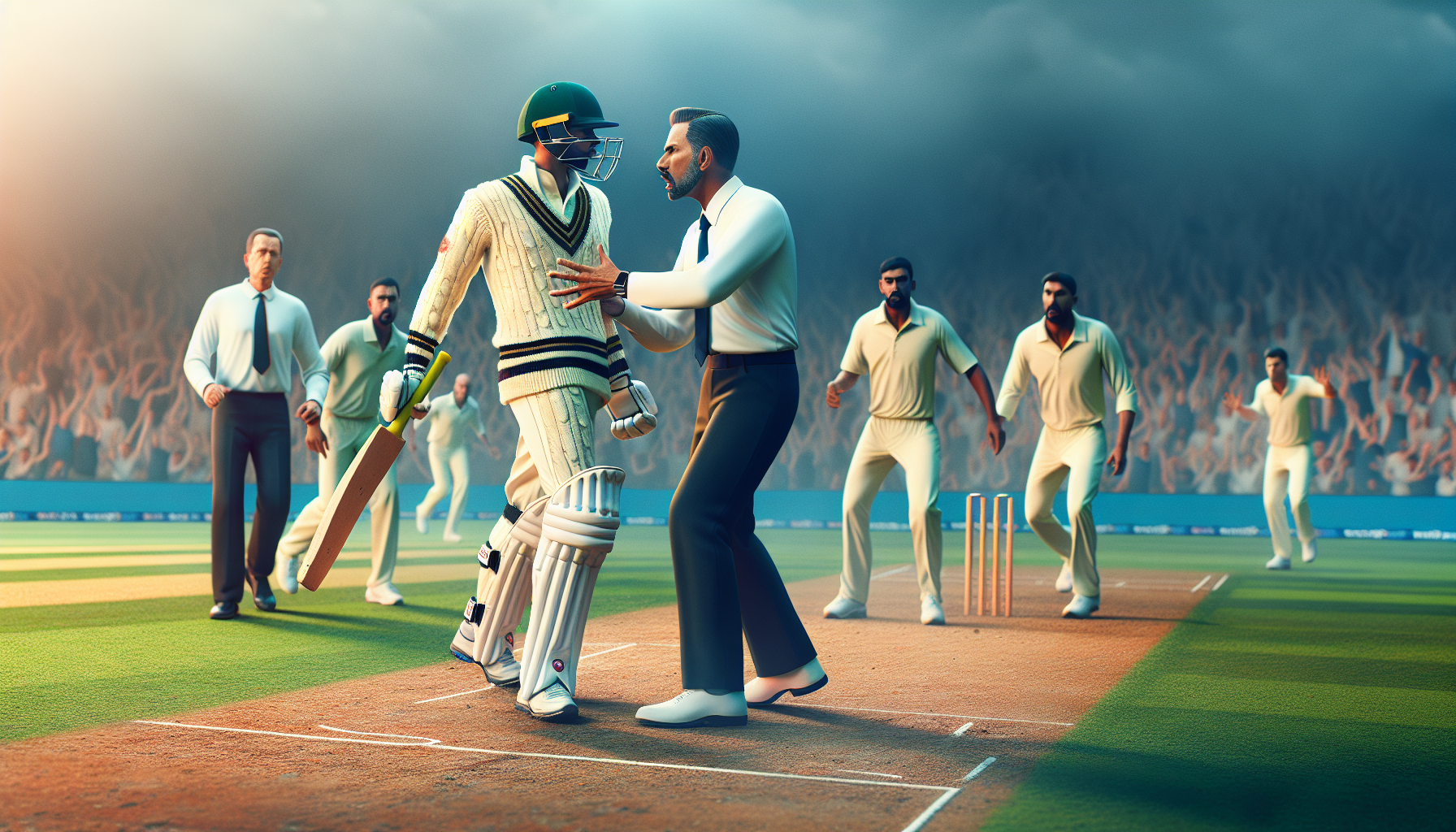
During a tense IPL 2026 match, emotions flared when Delhi Capitals found themselves in a heated moment against Chennai Super Kings. It all began during the critical 19th over of Delhi’s chase when Tristan Stubbs, a key player, was denied a request to change his gloves. The fourth umpire’s refusal, aimed at maintaining the match’s pace, did not sit well with the Delhi bench. This sparked an agitated response from Nitish Rana, who was not playing at the moment but was involved from the sidelines. The altercation became notable enough for the IPL governing council to intervene.
Consequences: Infractions and Reactions
Following the altercation, the IPL council took decisive action. Nitish Rana was fined 25% of his match fee and received a demerit point for his conduct, which included the use of audible obscenities—a direct breach of Article 2.3 of the IPL Code of Conduct. Stubbs’ subsequent dismissal on the next delivery fueled the tension further, as his visible frustration only escalated the situation. According to CricTracker, “Rana admitted to the offence and accepted the Match Referee’s sanction,” highlighting the accountability expected in professional sports.
Setting a Precedent: IPL’s Stance on Player Conduct
The IPL’s response to the incident underscores its commitment to upholding the integrity of the game. Not only does the penalty reflect the seriousness with which the league views on-field decorum, but it also sets a clear example for other players. The swift action reaffirmed that breaches of conduct, regardless of the situation’s pressure, involve consequences. This aligns with the league’s broader objectives of ensuring fair play and sportsmanship.
Beyond the Penalty: Addressing the Root Causes
While penalties can curb immediate misconduct, understanding the root causes of such outbursts is essential. Players are subjected to intense pressure, especially during deciding moments in matches. The refusal to allow Stubbs a change of gloves, viewed as a strategic necessity by the team, triggered an emotional response. This incident prompts a conversation about balancing strict adherence to rules with allowances that do not compromise player safety or match integrity.
Impact on the Match: Highlights and Overshadowing Events
The clash between the teams was not only marked by this confrontation but also by remarkable individual performances that partly shifted the focus back to cricket. Sanju Samson’s stellar knock of 115 off 56 balls was a highlight, steering CSK to a formidable total. Despite this, the incident with Rana seemed to overshadow their first win of the season. Meanwhile, Delhi Capitals’ efforts fell short, although they showcased resilience in trying circumstances, maintaining the competitive spirit IPL is renowned for.
Reflections and Moving Forward
This event provides an opportunity to reflect on the broader implications for players and officials alike. As the IPL continues to grow in stature, maintaining a balance between rigid rule enforcement and understanding human elements is crucial. Moving forward, it’s imperative for players to harness emotional intelligence in high-pressure situations and for officials to ensure clarity in communication, minimizing confrontational exchanges.
Frequently Asked Questions
What exactly did Nitish Rana do during the match?
Rana engaged in a heated argument with a match official over the denial to allow Tristan Stubbs to change his gloves, using audible obscenities that breached the IPL Code of Conduct.
What were the penalties imposed on Rana for his behavior?
He was penalized with a 25% fine of his match fee and handed a demerit point under the league’s conduct regulations.
Why was the glove change request denied by the umpire?
The umpire cited pace-of-play regulations as the reason for denying the request, attempting to maintain the flow and timing of the match.
How did the incident impact the overall match outcome?
While it raised tensions, Chennai Super Kings still secured their first win of the season, led by a strong batting performance from Sanju Samson.
What measures does the IPL take to address player conduct issues?
The IPL enforces strict guidelines under its Code of Conduct, with established penalties for breaches, and aims to uphold sportsmanship and fair play.
Our cricket guide explains the methods of dismissal in full.