Introduction to the IPL Controversy
In the world of cricket, the Indian Premier League (IPL) often serves as a stage for drama both on and off the field. Recently, a four-hour, twenty-two-minute marathon match between the Mumbai Indians (MI) and the Royal Challengers Bangalore (RCB) has brought attention to the pressures and expectations within the league. With Hardik Pandya and Tim David at the center of the storm, the Board of Control for Cricket in India (BCCI) has taken a strict stance against time management violations, highlighting deeper issues in the management of the globally celebrated tournament.
The Events of the MI-RCB Match
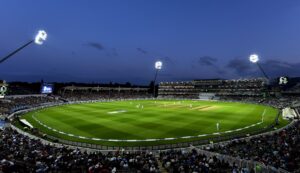
The highly anticipated match at Wankhede Stadium extended well beyond scheduled time, drawing ire from BCCI officials. The elongated game tested not just viewer patience but also regulatory boundaries established by the IPL. Mumbai Indians’ captain Hardik Pandya and RCB’s impactful hitter Tim David, were cited for their roles in what was perceived as a blatant disregard for time management policies. According to the rules governing IPL matches, games are expected to conclude within a specified time frame, ensuring that broadcast schedules and viewer expectations are satisfactorily met. However, this match unfolded differently, throwing a spotlight on the challenges of managing high-profile games.
Hardik Pandya and Tim David: Central Figures
Hardik Pandya, celebrated for his leadership skills and extraordinary performance on the field, found himself entangled in a controversy that questioned his captaincy. Meanwhile, Tim David’s bold strategies, though often praised for dynamism, drew scrutiny when they intersected with official regulations. The breach of conduct led to penalties for both players, signaling the BCCI’s intent to rigorously enforce discipline and uphold the sanctity of the match schedules.
BCCI’s Firm Stance and Its Implications
The BCCI’s response to this incident was swift and decisive, reinforcing its commitment to maintaining strict adherence to the rules. By issuing penalties, the BCCI aims to curb lax attitudes toward time management and remind all stakeholders of the importance of compliance. This incident, among others in the IPL 2026 season, underscores the cricket board’s preventive measures, seeking to enhance the integrity and fairness of the competition.
Impact on the Players and Teams
For Hardik Pandya, the controversy is an opportunity to reflect and re-align strategies to ensure adherence to league expectations. Similarly, Tim David now faces the task of balancing on-field aggression with respect for official protocols. These high-profile incidents affect player reputation and team dynamics, making them pivotal learning experiences that shape future conduct. The teams, especially Mumbai Indians and RCB, must navigate through the ramifications, adjusting tactics to remain competitive yet compliant.
Public and Media Reactions
The extended duration of the MI-RCB game has sparked varied reactions from fans and media alike. Fans have expressed disappointment over the delays, while some analysts argue for reassessing the pace at which modern cricket is played. There is a consensus on the need for clarity in rules application to avoid similar occurrences in the future. Media coverage has amplified the incident, bringing it to the forefront of cricket discussions and potentially influencing future IPL policies and viewership expectations.
The Future of IPL: Lessons and Changes
This incident offers valuable lessons for all IPL stakeholders, emphasizing the importance of strict time management and adherence to established protocols. The BCCI, players, and teams must leverage this experience to drive positive change within the league, ensuring that future matches meet both regulatory and viewer expectations. As the IPL evolves, the emphasis on discipline, timely conduct, and structured gameplay is expected to become even more pronounced, fostering a competitive yet orderly sporting environment.
Frequently Asked Questions
What caused the match between MI and RCB to run over time?
The match extended beyond the scheduled time due to strategic delays and prolonged gameplay, leading to scrutiny from BCCI officials.
What penalties did Hardik Pandya and Tim David face?
Both players were fined by the BCCI for violating time management protocols, underscoring the importance of adhering to league regulations.
How has the BCCI responded to the extended match issue?
The BCCI has reinforced its commitment to discipline by penalizing violators and emphasizing the need for time-bound conduct during matches.
What are the potential impacts of this incident on the IPL?
This incident may lead to stricter enforcement of rules, impacting player strategies and influencing future IPL policies.
How can future IPL matches avoid similar controversies?
Future matches can avoid such controversies by ensuring strict adherence to game timings and fostering clear communication among all participants.
Related: Mumbai Indians vs Punjab Kings: Decoding the IPL 2026 Showdown at Wankhede
Related: Mumbai Indians’ Struggles: Irfan Pathan’s Candid Analysis Post-RCB Defeat
Related Analysis
Frequently Asked Questions
What caused the match between MI and RCB to run over time?
The match extended beyond the scheduled time due to strategic delays and prolonged gameplay, leading to scrutiny from BCCI officials.
What penalties did Hardik Pandya and Tim David face?
Both players were fined by the BCCI for violating time management protocols, underscoring the importance of adhering to league regulations.
How has the BCCI responded to the extended match issue?
The BCCI has reinforced its commitment to discipline by penalizing violators and emphasizing the need for time-bound conduct during matches.
What are the potential impacts of this incident on the IPL?
This incident may lead to stricter enforcement of rules, impacting player strategies and influencing future IPL policies.
How can future IPL matches avoid similar controversies?
Future matches can avoid such controversies by ensuring strict adherence to game timings and fostering clear communication among all participants. Related: Mumbai Indians vs Punjab Kings: Decoding the IPL 2026 Showdown at Wankhede Related: Mumbai Indians' Struggles: Irfan Pathan's Candid Analysis Post-RCB Defeat