What Triggered the Controversy?
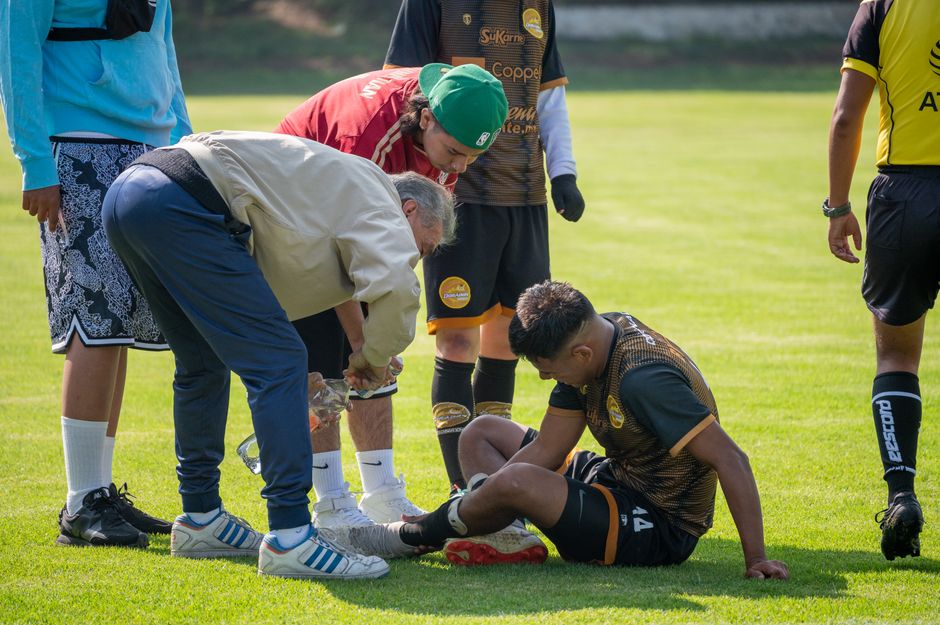
During a high‑stakes IPL clash between Royal Challengers Bangalore (RCB) and the Mumbai Indians, a seemingly routine injury stoppage turned into a spectacle. RCB’s left‑arm pacer Khaleel Ahmed suffered a minor knock, left the field, and returned almost immediately. The episode persisted for roughly ten minutes, prompting former Indian captain and chief mentor Ravi Shastri to voice his displeasure.
Shastri’s Point‑by‑Point Critique
Shastri, who has been a vocal advocate for smooth game flow, called the delay “farcical” and “unacceptable” in a post‑match interview. He argued that the time lost could have been used to strategise, especially given the narrow margin RCB eventually lost by. In his view, the team’s handling of the injury “wasted ten minutes that could have altered the outcome.”
Rulebook vs. Reality
The IPL’s playing conditions allow a maximum of three minutes for a player to assess an injury with the medical staff. However, there is no explicit penalty for extending that period if the player re‑enters swiftly. Shastri highlighted this gray area, suggesting that the Board of Control for Cricket in India (BCCI) should tighten enforcement to prevent tactical delays.
Impact on Momentum
Cricket, especially in the T20 format, thrives on momentum. A pause of even a few minutes can shift the rhythm of both batting and bowling sides. For RCB, the delay seemed to interrupt a critical bowling spell, letting the MI batting line‑up settle and rebuild. Conversely, MI’s fast bowler, who later suffered his own injury, left the field after a brief stint, adding a layer of irony to the situation.
Broader Implications for Team Strategy
Beyond the immediate frustration, Shastri’s comments spark a broader conversation about how IPL franchises manage injury protocols. Teams often juggle player fitness, tactical time‑outs, and the psychological edge of controlling the pace of the game.
Risk Management and Player Welfare
While Shastri’s criticism focuses on the time lost, the underlying issue also touches on player well‑being. Quick returns from injury can jeopardise health, especially for fast bowlers. RCB’s decision to send Ahmed back after a brief assessment raises questions about the balance between competitive advantage and safeguarding players.
Strategic Time‑outs: A Double‑Edged Sword
Franchises sometimes use injury delays as a covert method to reset the fielding side, akin to a strategic timeout in other sports. This practice, though not explicitly sanctioned, can offer a tactical breather. Shastri’s outburst may force the IPL governing body to clarify whether such tactics fall within the spirit of the game.
What the Fans and Experts Are Saying
Supporters of RCB have taken to social media, defending Ahmed’s quick return as a sign of bravery, while opponents argue it exemplifies poor sportsmanship. Cricket analysts on television panels echoed Shastri’s concerns, noting that “consistent enforcement of injury protocols is essential for the credibility of the league.”



Comparative Cases
In past IPL seasons, similar controversies have arisen—most notably when a team’s wicket‑keeper took an unusually long break citing equipment malfunction. The BCCI eventually introduced stricter checks on equipment swaps, showing that rule adjustments can follow high‑profile incidents.
Potential Policy Adjustments
Given the scrutiny, the IPL’s technical committee might consider a few options:

- Introducing a timer visible to broadcasters that starts when a player leaves the field.
- Imposing a five‑minute penalty for teams that exceed the allotted injury assessment time.
- Mandating a minimum rest period before a player can re‑enter after an injury, to prioritise health.
Ravi Shastri’s Legacy as a Guardian of the Game
Shastri’s willingness to call out perceived misconduct reflects his broader commitment to maintaining cricket’s integrity. As a former player who has experienced the pressures of international cricket, his perspective carries weight. By highlighting these “ten minutes wasted,” he underscores a principle that resonates beyond cricket: time is a precious commodity in competitive sport, and its misuse can undermine the spirit of fair play.

Connecting the Dots: From Injury to Innovation
Incidents like this often act as catalysts for change. Whether the IPL will adopt stricter guidelines or simply rely on teams to self‑regulate remains to be seen. What is clear is that stakeholders—from coaches to commentators—must remain vigilant.
According to hindustantimes.com, the delay drew immediate criticism from former players, with many suggesting a formal review of injury protocols. This reinforces the notion that the IPL’s governing bodies cannot ignore such flashpoints.
Conclusion: A Call for Balanced Enforcement
The episode involving Khaleel Ahmed’s brief exit and immediate return highlights a tension between competitive drive and the orderly conduct of the game. Ravi Shastri’s public admonishment may prompt the BCCI to fine‑tune its regulations, ensuring that injury assessments are both swift and respectful of player health. As the league evolves, stakeholders must work together to preserve the excitement of T20 cricket without compromising its fairness.
Frequently Asked Questions
Why was the injury delay considered controversial?
The delay lasted around ten minutes, far exceeding the standard three‑minute allowance for injury assessments, leading to accusations of tactical time‑wasting.
What are the current IPL rules regarding injury stoppages?
Players have up to three minutes to be examined by medical staff. Any additional time is generally discouraged, though no explicit penalty exists for overruns.
How did RCB respond to Shastri’s criticism?
RCB’s management defended their actions, stating that Ahmed’s injury was minor and his quick return was within the team’s discretion.
Could this incident lead to rule changes in the IPL?
It’s possible. The IPL technical committee may consider implementing visible timers, penalties for excessive delays, or stricter health protocols.
What impact do such delays have on the outcome of a match?
Extended pauses can disrupt momentum, affect team strategies, and potentially alter the result, especially in closely contested T20 games where every minute counts.
Related Analysis
Frequently Asked Questions
What Triggered the Controversy?
During a high‑stakes IPL clash between Royal Challengers Bangalore (RCB) and the Mumbai Indians, a seemingly routine injury stoppage turned into a spectacle. RCB’s left‑arm pacer Khaleel Ahmed suffered a minor knock, left the field, and returned almost immediately. The episode persisted for roughly ten minutes, prompting former Indian captain and chief mentor Ravi Shastri to voice his displeasure.
Why was the injury delay considered controversial?
The delay lasted around ten minutes, far exceeding the standard three‑minute allowance for injury assessments, leading to accusations of tactical time‑wasting.
What are the current IPL rules regarding injury stoppages?
Players have up to three minutes to be examined by medical staff. Any additional time is generally discouraged, though no explicit penalty exists for overruns.
How did RCB respond to Shastri’s criticism?
RCB’s management defended their actions, stating that Ahmed’s injury was minor and his quick return was within the team’s discretion.
Could this incident lead to rule changes in the IPL?
It’s possible. The IPL technical committee may consider implementing visible timers, penalties for excessive delays, or stricter health protocols.
What impact do such delays have on the outcome of a match?
Extended pauses can disrupt momentum, affect team strategies, and potentially alter the result, especially in closely contested T20 games where every minute counts.