The soft thud of a ball landing in a gloved hand can change the momentum of an innings, turning a potential edge into a crucial dismissal. Every slip fielder knows that a split‑second adjustment separates a catch from a dropped opportunity, and mastering the subtleties of that adjustment begins long before the first ball is bowled.
By dissecting the mechanics, mindset, and repetitive drills that underpin effective slip work, a player can transform raw reflexes into a reliable slip catching technique in cricket. The following steps break down the process into actionable components that can be practiced individually or woven into a comprehensive training routine.
Analyzing the Spatial Dynamics of the Slip Cordoned Area
Identifying the optimal catching zone relative to the pitch
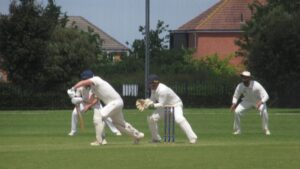
The slip cordon sits on the off‑side, typically a few meters behind the batting crease. Its position is dictated by the bowler’s line, length, and the batsman’s stance. Understanding how the ball’s trajectory intersects this zone is essential; a slight shift in the bowler’s seam position can move the edge from the first slip to the second or third. Visualising this invisible corridor helps fielder placement become instinctive rather than reactive.
Adapting to variations in bowler style and pitch conditions
Fast bowlers generate steeper angles, while seamers on a green pitch tend to produce more pronounced lateral movement. In each scenario, the slip catcher must adjust the depth of the cordon—moving a step back for extra bounce or edging forward for low‑seamed deliveries. The key is to maintain a consistent line of sight on the bat’s edge while allowing the body to shift subtly with the ball’s expected path.
Refining Hand‑Eye Synchronisation Through Targeted Drills
Employing reaction balls to enhance reflex speed
Reaction balls bounce unpredictably, forcing the hands to react without a pre‑set trajectory. Repeated sessions develop rapid neural signalling, which directly translates to quicker hand positioning when a true cricket ball arrives. Short, high‑intensity bursts of 10‑minute drills maintain focus while avoiding fatigue that can degrade technique.
Practising one‑handed catches to build individual hand confidence
Traditional slip catching relies on both hands working in unison, yet the dominant hand often leads the movement. Isolating each hand with single‑handed catching drills ensures that both sides can independently secure the ball, reducing the chance of a fumble when the ball lands off‑centre.
Integrating soft‑catch drills with gradual speed increments
Starting with a slow, lobbed ball allows the fielder to concentrate on body alignment and glove positioning. Incrementally raising the delivery speed trains the system to preserve technique under increasing pressure, mirroring the escalation from practice to match situations.
Optimising Body Alignment and Footwork for Secure Catches
Maintaining a low, balanced stance to improve reaction time
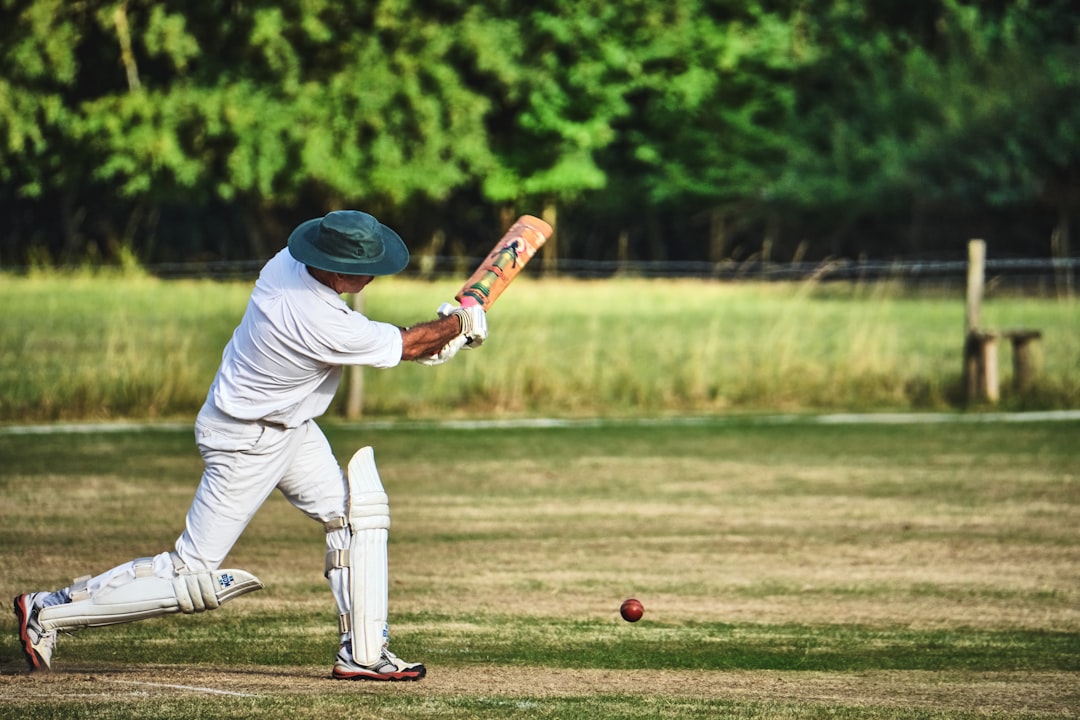
A slightly crouched posture lowers the centre of gravity, making lateral adjustments quicker. The knees should be flexed, weight evenly distributed on the balls of the feet, and the hips aligned with the line of sight. This stance shortens the distance the hands must travel and keeps the torso stable for a clean scoop.
Executing micro‑steps rather than large lunges
When the ball deviates from its expected line, a small shuffle of the feet—often just an inch or two—can bring the gloves into optimal position without compromising balance. Large lunges risk over‑reaching and losing control of the gloves, especially on low‑bounce edges.
Synchronising glove orientation with ball spin and seam
The glove’s palm should face slightly upward, ready to cradle a ball that may spin or skid. If the ball is expected to swing late, angling the glove inward helps absorb the momentum without the ball popping out of the pocket. Consistent glove orientation reduces the need for last‑minute wrist adjustments.
Simulating Match‑Like Pressure to Cement Technique
Creating high‑intensity catching circuits with limited rest
Arrange a series of catches where the fielder receives a ball, secures it, and immediately prepares for the next delivery. Short recovery periods mimic the rapid succession of edges typical in a test innings, training both physical stamina and mental composure.
Incorporating auditory cues to replicate crowd and communication noise
Background chatter, the stir of teammates, and occasional calls can distract a fielder. Playing recorded crowd sounds during practice forces the slip catcher to focus solely on the visual cue of the ball, reinforcing concentration under real‑world conditions.
Evaluating performance with video analysis for continuous feedback
Recording each session allows the fielder to review hand positioning, footwork, and body alignment frame by frame. Spotting even minor deviations—such as a delayed glove rotation—enables targeted corrective drills, ensuring that each practice iteration builds on the last.
Key Takeaways for Ongoing Slip Catching Development
Mastery of slip catching technique in cricket does not rely on a single flash of insight; it emerges from a disciplined blend of spatial awareness, hand‑eye coordination, precise body mechanics, and psychological resilience. By systematically applying the analytical steps outlined above—understanding positioning geometry, honing reflexes, perfecting stance and footwork, and rehearsing under pressure—a fielder can evolve from a tentative catcher to a dependable link in the fielding chain. Regular reassessment and incremental adjustments keep the skill sharp, ensuring that each edge presented on the field has a far greater chance of turning into a wicket.
Frequently Asked Questions
How many catches should a slip fielder aim to practice in a typical session?
Quality outweighs quantity; a focused session of 30 to 40 high‑intensity catches, interspersed with brief recovery, provides ample repetition while maintaining concentration and technique fidelity.
Is it better to practice with a tennis ball or a cricket ball for slip catching?
Both have merit. A tennis ball is gentler on the hands and ideal for early reflex work, while a cricket ball introduces the exact weight and seam characteristics needed for realistic glove handling.
Can slip catching be improved without a coach or mentor?
Self‑analysis through video recordings, coupled with structured drills, can drive progress, though occasional external feedback helps identify subtle habit patterns that may go unnoticed.
What role does glove type play in slip catching efficiency?
Gloves designed for close‑in fielding typically feature a padded palm and a slightly deeper pocket, aiding in the secure capture of edges that arrive at odd angles.
How does wind affect slip catching technique?
Wind can alter the ball’s swing and trajectory, requiring the fielder to adjust the depth of the cordon and anticipate a slightly later or earlier arrival, while maintaining the same core body and hand positioning.
Frequently Asked Questions
How many catches should a slip fielder aim to practice in a typical session?
Quality outweighs quantity; a focused session of 30 to 40 high‑intensity catches, interspersed with brief recovery, provides ample repetition while maintaining concentration and technique fidelity.
Is it better to practice with a tennis ball or a cricket ball for slip catching?
Both have merit. A tennis ball is gentler on the hands and ideal for early reflex work, while a cricket ball introduces the exact weight and seam characteristics needed for realistic glove handling.
Can slip catching be improved without a coach or mentor?
Self‑analysis through video recordings, coupled with structured drills, can drive progress, though occasional external feedback helps identify subtle habit patterns that may go unnoticed.
What role does glove type play in slip catching efficiency?
Gloves designed for close‑in fielding typically feature a padded palm and a slightly deeper pocket, aiding in the secure capture of edges that arrive at odd angles.
How does wind affect slip catching technique?
Wind can alter the ball’s swing and trajectory, requiring the fielder to adjust the depth of the cordon and anticipate a slightly later or earlier arrival, while maintaining the same core body and hand positioning.