
The Incident in Detail
During a routine training session at Durham’s North East Cricket Centre, England’s captain Ben Stokes was struck in the face by a fast‑moving ball. The projectile, delivered by a teammate during a high‑intensity net drill, made direct contact with Stokes’ cheekbone, causing a fracture that required immediate surgical intervention. While the practice environment is designed to simulate match conditions, the incident highlighted how quickly a routine drill can turn hazardous when split‑second timing is misjudged.
What Went Wrong?
Net practice typically involves bowlers delivering a series of balls at varying speeds while batsmen respond with defensive or attacking strokes. In this particular session, a bowler generated pace comparable to a medium‑fast delivery, and the ball ricocheted off the bat’s edge before landing on Stokes’ face. The lack of protective headgear—common for senior players in nets—left the captain vulnerable, and the impact was sufficient to fracture the zygomatic bone.
Immediate Reaction
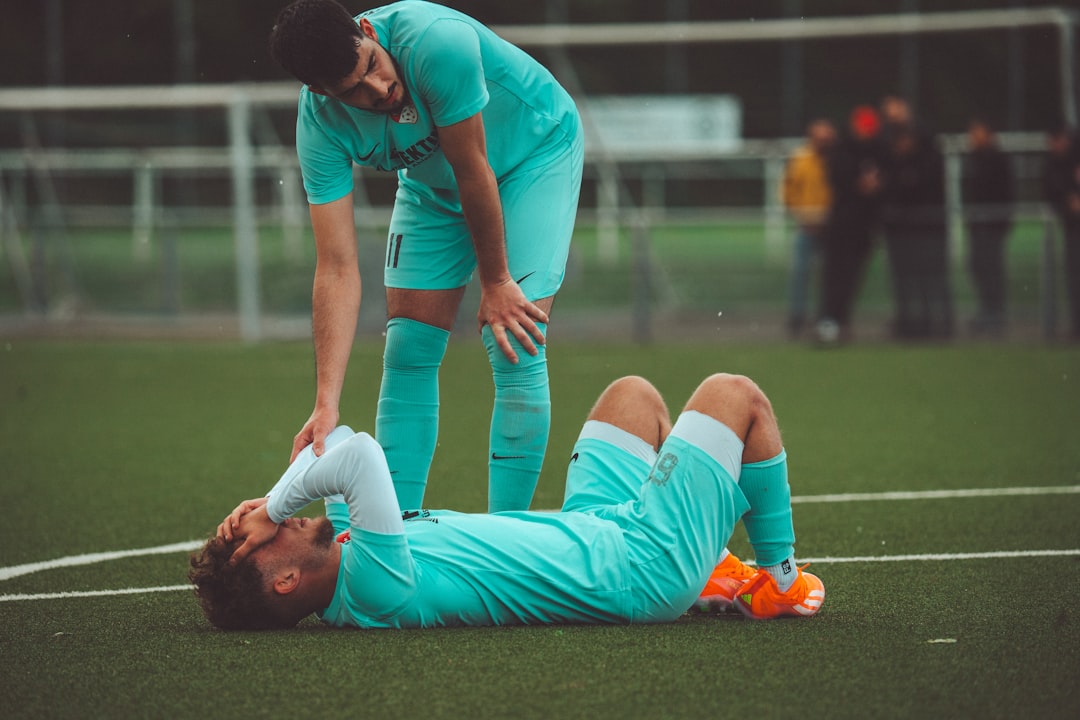
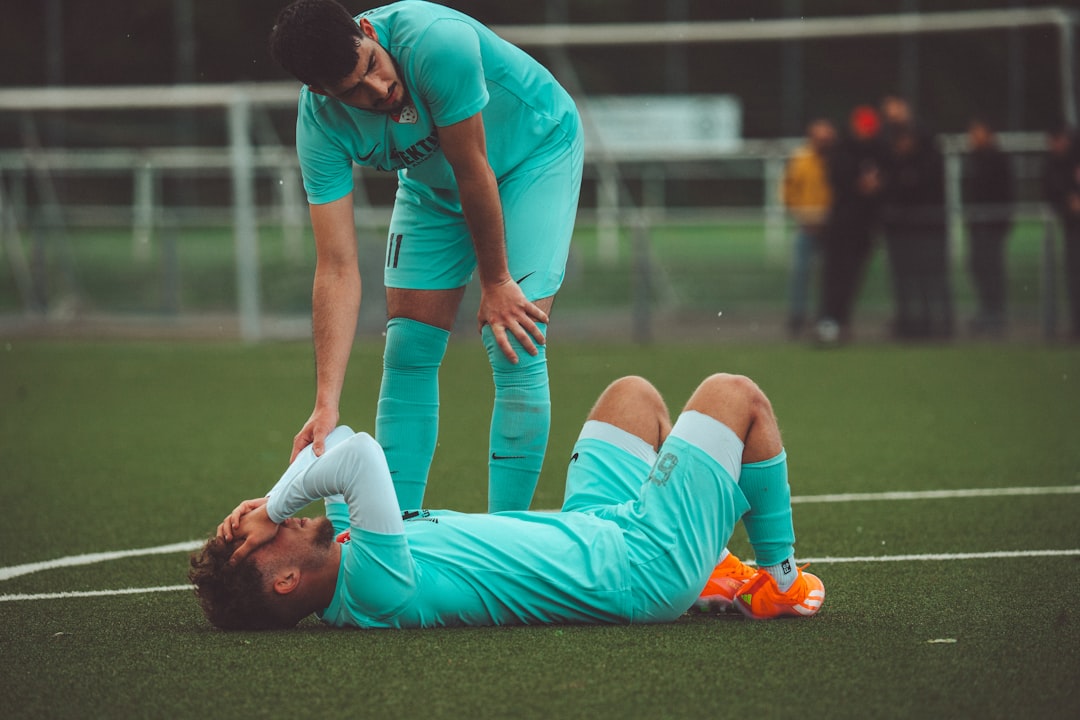
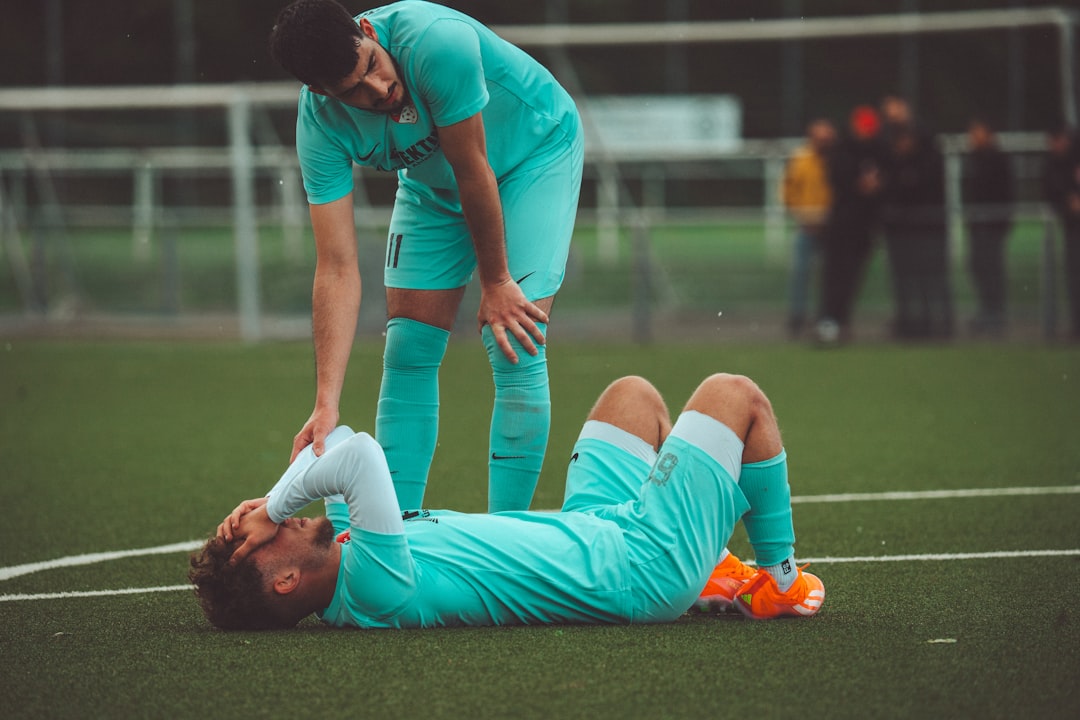
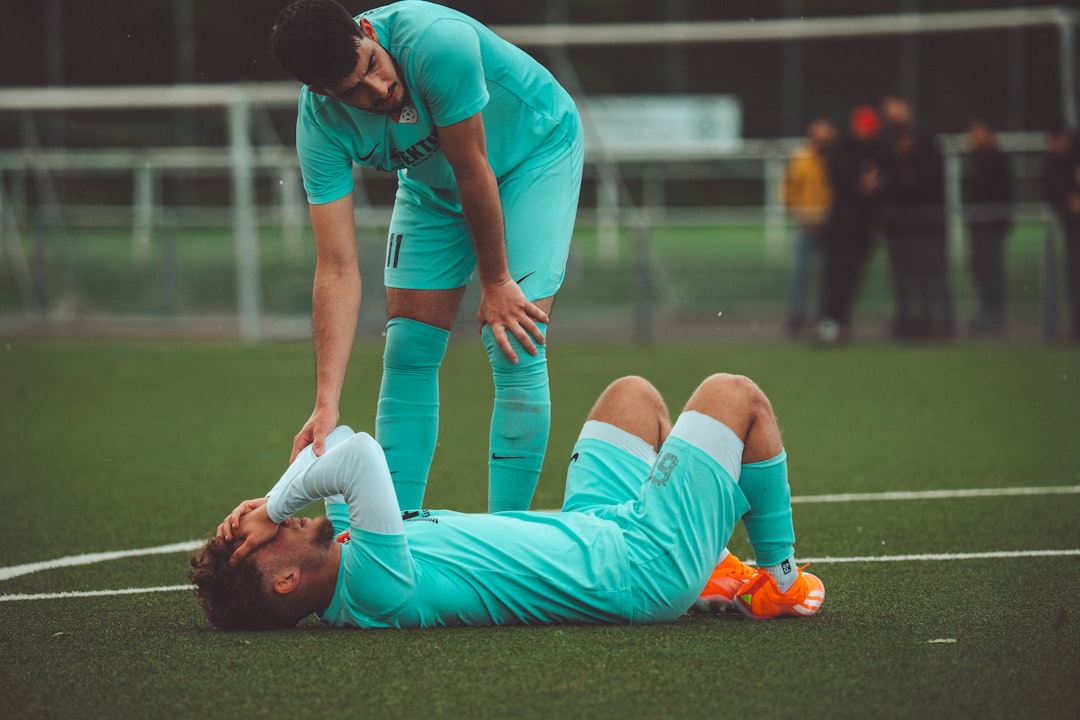
Witnesses reported that the room fell silent as Stokes clutched his face and collapsed onto the grass. The team’s medical staff rushed in, applying a cold compress and immobilising the injured area. The swift response prevented further damage, but the seriousness of the fracture was evident within minutes.
Medical Response and Recovery
Following the initial assessment, Stokes was transferred to a nearby hospital where a team of maxillofacial surgeons performed an operation to realign his cheekbone. The procedure involved inserting titanium plates to stabilise the bone fragments, a standard approach for complex facial fractures. Post‑operative care included a period of restricted movement, a soft‑food diet, and regular physiotherapy to restore full function.
Timeframe for Return
Experts estimate that athletes with similar injuries typically require six to eight weeks before returning to full training, provided there are no complications. However, Stokes’ own description of the experience—calling himself “quite lucky” to have avoided more severe trauma—suggests a cautious approach. He will likely undergo a gradual re‑introduction to high‑impact drills, beginning with protective gear and low‑intensity sessions.
Long‑Term Considerations
Facial injuries can have lingering effects, including altered vision, chronic pain, or psychological hesitance when facing fast bowling. Stokes’ rehabilitation program includes not only physical healing but also mental conditioning to rebuild confidence in the net environment.
Implications for Player Safety
The event has reignited debates about safety protocols during practice. While helmets are mandated for batsmen facing fast bowlers in match play, many senior players forgo head protection in nets, citing comfort and freedom of movement. This incident may shift that mindset, encouraging teams to reassess protective equipment standards even during training.
Current Guidelines
England and Wales Cricket Board (ECB) guidelines advise that players use helmets when facing deliveries above 85 km/h in practice. However, enforcement varies, and senior players often receive exemptions. The lack of a mandatory rule leaves room for subjective decision‑making, which can lead to inconsistencies in safety practices.
Potential Policy Changes
In light of Stokes’ injury, the ECB could consider a uniform requirement for helmets in nets whenever pace bowlers exceed a certain speed threshold. Additionally, introducing padded barriers behind the batsman could mitigate the risk of ricocheting balls. Such measures would aim to preserve the intensity of practice while safeguarding players from preventable harm.

Stokes’ Perspective and Leadership
In a candid interview, Stokes reflected on the incident, stating that he “got out quite lucky” with the outcome of his surgery. His humility underscores a broader leadership philosophy: acknowledging vulnerability and using personal experience to champion safer conditions for teammates.

From Player to Advocate
Stokes’ public statements have already sparked discussions among teammates, who now openly consider wearing helmets in sessions that were previously deemed “low‑risk.” His influence as captain extends beyond tactical decisions on the field; it encompasses setting cultural standards that prioritize health.
Balancing Aggression and Caution
One of the challenges for elite cricketers is maintaining the aggressive edge that defines high‑level competition while respecting safety boundaries. Stokes’ incident illustrates that the line between preparation and peril is thin, and that a proactive approach to equipment can preserve both performance and well‑being.
Broader Context in Modern Cricket
Fast‑bowling injuries have historically prompted equipment innovations, from reinforced helmets to advanced padding. According to bbc.com, incidents like the one involving Stokes contribute to a cumulative body of evidence that drives regulatory bodies to refine safety standards.
Technology’s Role
Emerging technologies such as impact sensors embedded in helmets can record the force of each delivery, offering real‑time data to assess risk. Integrating these tools into training could allow coaches to adjust drill intensity based on measurable thresholds, reducing the likelihood of severe injuries.
International Comparisons
Some cricketing nations, notably Australia and South Africa, have already instituted stricter mandatory helmet policies in nets for senior players. Comparative analysis suggests that these nations have observed fewer facial injuries during practice, supporting the argument for a global standard.
Key Takeaways
Ben Stokes’ near‑miss serves as a stark reminder that even the most seasoned professionals are not immune to the hazards of high‑velocity cricket. The incident has ignited conversations about protective equipment, training protocols, and the responsibility of leadership in fostering a safety‑first culture. As the sport continues to evolve, the lessons drawn from this event may shape a safer future for every player stepping onto the net.
Frequently Asked Questions
What exactly happened to Ben Stokes in the Durham nets?
During a routine practice drill, a fast‑moving ball struck Stokes in the face, fracturing his cheekbone and requiring surgical repair.
How long will Stokes be out of action?
Medical experts estimate a recovery period of six to eight weeks before he can resume full training, though his return may be phased.
Will this incident change safety rules in cricket training?
The event has prompted calls for stricter helmet mandates in nets, especially when facing fast bowlers, and could lead to updated ECB guidelines.
Did Stokes suffer any long‑term damage?
At present, there are no reported permanent impairments, but ongoing physiotherapy will address any lingering effects and ensure full functional recovery.
How can other players protect themselves from similar injuries?
Wearing approved helmets during high‑speed drills, using padded barriers, and adhering to recommended safety protocols can significantly reduce the risk of facial injuries.
Related Analysis
Frequently Asked Questions
What Went Wrong?
Net practice typically involves bowlers delivering a series of balls at varying speeds while batsmen respond with defensive or attacking strokes. In this particular session, a bowler generated pace comparable to a medium‑fast delivery, and the ball ricocheted off the bat’s edge before landing on Stokes’ face. The lack of protective headgear—common for senior players in nets—left the captain vulnerable, and the impact was sufficient to fracture the zygomatic bone.
What exactly happened to Ben Stokes in the Durham nets?
During a routine practice drill, a fast‑moving ball struck Stokes in the face, fracturing his cheekbone and requiring surgical repair.
How long will Stokes be out of action?
Medical experts estimate a recovery period of six to eight weeks before he can resume full training, though his return may be phased.
Will this incident change safety rules in cricket training?
The event has prompted calls for stricter helmet mandates in nets, especially when facing fast bowlers, and could lead to updated ECB guidelines.
Did Stokes suffer any long‑term damage?
At present, there are no reported permanent impairments, but ongoing physiotherapy will address any lingering effects and ensure full functional recovery.
How can other players protect themselves from similar injuries?
Wearing approved helmets during high‑speed drills, using padded barriers, and adhering to recommended safety protocols can significantly reduce the risk of facial injuries.