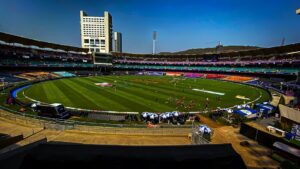
Background to the Wankhede Clash
The Mumbai Indians entered the fourth match against the Punjab Kings with a mounting sense of urgency. After three consecutive defeats, the five‑time champions found themselves perched at ninth place on the 2026 IPL points table—a stark contrast to the dynasty they have built over the past decade. The loss at the Wankhede Stadium was not just another blemish; it was a symptom of deeper fissures within the side, ranging from strategic discord to an under‑performing pace department.
The On‑Field Confrontation That Stole the Spotlight
During Hardik Pandya’s over, a brief yet telling exchange unfolded between him and star bowler Jasprit Bumrah. Pandya, acting as the makeshift on‑field captain while Rohit Sharma recuperated with a hamstring injury, gestured for Bumrah to shift his line to a newly set field position. Bumrah, visibly unsettled, initially resisted before ultimately acquiescing to Pandya’s animated request. The camera then cut to Rohit Sharma in the dugout, his face a portrait of frustration.
While the episode lasted only a few seconds, its resonance extended far beyond the immediate moment. It exposed an uneasy balance of authority on the field, where the senior bowler’s instinct clashed with the captain’s strategic intent. For a team that has long prided itself on composure under pressure, this rupture signaled a possible erosion of the hierarchy that has historically underpinned MI’s success.
Tactical Misalignments: Pandya vs. Bumrah
Hardik Pandya’s decision to reposition Bumrah was not without merit. The Punjab Kings were cruising at 140‑2 after 13 overs, and Pandya’s field adjustment aimed to curb the run‑flow on the leg side, where Bumrah’s usual, tight off‑stump line had been less effective. However, Bumrah’s natural rhythm relies heavily on consistency and confidence in his own judgment. A sudden change, especially from a teammate rather than the designated captain, can disrupt his mental flow.
In the T20 format, where every ball is a potential match‑winner, such micro‑adjustments need seamless communication. The brief hesitation observed on Bumrah’s part suggested an internal conflict: respect for Pandya’s authority versus personal conviction in his bowling plan. The compromise, though short‑lived, may have contributed to the loss of momentum that ultimately allowed Punjab to chase down 196 with ease.
Rohit Sharma’s Frustration and Its Implications
Rohit Sharma’s visible exasperation in the dugout was a powerful visual cue for fans and analysts alike. Already sidelined with a hamstring injury sustained against Royal Challengers Bengaluru, Rohit’s role had shifted from frontline batsman to strategic overseer. His inability to intervene directly placed him in a spectator‑role, watching his senior players grapple with on‑field decisions.

That frustration was not merely personal; it reflected a broader concern about MI’s leadership dynamics. When the captain cannot enforce his vision instantly, it raises questions about the chain of command and the shared understanding of each player’s responsibilities. As MI’s batting coach recently noted, “In IPL, the captain’s voice must be heard unmistakably, especially during tight phases.” The incident underscored a potential disconnect that may affect future decision‑making under pressure.
Bowling Unit Underperforming: The Bumrah Conundrum
Jasprit Bumrah entered the tournament hailed as one of the world’s premier death bowlers, fresh from a joint‑highest wicket‑taker accolade at the T20 World Cup. Yet, after five matches, his IPL wicket tally remained at zero. He had bowled 19 overs, conceding runs at an economy rate hovering near nine—a stark contrast to his sub‑seven figures in previous seasons.
Multiple factors could explain this decline. Firstly, the Wankhede pitch this year offered a slightly higher bounce, reducing the effectiveness of Bumrah’s signature slower‑ball variations. Secondly, his workload in the early games, including back‑to‑back spell duties, may have contributed to fatigue, especially after a demanding international calendar. Lastly, mental pressure stemming from the weight of expectations at a franchise accustomed to silverware cannot be discounted.
Impact on Team Morale and Cohesion
The public nature of the Pandya‑Bumrah exchange, amplified by camera focus on a frustrated Rohit, sent ripples through the dressing room. In a high‑stakes tournament, morale can swing dramatically from a single incident. Players thrive on trust and a clear chain of command; any perceived ambiguity can erode confidence.

Moreover, the loss exposed vulnerable spots in the MI batting order. With Rohit out, Suryakumar Yadav and Ishan Kishan shouldered the scoring burden, yet the middle overs often faltered, leaving the side vulnerable to aggressive chases. The combined effect of batting inconsistencies and a sputtering pace attack compounds the psychological strain on the squad.
Looking Ahead: Strategic Adjustments Required
To arrest the slide, MI will need to address three core areas:
- Clear On‑Field Authority: Reaffirming Rohit’s strategic intent, even while injured, perhaps by delegating a clear on‑field lieutenant (e.g., Hardik Pandya) who can execute decisions without second‑guessing bowlers. A concise briefing before each spell could prevent future misalignments.
- Reviving the Pace Attack: Bumrah may benefit from a brief spell‑reduction and a tactical shift to longer, more controlled spells, allowing him to re‑establish his rhythm. Integrating a variation‑focused plan, such as wider yorkers and concealed slower deliveries, could offset the pitch’s extra bounce.
- Batting Reinforcement: With Rohit sidelined, the team should experiment with promoting younger talents like Arjun Tendulkar or even considering an overseas all‑rounder who can stabilize the middle overs while providing a batting buffer.
According to crictracker.com, Mumbai’s next fixture against a top‑four side will serve as a litmus test for these adjustments. A win could reignite confidence, while another defeat may prompt deeper introspection and potential personnel reshuffles.
Conclusion: From Frustration to Reform
The brief confrontation between Hardik Pandya and Jasprit Bumrah has become a micro‑cosm of MI’s broader challenges this season. It highlights leadership ambiguities, a pace attack out of sync with conditions, and a team grappling with the loss of its charismatic captain. However, the franchise’s history of resilience suggests that these growing pains could catalyze a strategic overhaul.
If Mumbai can translate the lessons learned from Wankhede into concrete tactical changes—reinforcing leadership clarity, recalibrating bowling strategies, and bolstering batting depth—their season may yet pivot from a losing streak to a resurgence. For now, the eyes of a massive fanbase remain fixed on how quickly MI can convert frustration into a renewed fight for IPL glory.
Frequently Asked Questions
Why was Rohit Sharma not playing in the match against Punjab Kings?
Rohit suffered a hamstring injury during Mumbai Indians’ previous game against Royal Challengers Bengaluru, which forced him to miss the subsequent encounter with Punjab.
What caused the on‑field disagreement between Hardik Pandya and Jasprit Bumrah?
During Hardik’s over, he asked Bumrah to adjust his line to a newly set field position. Bumrah initially hesitated, reflecting a clash between the bowler’s instinct and the captain’s tactical directive.
How has Jasprit Bumrah performed in the 2026 IPL so far?
Despite bowling 19 overs across five matches, Bumrah has yet to claim a wicket, and his economy rate has risen to around nine runs per over, marking a noticeable dip from his usual standards.
What impact did the confrontation have on Mumbai Indians’ morale?
The visible tension, highlighted by Rohit’s frustrated expression, underscored leadership ambiguities and contributed to a dip in team confidence, affecting both batting and bowling cohesion.
What steps can Mumbai Indians take to improve their performances?
Key measures include reinforcing clear on‑field leadership, recalibrating the pace attack to suit pitch conditions, and strengthening the batting lineup with either emerging domestic talent or strategic overseas signings.
Related Analysis
Frequently Asked Questions
Why was Rohit Sharma not playing in the match against Punjab Kings?
Rohit suffered a hamstring injury during Mumbai Indians’ previous game against Royal Challengers Bengaluru, which forced him to miss the subsequent encounter with Punjab.
What caused the on‑field disagreement between Hardik Pandya and Jasprit Bumrah?
During Hardik’s over, he asked Bumrah to adjust his line to a newly set field position. Bumrah initially hesitated, reflecting a clash between the bowler’s instinct and the captain’s tactical directive.
How has Jasprit Bumrah performed in the 2026 IPL so far?
Despite bowling 19 overs across five matches, Bumrah has yet to claim a wicket, and his economy rate has risen to around nine runs per over, marking a noticeable dip from his usual standards.
What impact did the confrontation have on Mumbai Indians’ morale?
The visible tension, highlighted by Rohit’s frustrated expression, underscored leadership ambiguities and contributed to a dip in team confidence, affecting both batting and bowling cohesion.
What steps can Mumbai Indians take to improve their performances?
Key measures include reinforcing clear on‑field leadership, recalibrating the pace attack to suit pitch conditions, and strengthening the batting lineup with either emerging domestic talent or strategic overseas signings.