
Re‑shaping the Test Squad for Bangladesh
When the Pakistan Cricket Board announced the 16‑man roster for the two‑match Test series in Bangladesh, the headlines focused on the return of Babar Azam and the appointment of former skipper Sarfaraz Ahmed as head coach. Yet the deeper narrative lies in the strategic blend of experience and youth that the selection committee has pursued. Four newcomers – Abdullah Fazal, Amad Butt, Azan Awais and Ghazi Ghori – have earned places alongside seasoned campaigners, signalling a deliberate effort to inject fresh talent into the red‑ball setup.
Ghori, the sole entrant with an international cap, featured in the recent ODI series that Pakistan won in Bangladesh. His inclusion offers continuity between the limited‑overs and Test formats, a bridge the PCB hopes will accelerate his transition to longer‑form cricket. The three uncapped players, all domestic stand‑outs, were selected primarily for their performances in the Quaid-e‑Azam Trophy, Pakistan’s premier first‑class tournament. Fazal’s ability to swing the new ball, Butt’s all‑round prowess, and Awais’s solid technique at number three have impressed the selectors and warrant close monitoring.
In addition to the newcomers, stalwarts such as Shan Masood, Imam‑ul‑Haq, Noman Ali and Sajid Khan retain their spots, creating a core that blends reliable batting with a varied bowling attack. The balance pursued here mirrors the composition that guided Pakistan to a historic Test win in New Zealand two years ago, where a similar mix of youth and experience proved decisive.
Sarfaraz Ahmed’s Coaching Vision
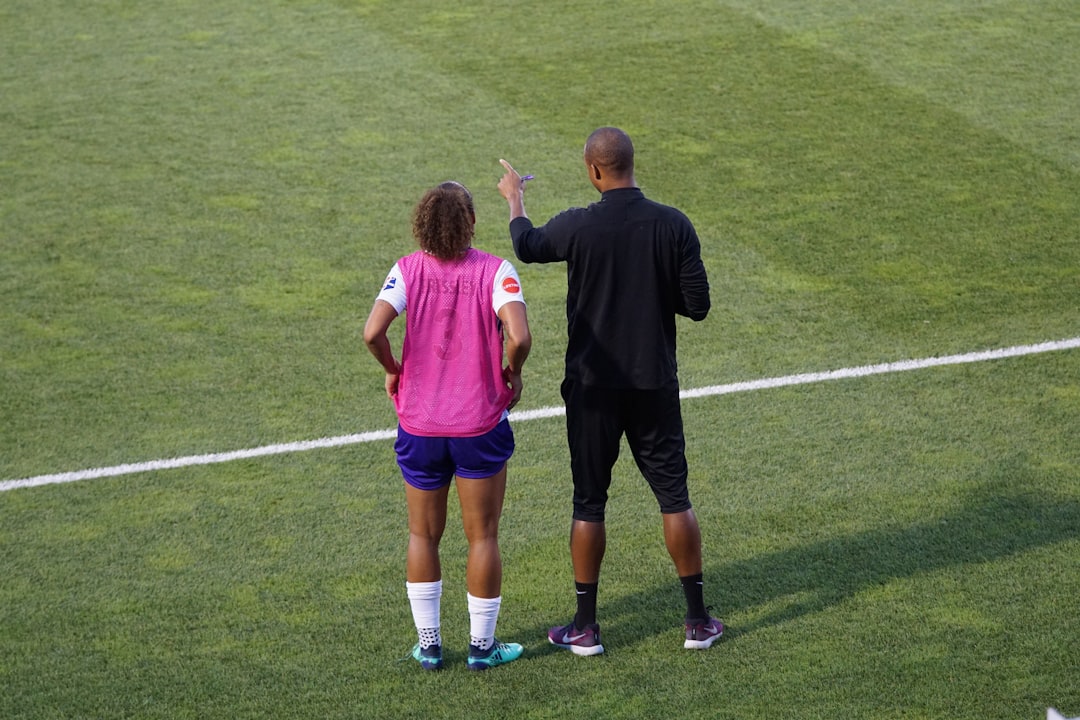
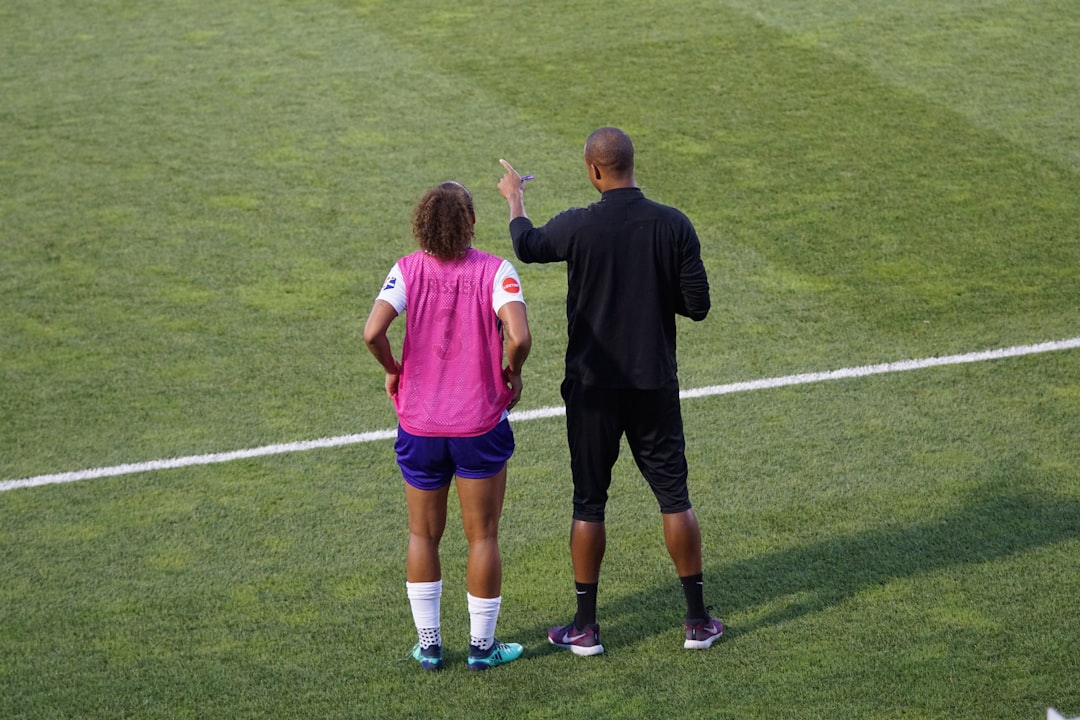
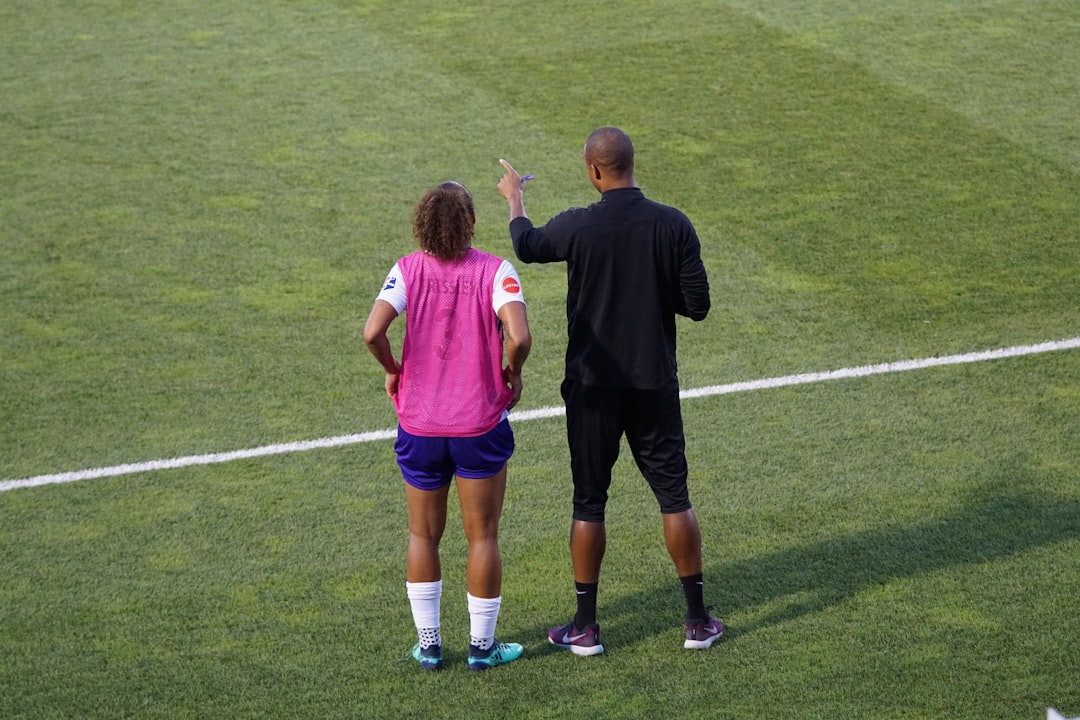
Appointing Sarfaraz Ahmed as head coach marks a pivotal shift in Pakistan’s cricketing philosophy. Known for his calm demeanor on the field, Sarfaraz brings a player‑centred approach honed during his tenure as captain and later as mentor of the Pakistan Shaheens. His previous successes include guiding the U‑19 side to the Asia Cup title in 2025 and contributing to the 2017 Champions Trophy triumph as a senior squad member.
According to crictracker.com, Sarfaraz has assembled a back‑room staff that reflects his emphasis on specialization: Asad Shafiq will oversee the batting unit, while former fast‑bowling legend Umar Gul takes charge of the pace department. This division of responsibilities is intended to deliver targeted skill development, an approach that has yielded dividends for other top‑tier cricketing nations.
The new coaching trio has already begun implementing a “red‑ball conditioning camp” at the National Cricket Academy in Lahore. Five squad members – Awais, Imam‑ul‑Haq, Ghori, Noman Ali and Sajid Khan – are currently in the intensive programme, focusing on endurance, technique and mental resilience. This pre‑series regimen aligns with modern sports science practices that prioritize injury prevention and performance optimisation, especially crucial for subcontinent tours where humidity and pitch wear can be demanding.
Strategic Emphasis on Pace
Umar Gul’s appointment suggests a renewed focus on fast bowling depth. Historically, Pakistan’s success in Test cricket has hinged on a lethal pace attack, exemplified by legends such as Wasim Akram and Waqar Younis. Gul, a former swing bowler himself, aims to revitalize seam and swing techniques, particularly with the new ball. The inclusion of Noman Ali, a left‑arm pacer who has shown promising swing in domestic circuits, highlights the intent to broaden the pace arsenal.
Batsmen’s Technical Revamp
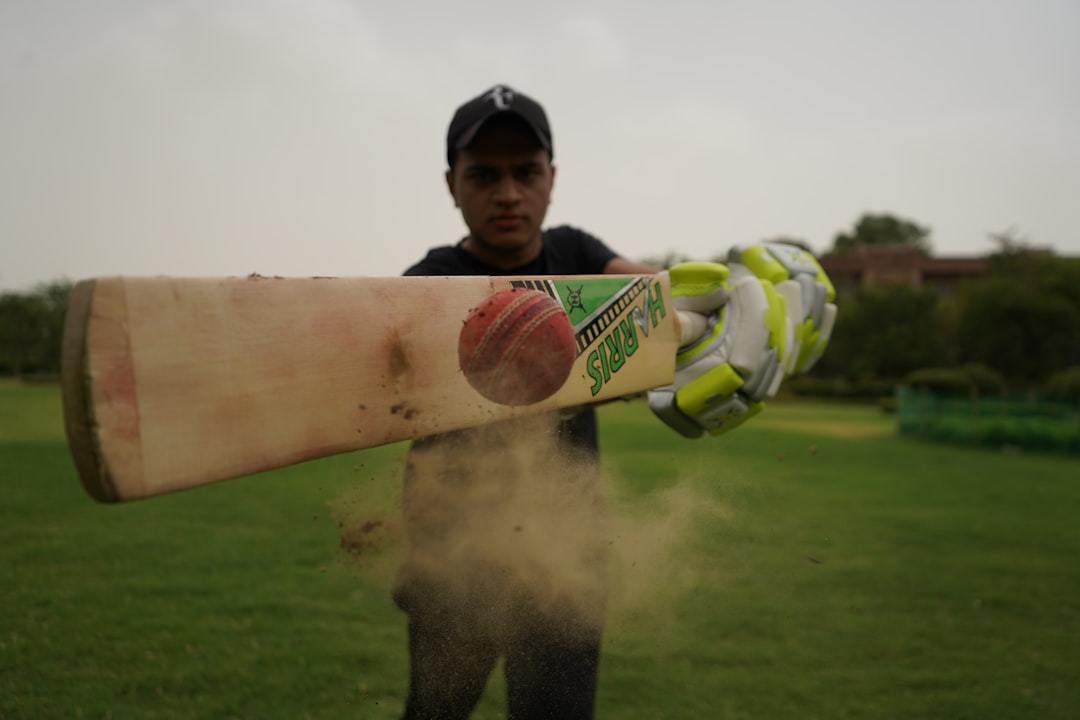
Asad Shafiq, once a mainstay in Pakistan’s middle order, brings a technical eye to the batting department. His mandate is to fine‑tune the footwork and shot selection of the top order, especially under the abrasive conditions of Bangladeshi pitches that often favour spin. The target is clear: convert promising starts into big scores, a conversion rate that has historically lagged for Pakistan in away Tests.
Contextual Challenges: Playing in Bangladesh
Bangladesh presents a distinct set of challenges for visiting Test sides. The pitches in Dhaka and Chattogram traditionally start dry and develop into turn‑friendly surfaces by the fourth day. Moreover, the high humidity can sap stamina, making the conditioning camp’s emphasis on fitness particularly relevant.
Pakistan’s previous tours of Bangladesh have been mixed. While the 2022 Test series ended in a 1‑0 win for the hosts, the 2023 encounter saw Pakistan clinch a series victory, largely due to the adaptability of their spinners and strategic use of part‑timers. Learning from those experiences, the current squad’s composition reflects an intent to balance traditional seam strength with capable spin options, even though spin specialists are not explicitly listed among the newcomers.
Potential Match‑up Scenarios
Should the first Test’s toss favour the hosts, Pakistan may need to rely on early breakthroughs from Noman Ali or Ghori to unsettle the Bangladeshi top order. Conversely, if Pakistan wins the toss, opening with Masood and Imam‑ul‑Haq could allow them to capitalize on any early seam movement before the track flattens. The middle order, anchored by Babar Azam and supported by the in‑form Fazal, will be crucial in building partnerships that withstand Bangladesh’s spin on the latter days.
Implications for Pakistan’s Long‑Term Test Aspirations
The series in Bangladesh is more than a two‑match contest; it serves as a litmus test for Pakistan’s rebuilding phase. By integrating fresh talent under a coach who understands modern cricket dynamics, the PCB aims to set a template for future tours. The performance of the four novices will be scrutinised not just for immediate impact but also for their potential role in the 2028 World Test Championship cycle.
Furthermore, the internal competition fostered by this selection could elevate the standards of domestic cricket. Young players witnessing their peers transition to the national side may be motivated to pursue consistency in first‑class performances, thereby strengthening the overall talent pool.
Projected Outcomes and Success Metrics
Success will be measured on multiple fronts: (1) securing at least a drawn series, (2) achieving a minimum of 200 runs from the batting line‑up in each innings, and (3) extracting five or more wickets from the pace attack in the first two days of each Test. Meeting these benchmarks would validate the PCB’s strategic direction and reinforce confidence in Sarfaraz Ahmed’s coaching methodology.
Conclusion: A Pivotal Moment for Pakistani Cricket
As the squad departs for Bangladesh on May 2, expectations are cautiously optimistic. The combination of a forward‑thinking coaching staff, a balanced squad infused with new talent, and a rigorous preparatory regime sets the stage for a potentially transformative series. Whether Pakistan capitalises on these advantages will shape not only the immediate result against Bangladesh but also the trajectory of its Test program for years to come.
Frequently Asked Questions
Who are the four new players in Pakistan’s Test squad?
The newcomers are Abdullah Fazal, Amad Butt, Azan Awais and Ghazi Ghori, with Ghori having already played ODIs for Pakistan.
Why was Sarfaraz Ahmed chosen as head coach?
Sarfaraz brings a player‑centred approach, extensive leadership experience, and success in youth development, making him a fitting choice to revitalize Pakistan’s Test side.
What is the main focus of the conditioning camp?
The camp concentrates on building endurance, refining technical skills and strengthening mental resilience to prepare players for the demanding conditions in Bangladesh.
How will the new coaching staff impact the team?
Batting coach Asad Shafiq will hone technique and footwork, while bowling coach Umar Gul will work on pace and swing, creating a more specialized and effective support system.
What are Pakistan’s goals for the Bangladesh Test series?
Key objectives include securing at least a drawn series, posting strong batting totals, and taking early wickets with the pace attack to set the tone for future Test success.
Related Analysis
Frequently Asked Questions
Who are the four new players in Pakistan’s Test squad?
The newcomers are Abdullah Fazal, Amad Butt, Azan Awais and Ghazi Ghori, with Ghori having already played ODIs for Pakistan.
Why was Sarfaraz Ahmed chosen as head coach?
Sarfaraz brings a player‑centred approach, extensive leadership experience, and success in youth development, making him a fitting choice to revitalize Pakistan’s Test side.
What is the main focus of the conditioning camp?
The camp concentrates on building endurance, refining technical skills and strengthening mental resilience to prepare players for the demanding conditions in Bangladesh.
How will the new coaching staff impact the team?
Batting coach Asad Shafiq will hone technique and footwork, while bowling coach Umar Gul will work on pace and swing, creating a more specialized and effective support system.
What are Pakistan’s goals for the Bangladesh Test series?
Key objectives include securing at least a drawn series, posting strong batting totals, and taking early wickets with the pace attack to set the tone for future Test success.