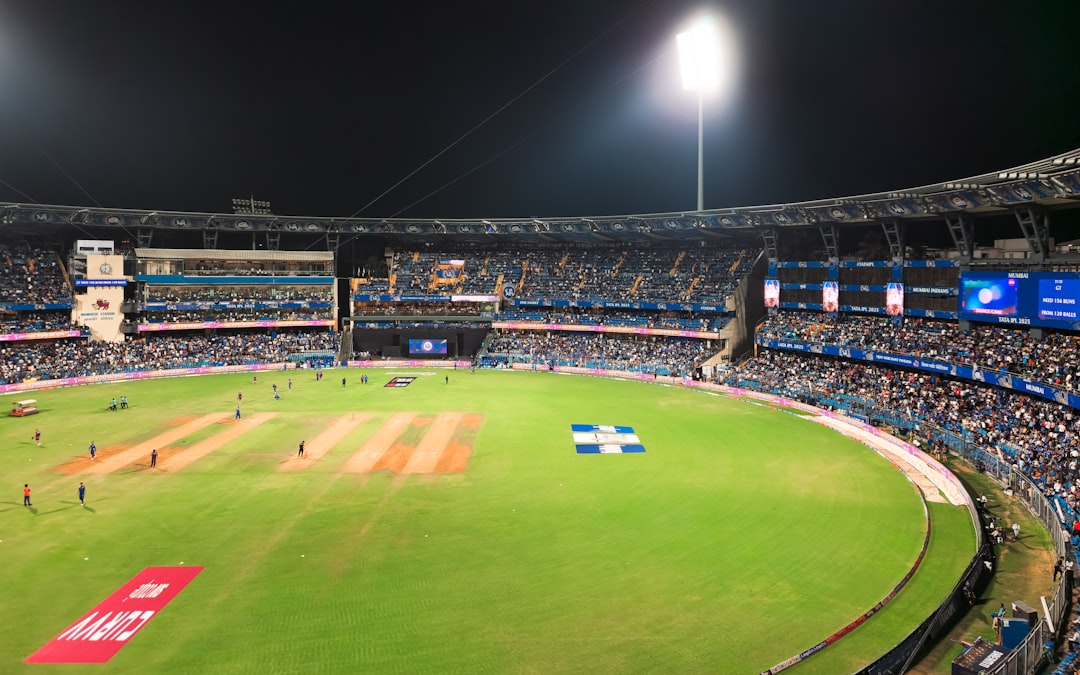
Background: The Incident that Sparked Action
During the high‑octane IPL 2026 clash between Rajasthan Royals (RR) and Royal Challengers Bengaluru (RCB), a seemingly minor infraction drew the Board of Control for Cricket in India’s (BCCI) immediate attention. Romi Bhinder, a member of the RR staff, was caught using a mobile phone inside the team’s dugout – a clear violation of the anti‑communication policy that prohibits electronic devices during play. The Anti‑Corruption Unit (ACU) investigated the breach, and the BCCI subsequently imposed a fine of INR 1 lakh on Bhinder.
Why the Dugout Ban Exists
The prohibition on phones in the dugout is not a new rule; it forms part of a broader anti‑corruption framework designed to prevent match‑fixing and insider information leaks. In recent years, the ACU has highlighted that technological devices can be exploited for real‑time betting or the illicit sharing of strategic details. By keeping the dugout a “clean zone,” the BCCI aims to ensure that the only information flowing to the pitch is legitimate, on‑field communication between players and coaches.
ACU’s Unsettling Assessment of RR Management
While the fine slapped on Bhinder was swift, the ACU’s commentary on the incident added another layer of scrutiny. According to hindustantimes.com, the ACU expressed “unsatisfaction” with the explanation offered by the RR manager for the protocol breach. The manager claimed the phone was being used for a quick health‑check on a player, but the ACU noted that the justification was vague and lacked supporting documentation.
Key Points from the ACU’s Statement
- Failure to provide a detailed log of why the phone was necessary.
- Absence of prior approval from the match referee or ACU officials.
- Potential precedent that could encourage other teams to cite “health checks” as loopholes.
Implications for Teams and Coaching Staff
The ripple effect of this incident reaches beyond a single fine. Teams now face heightened scrutiny, which could translate into stricter internal monitoring and revised protocols for any technology‑related emergencies. Coaching staff, who traditionally acted as the bridge between players and administrators, must now document every instance where non‑standard devices are introduced into the dugout.
Operational Adjustments Teams May Adopt
- Designated “technology officers” to maintain a log of device usage.
- Pre‑match briefings that reinforce anti‑communication policies.
- Real‑time electronic verification tools that alert officials if a phone is detected in restricted zones.
Broader Governance Challenges for the IPL
The IPL, as a commercial juggernaut, constantly balances entertainment value with regulatory compliance. Incidents like Bhinder’s breach highlight the tension between a fast‑paced tournament and the need for rigorous oversight. The BCCI’s decisive response may act as a deterrent, but it also raises questions about the consistency and transparency of enforcement across franchises.






Consistency Across Franchises
Historically, disciplinary actions have varied, with some teams receiving lighter penalties for comparable violations. The uniform fine of INR 1 lakh sets a baseline, yet without a publicly accessible disciplinary matrix, teams may still interpret the rules differently. Advocacy groups have called for a published “code of conduct” that delineates fines, points deductions, and potential suspensions based on the severity of infractions.
Technology’s Double‑Edged Sword
While banning phones mitigates corruption risk, it also limits legitimate health‑monitoring technologies that could enhance player safety. Wearable sensors, real‑time biometric analytics, and instant medical consultation apps are increasingly essential in high‑intensity sports. The ACU’s blanket restriction on mobile devices may inadvertently hamper medical reporting, unless clear exemptions are defined.

Potential Policy Revisions
- Establish a whitelist of medical applications approved by the ACU.
- Require teams to submit a “technology utilization plan” before the season starts.
- Introduce a rapid‑approval process for emergency device use during matches.
Future Outlook: Strengthening Integrity While Embracing Innovation
The BCCI’s handling of the Romi Bhinder case underscores a turning point: the governing body is willing to impose tangible penalties, but it must also evolve its framework to accommodate legitimate technological advances. Stakeholders—players, coaches, medical staff, and franchise owners—need a collaborative platform to discuss and refine policies.

What the Cricket Community Can Expect
- More Transparent Disciplinary Procedures: Public disclosures of violations and penalties will likely become standard, fostering trust among fans and sponsors.
- Enhanced Training for Staff: Workshops on anti‑corruption rules and permissible device usage will become mandatory for all franchise personnel.
- Integration of Secure Medical Tech: Partnerships with vetted tech firms could provide approved devices that satisfy both health and anti‑corruption standards.
Ultimately, the incident serves as a reminder that the IPL’s global appeal rests on the integrity of its competition. By tightening enforcement while allowing room for innovation, the BCCI can safeguard the tournament’s reputation and set a benchmark for cricket leagues worldwide.
Frequently Asked Questions
What was the exact penalty imposed on Romi Bhinder?
The BCCI fined Romi Bhinder INR 1 lakh for breaching the dugout phone prohibition during the RR vs RCB match.
Why did the ACU find the RR manager’s explanation unsatisfactory?
The manager claimed the phone was used for a health check but did not provide detailed logs or prior approval, leaving the ACU unconvinced of the necessity.
Will other IPL teams face similar fines for comparable violations?
Yes, the BCCI’s recent action sets a precedent, indicating that any team found using unauthorized devices in the dugout could be subject to similar penalties.
How can teams use technology for player health without violating anti‑corruption rules?
Teams should seek ACU‑approved medical apps, maintain official logs of device usage, and obtain pre‑match clearance for any non‑standard technology.
What steps is the BCCI taking to ensure consistent enforcement across franchises?
The board is expected to publish a detailed code of conduct outlining fines, procedural steps, and exemption criteria to promote uniform compliance among all IPL franchises.
Related Analysis
Frequently Asked Questions
What was the exact penalty imposed on Romi Bhinder?
The BCCI fined Romi Bhinder INR 1 lakh for breaching the dugout phone prohibition during the RR vs RCB match.
Why did the ACU find the RR manager’s explanation unsatisfactory?
The manager claimed the phone was used for a health check but did not provide detailed logs or prior approval, leaving the ACU unconvinced of the necessity.
Will other IPL teams face similar fines for comparable violations?
Yes, the BCCI’s recent action sets a precedent, indicating that any team found using unauthorized devices in the dugout could be subject to similar penalties.
How can teams use technology for player health without violating anti‑corruption rules?
Teams should seek ACU‑approved medical apps, maintain official logs of device usage, and obtain pre‑match clearance for any non‑standard technology.
What steps is the BCCI taking to ensure consistent enforcement across franchises?
The board is expected to publish a detailed code of conduct outlining fines, procedural steps, and exemption criteria to promote uniform compliance among all IPL franchises.