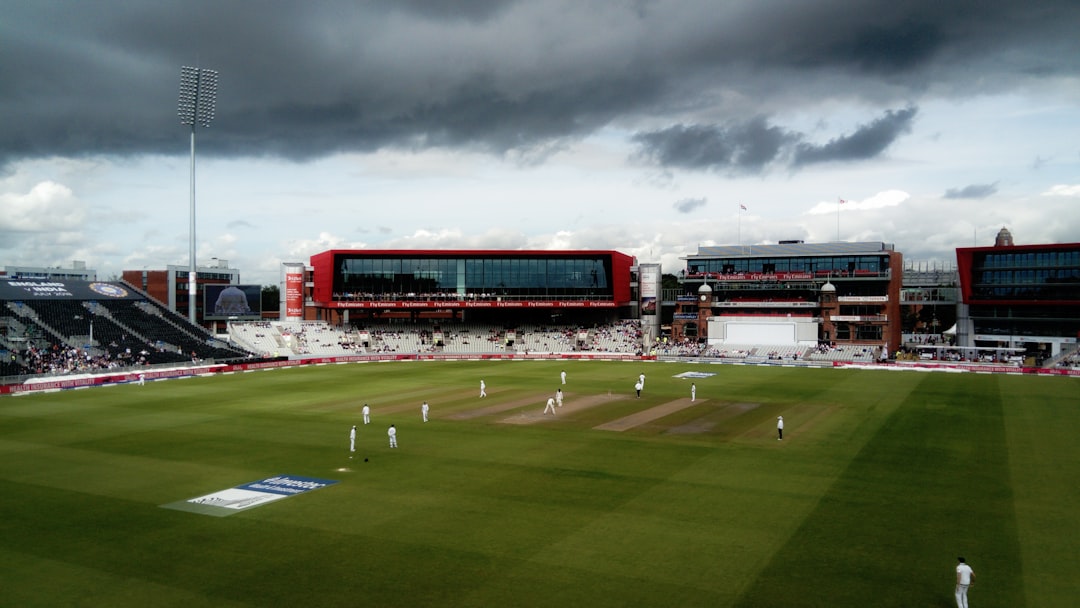
An Ashes Tour to Forget
The recent Ashes tour in Australia was not just a disappointment for England’s cricket team; it was a campaign riddled with errors and underwhelming performances. Words like “feckless, reckless, and legless,” as described by the esteemed Wisden Almanack, painted a vivid picture of England’s struggles on the field. Such descriptors reflect not just the results, but a broader malaise potentially affecting English cricket at various levels.
The Collapse of English Cricket Strategy
England’s playing strategy in the recent Ashes series against Australia was plagued by inconsistencies and questionable decisions. The team seemed unprepared for Australia’s aggressive play, leaving fans and analysts frustrated. While the prowess of Australian bowlers Mitchell Starc and Pat Cummins should indeed be acknowledged, England’s lack of resilience and adaptability stood out. According to BBC Sport, such lapses underlined a worrying trend in strategic planning at the top.
Tactical Misjudgments
England’s approach to batting remained a significant issue, marked by overly aggressive tactics that often backfired. The team’s top order consistently struggled against Australia’s fast-paced deliveries, resulting in premature dismissals. This chronic inability to adapt poses serious questions about England’s preparation and their ability to execute plans under pressure. Furthermore, the bowling unit, despite moments of brilliance, often lacked the tactical clarity necessary to challenge Australia’s formidable lineup effectively.
What Went Wrong Off the Field?
Behind the scenes, the failures could be ascribed as much to management as to the players themselves. Poor squad selection and inadequate mental conditioning were evident as the series unfolded. The absence of a stable leadership structure only exacerbated on-field woes. This lack of cohesion suggests deeper structural issues within the English cricket board that need addressing.
Improving Selection Policies
A critical examination of the selection process is vital. Selection based on current form and fitness, rather than reputation, could ensure a more robust team equipped to adapt to varying conditions. Moreover, infusing the team with young, energetic players could provide the dynamism and hunger needed to rejuvenate England’s T20 and Test squads.
Mental Resilience Training
Some pundits argue that psychological conditioning should be prioritized along with physical training. Given the psychological strain of international cricket, boosting mental resilience can help players withstand pressure situations better, ultimately reflecting in their performance during high-stakes matches.
Learning and Moving Forward
While the harsh critique from Wisden highlights critical failings, it also serves as a wake-up call for changes that could prevent future debacles. The lessons from the recent series stress the importance of rebuilding the team’s foundation through better preparation, cohesive strategy, and constructive leadership.
Brighter Prospects on the Horizon
Despite the current challenges, the future of English cricket holds promise. Young talents such as Ollie Pope and Zak Crawley are already making their mark. With proper nurturing, these players can become core components of a revitalized cricket team. England’s rich talent pool must be harnessed through innovative coaching methods and a stronger domestic cricket league.
Focus on Long-term Development
To regain their stronghold in international cricket, England must commit to long-term player development programs. Spotlighting new talent through domestic competitions and academies could ensure a steady pipeline of skilled players ready to take on international challenges.
Frequently Asked Questions
What were the major criticisms of England’s Ashes performance?
The major criticisms revolved around England’s lack of preparedness, tactical misjudgments, poor selection choices, and an inability to adapt to Australian conditions, leading to subpar performances.
How can England improve their cricketing strategy?
To improve their strategy, England should focus on versatile playing tactics, rigorous mental and physical preparation, and ensure that selection is merit-based, emphasizing current form and fitness.
What role does mental conditioning play in cricket?
Mental conditioning is crucial as it helps players handle pressure, make better decisions under stress, and maintain focus throughout long and grueling matches.
Who are some promising players in the England cricket team?
Ollie Pope and Zak Crawley are among England’s promising players. Nurturing their potential could help build a strong future team core.
What steps should England take to rebuild their team?
England should invest in long-term player development programs, modern coaching techniques, and ensure a robust domestic cricket infrastructure to identify and prepare future stars.
New to the detail here? Read about the types of dismissals in cricket.
Related Analysis
Frequently Asked Questions
What Went Wrong Off the Field?
Behind the scenes, the failures could be ascribed as much to management as to the players themselves. Poor squad selection and inadequate mental conditioning were evident as the series unfolded. The absence of a stable leadership structure only exacerbated on-field woes. This lack of cohesion suggests deeper structural issues within the English cricket board that need addressing.
What were the major criticisms of England's Ashes performance?
The major criticisms revolved around England's lack of preparedness, tactical misjudgments, poor selection choices, and an inability to adapt to Australian conditions, leading to subpar performances.
How can England improve their cricketing strategy?
To improve their strategy, England should focus on versatile playing tactics, rigorous mental and physical preparation, and ensure that selection is merit-based, emphasizing current form and fitness.
What role does mental conditioning play in cricket?
Mental conditioning is crucial as it helps players handle pressure, make better decisions under stress, and maintain focus throughout long and grueling matches.
Who are some promising players in the England cricket team?
Ollie Pope and Zak Crawley are among England's promising players. Nurturing their potential could help build a strong future team core.
What steps should England take to rebuild their team?
England should invest in long-term player development programs, modern coaching techniques, and ensure a robust domestic cricket infrastructure to identify and prepare future stars. New to the detail here? Read about the types of dismissals in cricket.