From Skepticism to Celebration: The Unexpected Arrival of Vaibhav Sooryavanshi
When the 2025 IPL season opened, the cricketing world was abuzz with a story that sounded more like urban legend than reality: a 14‑year‑old prodigy named Vaibhav Sooryavanshi had secured a place in the Rajasthan Royals squad. Even the architect of the league, Lalit Modi, confessed that his first reaction was disbelief. “Is this real?” he wondered, recalling the moment he first saw the teenager’s name on the team sheet.
Why the Doubt Was Natural
Historically, IPL franchises have shied away from fielding players under the age of 18, mainly because of the physical demands of a high‑intensity tournament and the need for seasoned temperament. The league’s youngest debutants, such as Prithvi Shaw and Riyan Parag, were already in their late teens when they first stepped onto the field. Consequently, a 14‑year‑old not only challenged the status quo but also raised questions about player welfare, legal guardianship, and eligibility under the Board of Control for Cricket in India’s (BCCI) regulations.
The Role of the Rajasthan Royals’ Scouting Network
Rajasthan Royals, known for their willingness to take calculated risks on raw talent, identified Sooryavanshi during a regional U‑15 tournament where his unorthodox stroke‑play and calm under pressure caught the eye of senior scouts. The franchise’s chief mentor, who prefers to stay out of the limelight, described Vaibhav’s technique as “ahead of his years,” citing his ability to read line and length with a maturity usually reserved for senior international players.
Strategic Implications for IPL Teams
The inclusion of a player as young as Sooryavanshi forces franchises to reconsider their talent pipelines. Traditionally, IPL teams have relied heavily on the Indian Premier League’s auction system to acquire established stars. However, Vaibhav’s meteoric rise underscores the value of early talent identification and long‑term player development programs. Clubs that invest in regional academies, data‑driven scouting, and mentorship can potentially unearth the next generation of cricketing phenoms before they become marketable commodities.
Balancing Risk and Reward
Young players bring a blend of raw energy and unpredictability, which can be a double‑edged sword in the high‑stakes environment of the IPL. While Vaibhav’s debut innings—an explosive 32 runs off 18 balls—earned him applause, it also highlighted the need for strategic management of his workload. The Royals’ coaching staff implemented a carefully curated schedule, limiting his exposure to five overs per match and providing a sports‑psychology support system to nurture his mental resilience.
Impact on BCCI’s Age Policy Debates
The BCCI has routinely faced criticism for its lack of clear guidelines regarding under‑age participation in domestic tournaments. Vaibhav’s entry into the IPL reignited conversations among administrators, former players, and child‑welfare advocates. According to hindustantimes.com, “the cricket board is now reviewing its minimum age criteria, with some suggesting a floor of 16 years for professional formats.” This pending policy shift could reshape the talent pipeline, ensuring that future prodigies are introduced at an age that balances developmental needs with competitive fairness.



Socio‑Cultural Ripple Effects
Beyond the boundary ropes, Vaibhav’s story resonated deeply with India’s youth, inspiring a new wave of cricket aspirants. Social media platforms saw a surge in user‑generated content celebrating the teenager’s achievements, while grassroots coaching camps reported increased enrollment numbers. Parents, too, took note, debating the merits of early specialization versus a more balanced approach to sport and education.
Marketing and Brand Opportunities
Brands swiftly recognized Vaibhav’s marketability. Within weeks of his debut, his image appeared on youth‑focused advertising campaigns, linking cricketing excellence to academic ambition. This synergy between sport and education sectors amplifies the narrative that talent can blossom at any age, provided there’s a supportive ecosystem.

Lessons for Emerging Cricketers
The journey of Vaibhav Sooryavanshi offers a blueprint for budding athletes: relentless practice, mental fortitude, and the right mentorship can accelerate a player’s rise. Yet, his experience also underscores the importance of safeguards—physical conditioning, psychological counseling, and a nurturing environment—to ensure sustainable growth.
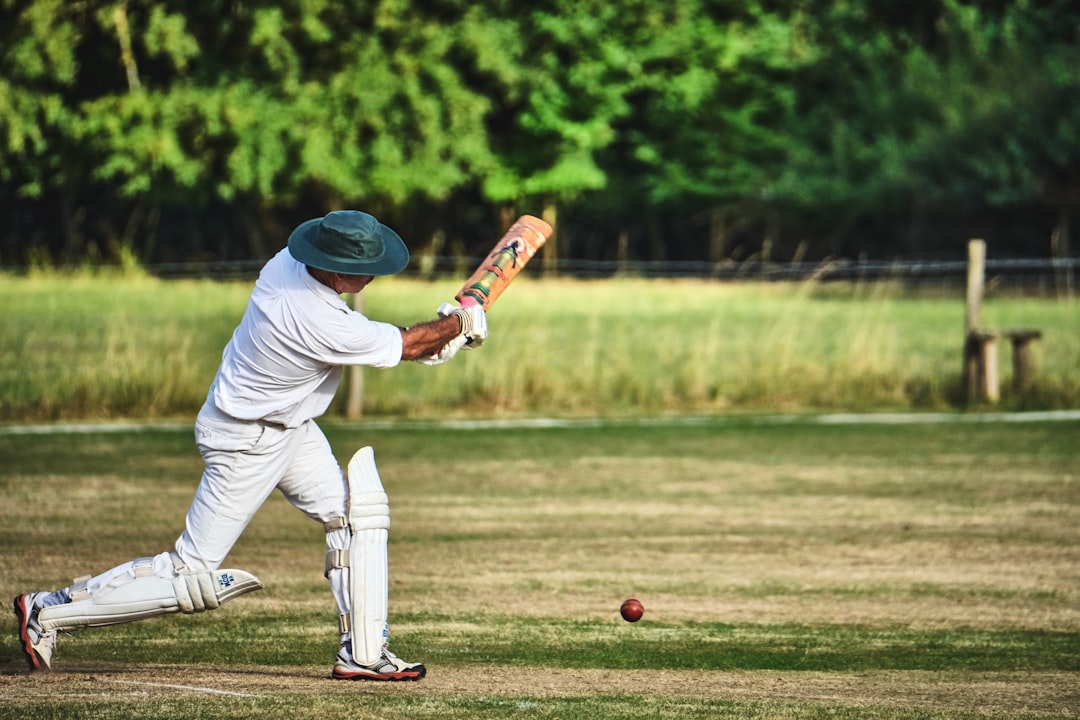
Looking Ahead: The Future of Youth Integration in the IPL
Vaibhav’s ascendancy may well be a harbinger of a broader shift. As data analytics become more sophisticated, franchises can identify high‑potential players at ever‑younger ages, employing biometric assessments to gauge readiness. The integration of AI‑driven performance models could further refine selection processes, reducing reliance on gut instinct alone.
Potential Pathways for Future Teens
Imagine a scenario where a 13‑year‑old’s swing metrics align with those of seasoned bowlers. With appropriate safeguards, such a talent could be fast‑tracked through elite academies, receiving tailored training modules, nutrition plans, and injury‑prevention protocols. This systematic approach could transform the IPL into a platform not just for entertainment, but also for nurturing the next generation of cricket legends.
Conclusion: A New Chapter in IPL History
Lalit Modi’s initial doubt—“Is this real?”—has evolved into a broader acknowledgment that age, while a factor, need not be a barrier to excellence. Vaibhav Sooryavanshi’s story challenges entrenched notions and opens doors for a more inclusive, talent‑centric future. The IPL, once a haven for established stars, now stands at the cusp of a youth revolution, promising fans breathtaking performances and franchises fresh strategic horizons.
Frequently Asked Questions
What age did Vaibhav Sooryavanshi debut in the IPL?
Vaibhav made his IPL debut at the astonishing age of 14 during the 2025 season.
Why was Lalit Modi initially skeptical about Vaibhav’s age?
Modi’s skepticism stemmed from the rarity of such young players in the league and concerns about the physical and mental demands of professional cricket on a teenager.
How did the Rajasthan Royals manage Vaibhav’s workload?
The team limited his overs to five per match, provided specialized fitness coaching, and engaged a sports psychologist to support his mental well‑being.
Will the BCCI change its age eligibility rules after this season?
Discussions are underway, with some officials proposing a minimum age of 16 for professional formats, though no final decision has been announced yet.
Can other IPL teams follow the Royals’ example of signing very young talent?
Yes, but success will depend on robust scouting, proper player care, and adherence to any future age‑related regulations the BCCI may implement.
Related Analysis
Frequently Asked Questions
What age did Vaibhav Sooryavanshi debut in the IPL?
Vaibhav made his IPL debut at the astonishing age of 14 during the 2025 season.
Why was Lalit Modi initially skeptical about Vaibhav’s age?
Modi’s skepticism stemmed from the rarity of such young players in the league and concerns about the physical and mental demands of professional cricket on a teenager.
How did the Rajasthan Royals manage Vaibhav’s workload?
The team limited his overs to five per match, provided specialized fitness coaching, and engaged a sports psychologist to support his mental well‑being.
Will the BCCI change its age eligibility rules after this season?
Discussions are underway, with some officials proposing a minimum age of 16 for professional formats, though no final decision has been announced yet.
Can other IPL teams follow the Royals’ example of signing very young talent?
Yes, but success will depend on robust scouting, proper player care, and adherence to any future age‑related regulations the BCCI may implement.