From Classroom to Cricket Ground: A Phenomenal Debut
When the Rajasthan Royals unveiled their teenage prodigy, Vaibhav Sooryavanshi, the buzz was immediate but cautious. The IPL, now in its 2026 edition, has become a launchpad for early talent, yet few have matched the impact of a player who, at just 14, has already chalked up two half‑centuries and a strike‑rate of 263.16. This level of performance is unprecedented for someone still in middle school, and it has forced analysts to rethink the age‑old belief that a cricketer’s prime begins in the early twenties.
The Numbers That Speak
The raw statistics are eye‑catching: two fifties in less than ten innings, a boundary every 4.5 balls, and a capacity to dominate bowlers across formats. What makes Sooryavanshi’s case even more compelling is his versatility. He opens the innings with a power‑packed approach, yet his footwork against spin and his ability to cut loose in pressure situations reveal a maturity beyond his years. In a tournament where seasoned internationals are vying for a spot in the side, his contributions have directly propelled Rajasthan Royals to the top of the league table.
Why Vaibhav Sooryavanshi Stands Out
Talent alone does not guarantee success. The blend of mental fortitude, technical skill, and a clear vision set Sooryavanshi apart from his peers. Observers have highlighted three core attributes:
Fearless Mindset
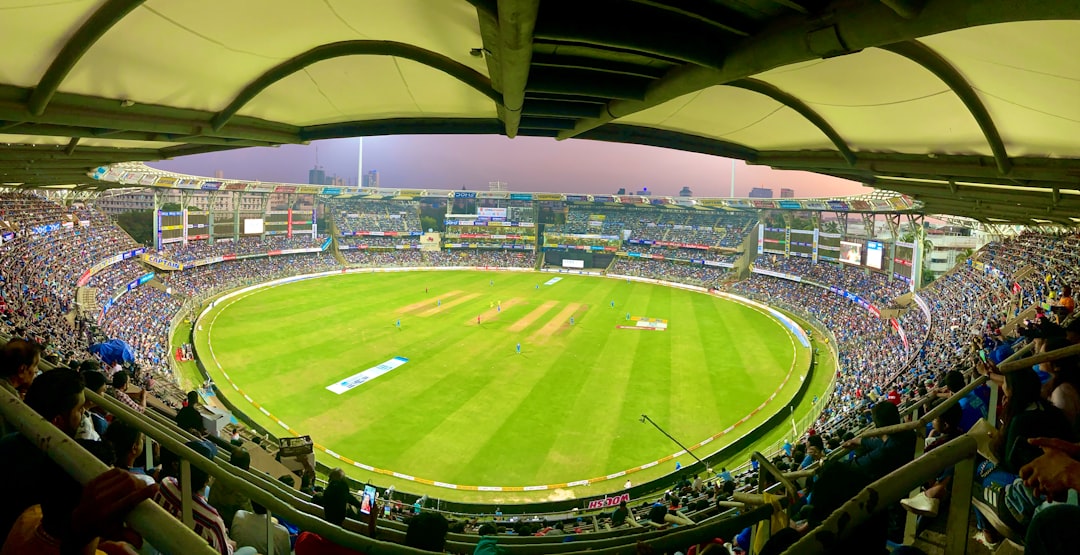
From the moment he stepped onto the Wankhede pitch, Sooryavanski displayed a confidence that belied his age. He attacks every delivery, refusing to be pigeonholed as a ‘young player’ who needs to be nurtured with caution. This aggressive stance is reminiscent of early‑career Virat Kohli, whose self‑assurance became his trademark.
Technical Acumen
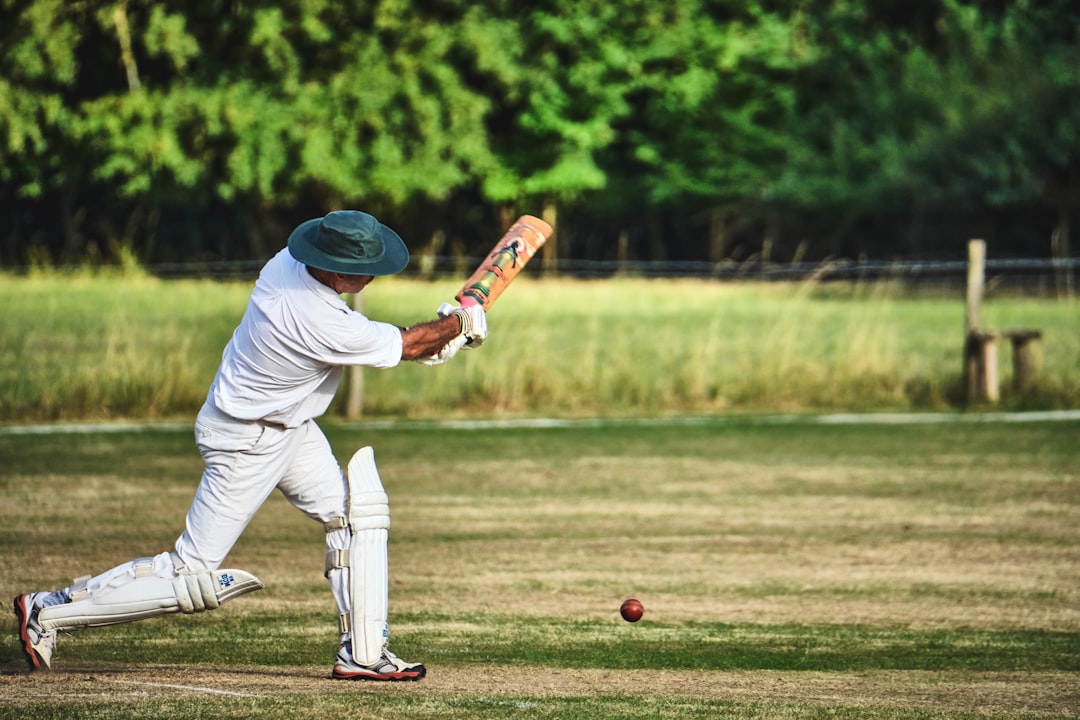
His technique is built on a solid foundation—balanced stance, crisp footwork, and a full‑bat swing that generates both power and timing. The ability to play across the crease, coupled with a well‑timed pull and adeptness against short balls, suggests a training regimen that has been meticulously crafted.
Advanced Game Awareness
Vaibhav reads bowlers with an intuition often seen in players with far more experience. He adjusts his shot selection in real time, rotating the strike when needed and accelerating when the situation demands. Such situational awareness is a hallmark of modern cricket’s most successful batsmen.
The Challenge of Managing Teenage Prodigies
Lalit Modi, the former IPL chairman, has warned that early fame can become a double‑edged sword. While he extolled Sooryavanshi’s potential, he also stressed the importance of a protective framework to guide the youngster through the pitfalls that have plagued other early stars.
Balancing Exposure and Pressure
Young athletes often face intense media scrutiny, commercial expectations, and the temptation of extravagant lifestyle choices. For a 14‑year‑old, navigating contract negotiations, endorsement deals, and the social media frenzy requires a support system that extends beyond the dressing room. The on‑field performance must be matched with off‑field education about financial literacy and personal branding.





The Role of Mentors and Coaches
Coaches at the Rajasthan Royals have a unique responsibility. They must harness his raw talent while shielding him from burnout. Structured workload management, psychological counseling, and a clear career roadmap are essential. The club’s current approach—integrating veteran players like Sanju Samson as both mentors and anchors—offers a promising template.
Learning from Past Cases
History offers cautionary tales: prodigies such as Mohammad Amir and Prithvi Shaw experienced turbulence when early success collided with heightened expectations. Their journeys underline the need for consistent guidance, measured exposure, and a focus on long‑term development rather than immediate commercial gain.

What This Means for Indian Cricket’s Future
If Sooryavanshi continues on this trajectory, the Indian cricketing ecosystem could witness a shift in talent development. The conventional pathway—domestic first‑class cricket followed by IPL and then the national team—might evolve into a faster pipeline where teenage talent directly transitions to international cricket.
Accelerating the Talent Pipeline
His performances could encourage selectors to consider younger players for senior squads, especially in limited‑overs formats where aggression and adaptability are prized. This could lead to the earlier integration of youthful exuberance into the Indian team, potentially rejuvenating a side that has, at times, seemed reliant on the same core group of veterans.
Commercial Implications
A teenage icon becomes a marketing goldmine. Brands targeting the youth demographic will likely vie for his endorsement, redefining the commercial landscape around cricket in India. However, this also raises ethical questions about safeguarding a minor’s image rights and ensuring he is not exploited.
Strategic Adjustments for Domestic Structures
State associations may revamp their age‑group programs, providing more competitive exposure to promising youngsters. Increased investment in coaching, analytics, and sports psychology at the junior level could become standard practice, inspired by the success story of Sooryavanshi.
International Competitiveness
Other cricketing nations will take note. The ability to produce a world‑class batsman at such a young age can give India a strategic edge, especially in fast‑pitch conditions where natural aggression counts. Opponents will need to devise strategies that counter his fearless style, potentially leading to a tactical evolution across the sport.
Social Impact
Beyond the boundary, Vaibhav’s rise serves as an aspirational story for millions of Indian children. It underscores that age need not be a barrier when talent, hard work, and the right mentorship align. Schools and cricket academies may harness this narrative to motivate participation, fostering a broader base of talent for the future.
According to crictracker.com, the buzz around Sooryavanshi is not just a fleeting media sensation; it is anchored in performance metrics that, if sustained, could rewrite the playbook for nurturing cricketing phenoms in India.
Frequently Asked Questions
Who is Vaibhav Sooryavanshi?
Vaibhav Sooryavanshi is a 14‑year‑old batsman for the Rajasthan Royals in the IPL 2026 season, known for scoring two half‑centuries and maintaining a strike‑rate above 260.
How has he performed in the IPL so far?
He has played fewer than ten innings, recorded two fifties, and demonstrated a fearless attacking style, contributing significantly to his team’s early success.
What does Lalit Modi say about his potential?
Lalit Modi, former IPL chairman, believes Sooryavanshi could become “the new face of Indian cricket,” citing his confidence, composure, and maturity despite his young age.
What challenges might he face as a teenage star?
He could encounter media pressure, commercial distractions, and the risk of burnout. Proper mentorship, workload management, and off‑field education are critical for his long‑term development.
Could Vaibhav be selected for the Indian national team?
If his performance remains consistent and he continues to develop technically and mentally, selectors may consider him for limited‑overs squads, potentially fast‑tracking his international debut.
For more on the cricket behind the headline, see the pull shot technique.
Frequently Asked Questions
Who is Vaibhav Sooryavanshi?
Vaibhav Sooryavanshi is a 14‑year‑old batsman for the Rajasthan Royals in the IPL 2026 season, known for scoring two half‑centuries and maintaining a strike‑rate above 260.
How has he performed in the IPL so far?
He has played fewer than ten innings, recorded two fifties, and demonstrated a fearless attacking style, contributing significantly to his team’s early success.
What does Lalit Modi say about his potential?
Lalit Modi, former IPL chairman, believes Sooryavanshi could become “the new face of Indian cricket,” citing his confidence, composure, and maturity despite his young age.
What challenges might he face as a teenage star?
He could encounter media pressure, commercial distractions, and the risk of burnout. Proper mentorship, workload management, and off‑field education are critical for his long‑term development.
Could Vaibhav be selected for the Indian national team?
If his performance remains consistent and he continues to develop technically and mentally, selectors may consider him for limited‑overs squads, potentially fast‑tracking his international debut. For more on the cricket behind the headline, see the pull shot technique.