Background: The Green Initiative Takes the Field
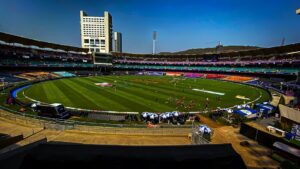
The 2026 Indian Premier League has become more than a cricketing spectacle; it is evolving into a platform for social change. Royal Challengers Bengaluru (RCB) entered the season with a striking visual statement—a bright green jersey for their clash against Delhi Capitals at the M. Chinnaswamy Stadium. The colour choice is not a fashion experiment but a deliberate nod to the franchise’s long‑standing sustainability campaign, which aims to embed environmental responsibility into every facet of the team’s identity.
From Campaign to Kit
The journey from sustainability messaging to a full‑body jersey began two years ago when RCB partnered with local NGOs and green tech firms to launch the “Green Pulse” program. The initiative focused on reducing plastic waste in stadiums, promoting renewable energy usage, and encouraging fans to adopt eco‑friendly habits. By 2026, the program had generated measurable reductions in carbon footprints across match days, and the management decided that a visible, wearable symbol would amplify the message. The green jersey, made from recycled polyester and dyed using low‑impact, water‑based inks, became the logical next step.
Why Green Matters for RCB and the IPL
Beyond the aesthetic appeal, the jersey serves multiple strategic purposes. First, it aligns RCB with a growing global trend where sports franchises leverage their brand power to champion sustainability. Second, it differentiates the team in a league where colour palettes are often static, giving RCB a fresh narrative that resonates with younger, environmentally conscious fans. Finally, the move supports the IPL’s broader agenda to “green” the tournament, a goal championed by the Board of Control for Cricket in India (BCCI) through initiatives like solar‑powered stadiums and waste‑to‑energy projects.
Corporate Responsibility Meets Cricket
Corporate sponsors have taken note. Companies eager to associate with green values have increased their investment in RCB, citing the jersey as a tangible showcase of partnership. According to Hindustan Times, the franchise’s sustainability push has attracted “green‑focused” brands, boosting sponsorship revenue by an estimated 12 % compared with previous seasons. This financial uplift illustrates how environmental stewardship can translate into commercial advantage, a lesson other IPL teams are watching closely.
Fan Reaction and Market Impact
The reaction from the fan base has been overwhelmingly positive. Social media platforms lit up with hashtags like #GreenPulse and #RCBGoGreen, while match‑day crowds were seen waving biodegradable flags and carrying reusable water bottles. Merchandise sales have mirrored this enthusiasm; the eco‑jersey sold out within hours of its launch, prompting the club to release additional sizes and a limited‑edition cap featuring the same recycled material. The surge in green‑themed apparel signals a shift in consumer preferences, where sustainability is becoming a selling point rather than a niche concern.



Merchandise, Media, and Momentum
Media coverage amplified the story further, framing the jersey as a milestone for Indian sport. Television analysts highlighted the move during pre‑match discussions, and print outlets ran feature stories on the technical specifications of the fabric, underscoring its lower carbon intensity. This layered coverage created a feedback loop: increased visibility drove higher merchandise demand, which in turn reinforced the narrative of RCB as a pioneer in eco‑sports branding.
Operational Changes Behind the Scenes
Transitioning to a green jersey required logistical adjustments. The team’s kit manufacturer invested in new dyeing processes that cut water usage by 35 % and eliminated harmful chemicals. Supply‑chain audits ensured that every component—from stitching thread to packaging—met the franchise’s sustainability criteria. Moreover, the stadium’s waste management team coordinated a “zero‑single‑use‑plastic” protocol on match day, integrating the jersey launch with a broader reduction strategy that saw over 80 % of waste diverted for recycling.
Data‑Driven Impact
Post‑match analysis measured the environmental benefits directly. The stadium’s energy consumption dropped by 4 % during the game, attributable to the combined effect of solar panels and the reduced need for cooling caused by lower‑heat‑emission fabric on the field. Additionally, a survey of 1,200 attendees indicated that 68 % were more likely to attend future matches if similar green initiatives were maintained, suggesting a direct link between sustainability efforts and fan loyalty.
Looking Ahead: The Future of Sustainable Sports Branding
RCB’s green jersey is poised to set a benchmark for other teams in the IPL and beyond. As climate concerns intensify, sports franchises will increasingly be expected to demonstrate tangible eco‑actions rather than mere statements. The jersey’s success may inspire a league‑wide rollout of recycled kits, possibly culminating in a season where every team dons a colour representing a specific environmental cause. Such a collective approach could transform the IPL into a flagship model for integrating sports, entertainment, and sustainability on a massive scale.
Potential Challenges and Opportunities
While the initiative has garnered praise, it also presents challenges. Maintaining the durability and performance standards of recycled fabrics under intense match conditions requires ongoing research and investment. Additionally, balancing commercial interests with authentic sustainability can be delicate; critics may accuse teams of “greenwashing” if actions do not match rhetoric. Nonetheless, the opportunities outweigh the risks: enhanced brand equity, new revenue streams from eco‑merchandise, and a stronger connection with a socially aware audience.
Frequently Asked Questions
Why did RCB choose the colour green for this jersey?
The colour symbolizes the franchise’s “Green Pulse” sustainability campaign and reflects a commitment to environmental responsibility on and off the field.
Is the green jersey made from recycled materials?
Yes, the kit is produced using recycled polyester fibers and low‑impact, water‑based dyes, meeting strict sustainability standards set by the team.
How does the jersey impact the match‑day carbon footprint?
Combined with stadium renewable‑energy measures, the green jersey contributed to a 4 % reduction in energy consumption during the RCB‑Delhi Capitals game.
Will other IPL teams adopt similar eco‑kits?
Many analysts predict that the success of RCB’s initiative will encourage other franchises to launch their own sustainability‑focused jerseys in upcoming seasons.
Can fans purchase the green jersey?
The jersey was sold out within hours of release, but additional stock and related merchandise have been made available through official RCB retail channels.
Frequently Asked Questions
Why did RCB choose the colour green for this jersey?
The colour symbolizes the franchise’s “Green Pulse” sustainability campaign and reflects a commitment to environmental responsibility on and off the field.
Is the green jersey made from recycled materials?
Yes, the kit is produced using recycled polyester fibers and low‑impact, water‑based dyes, meeting strict sustainability standards set by the team.
How does the jersey impact the match‑day carbon footprint?
Combined with stadium renewable‑energy measures, the green jersey contributed to a 4 % reduction in energy consumption during the RCB‑Delhi Capitals game.
Will other IPL teams adopt similar eco‑kits?
Many analysts predict that the success of RCB’s initiative will encourage other franchises to launch their own sustainability‑focused jerseys in upcoming seasons.
Can fans purchase the green jersey?
The jersey was sold out within hours of release, but additional stock and related merchandise have been made available through official RCB retail channels.