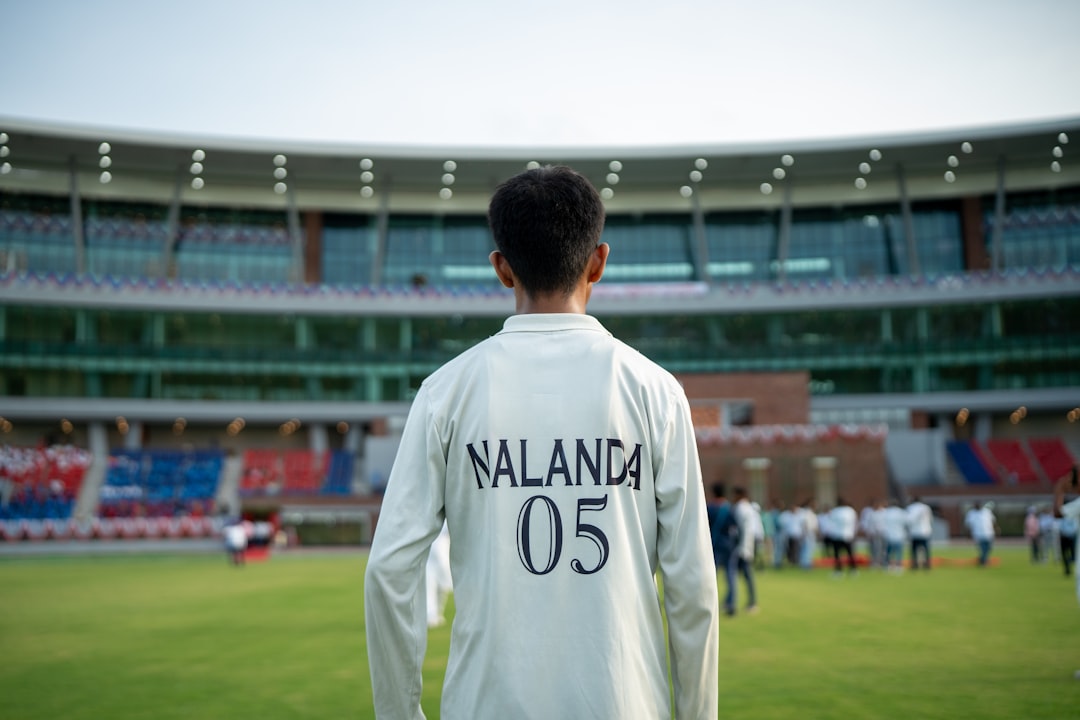
Why the T20 Captain Is Rethinking His Role
In an unexpected turn, Pakistan’s T20 skipper Salman Ali Agha has signalled a willingness to step away from the shortest format of the game. The decision, rooted in a long‑term vision rather than short‑term fatigue, reflects a broader shift in how emerging cricket nations balance the demands of franchise cricket with national team obligations. By potentially reducing his T20I commitments, Agha hopes to channel his focus towards two pivotal milestones: the 2027 ODI World Cup and the ongoing ICC Test Championship.
Balancing Formats: A Modern Challenge
Cricket’s evolving calendar now sees players toggling between international tours, World Cups, and year‑round franchise leagues. For a player like Agha, who debuted at a young age and quickly ascended to the captaincy, the physical and mental toll of constant travel can be considerable. Opting for a strategic hiatus from T20Is may grant him the breathing space needed to fine‑tune his technique for the longer formats, where patience and consistency are paramount.
Implications for Pakistan’s T20 Set‑Up
The Pakistani board will now have to grapple with a leadership void in the T20 arena. Agha’s batting prowess—particularly his ability to anchor innings while still accelerating when required—has been a cornerstone of the side’s recent campaigns. Replacing him could mean promoting a younger talent or reverting to a senior player with a proven record in the format.
Potential Successors and Their Profiles
Names such as Mohammad Rizwan and Haider Ali have been floated as interim captains, each bringing a different style. Rizwan’s aggressive intent could energise a younger squad, whereas Haider’s calm demeanor might provide stability. The board’s choice will likely mirror the broader strategic emphasis on developing a T20 core that can coexist with the longer‑format ambitions.
Preparing for the 2027 ODI World Cup
While the 2027 World Cup still feels several years away, the preparation phase begins the moment a player steps back from a demanding schedule. For Agha, the rationale is clear: consistent exposure to the 50‑over game sharpens the skills essential for a deep‑run in a global tournament. By dedicating more time to ODI camps, bilateral series, and tri‑series, Agha can cultivate the temperament required for high‑stakes matches.
Building a Competitive ODI Core
Pakistan’s ODI side has struggled with consistency in recent years, oscillating between explosive performances and inexplicable collapses. Agha’s experience, particularly his ability to steady the middle order, could be the glue that binds a promising but erratic batting line‑up. Moreover, his leadership experience will be vital when guiding younger bowlers through the nuances of pacing a 50‑over innings.

Test Cricket: The Ultimate Test of Skill and Endurance
Even as T20 and ODI formats dominate headlines, the ICC Test Championship remains the pinnacle of cricketing achievement. Agha’s decision underscores a personal commitment to excel where the sport is traditionally measured. By focusing on Tests, he aims to adapt his game to the patience, technique, and strategic foresight that the format demands.
Technical Adjustments for the Long Format
Transitioning from an aggressive T20 mindset to the measured approach of Test cricket involves nuanced changes: a tighter defence, a greater emphasis on playing late, and a deeper understanding of pitch conditions. Agha’s recent performances in the longer format suggest he is already making these adjustments, scoring vital runs in challenging overseas conditions.
Strategic Considerations from the Pakistan Cricket Board
The board’s stance on Agha’s self‑imposed break demonstrates a shift towards player‑centred planning. By supporting his choice, the board sends a message that long‑term success, especially in the prestigious Test arena and the forthcoming World Cup, takes precedence over immediate T20 results. This may also encourage other senior players to openly discuss workload management, potentially leading to a healthier, more sustainable national squad.
Financial and Commercial Impacts
While the T20 format offers lucrative franchise contracts and high viewership, the financial allure of the ICC World Cup and Test series cannot be ignored. A well‑performed World Cup campaign elevates sponsorship deals, broadcasting revenues, and fan engagement. Agha’s participation in a successful 2027 campaign could outweigh short‑term earnings from T20 leagues, especially for the board’s commercial partners.
Historical Precedents and Lessons Learned
Cricket history offers several examples of players who sacrificed T20 engagement to thrive in other formats. England’s Joe Root, for instance, reduced his T20 involvement in the mid‑2020s to focus on Tests and ODIs, subsequently leading England to a notable Ashes triumph. Similarly, Australia’s Steve Smith took a sabbatical from limited‑overs cricket to rejuvenate his Test credentials, resulting in a resurgence that benefitted the team across formats.
Risk Assessment: What Could Go Wrong?
There are inherent risks. Stepping away from T20s could diminish Agha’s match‑sharpness in high‑pressure, fast‑paced environments, potentially affecting his reflexes in ODIs. Additionally, the board must mitigate the possibility of a leadership vacuum leading to on‑field instability. Effective succession planning and targeted skill development will be crucial to offset these challenges.
Looking Ahead: The Road to 2027
As the cricket world watches Agha’s decision unfold, the ultimate test will be how well Pakistan can translate this strategic pause into tangible success. The next few years will involve a delicate balancing act: integrating emerging talents, maintaining competitive performances across formats, and ensuring that the long‑term goals of an ODI World Cup triumph and a strong Test showing are not just aspirations but achievable targets.
Key Milestones to Track
1. Agha’s participation in upcoming ODI series and the resulting performance metrics.
2. The emergence of a new T20 leader and the team’s adaptability.
3. Pakistan’s standing in the ICC Test Championship ladder over the next two years.
4. Progress in domestic and A‑team tournaments that feed talent into the senior squad.
5. The final squad selection for the 2027 World Cup, reflecting the success of Agha’s focused preparation.
Frequently Asked Questions
Will Salman Ali Agha permanently retire from T20 cricket?
No, the current plan is a temporary step‑back to focus on upcoming ODI and Test commitments. A return to T20s is possible once the strategic objectives are met.
Who is likely to replace Agha as Pakistan’s T20 captain?
The board is evaluating several candidates, with senior players like Mohammad Rizwan and promising talents such as Haider Ali being the front‑runners.
How will Agha’s decision affect Pakistan’s chances in the 2027 ODI World Cup?
By dedicating more time to ODI preparation, Agha aims to strengthen the middle order and provide stable leadership, potentially improving Pakistan’s performance in the tournament.
Can a reduced T20 schedule impact Agha’s form in other formats?
While there is a risk of losing some T20‑specific sharpness, the focused training and match exposure in ODIs and Tests are expected to enhance his overall skill set.
What does this mean for the future of Pakistani cricket?
The move underscores a strategic emphasis on long‑term success in Tests and World Cups, encouraging a more balanced approach to player workload and team development.
Related Analysis
Frequently Asked Questions
Risk Assessment: What Could Go Wrong?
There are inherent risks. Stepping away from T20s could diminish Agha’s match‑sharpness in high‑pressure, fast‑paced environments, potentially affecting his reflexes in ODIs. Additionally, the board must mitigate the possibility of a leadership vacuum leading to on‑field instability. Effective succession planning and targeted skill development will be crucial to offset these challenges.
Will Salman Ali Agha permanently retire from T20 cricket?
No, the current plan is a temporary step‑back to focus on upcoming ODI and Test commitments. A return to T20s is possible once the strategic objectives are met.
Who is likely to replace Agha as Pakistan’s T20 captain?
The board is evaluating several candidates, with senior players like Mohammad Rizwan and promising talents such as Haider Ali being the front‑runners.
How will Agha’s decision affect Pakistan’s chances in the 2027 ODI World Cup?
By dedicating more time to ODI preparation, Agha aims to strengthen the middle order and provide stable leadership, potentially improving Pakistan’s performance in the tournament.
Can a reduced T20 schedule impact Agha’s form in other formats?
While there is a risk of losing some T20‑specific sharpness, the focused training and match exposure in ODIs and Tests are expected to enhance his overall skill set.
What does this mean for the future of Pakistani cricket?
The move underscores a strategic emphasis on long‑term success in Tests and World Cups, encouraging a more balanced approach to player workload and team development.