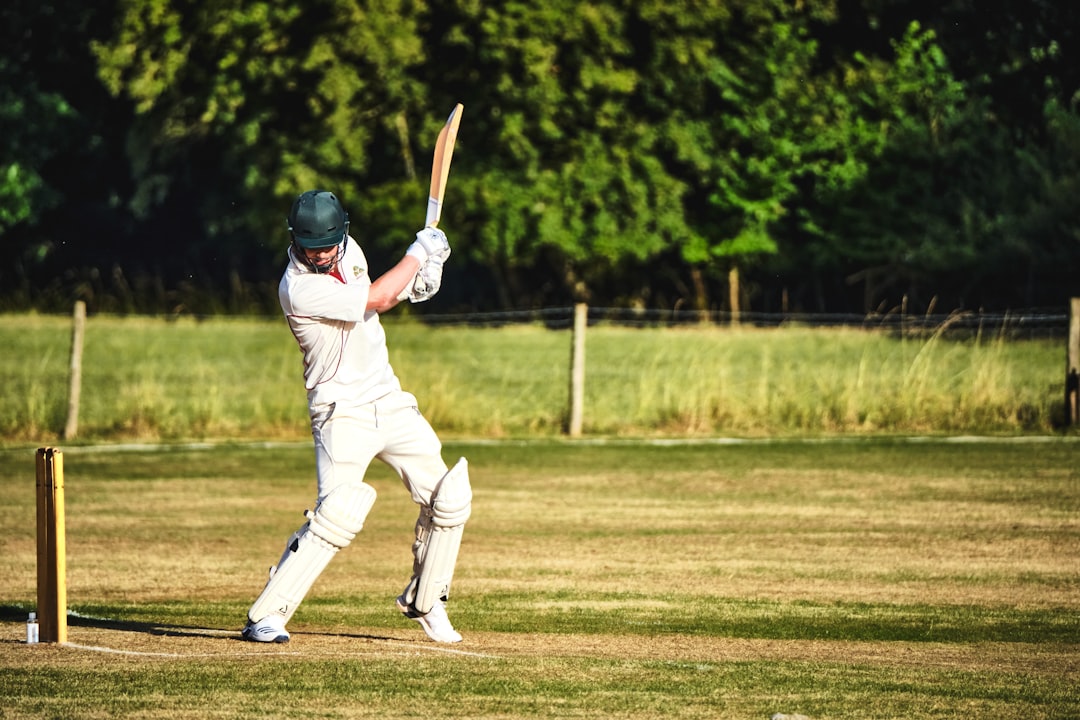
Ever watched a spinner dominate a middle‑order batsman with a perfectly timed sweep that sent the ball racing to the deep square leg? On the same day, the same batsman might have turned the tide by using a reverse sweep to pierce the field on the off side, catching the opposition off‑guard. The sweep and reverse sweep shots have become essential weapons for modern batsmen facing low‑bouncing spin on flat tracks, offering a way to rotate the strike and keep the scoreboard moving.
Mastering these shots is not about sheer power; it is a blend of spatial awareness, precise footwork, and controlled bat swing. By breaking down each component into analytical steps, a batsman can develop consistency, reduce the risk of top‑edge mishits, and expand the scoring options in limited‑overs and Test formats alike.
Analyzing the Spatial Geometry of the Sweep
Understanding Ball Trajectory Relative to the Line of Off‑Stump
The first analytical element is to read the ball’s line and length as it leaves the bowler’s hand. For a conventional sweep, the ideal delivery lands on or just outside the off‑stump, allowing the batsman to come down the line without compromising balance. When the ball pitches wider, the batsman can convert the intent into a reverse sweep, rotating the hips to guide the bat toward the off side. Recognising the subtle deviation in seam position or drift is crucial for deciding which variation to employ.
Footwork Alignment and Weight Distribution
Proper foot placement is the foundation of both shots. The batsman should adopt a slightly open stance, positioning the front foot toward the pitch of the ball while keeping the back foot planted for stability. The weight transfers from the back foot to the front foot as the bat meets the ball, creating a smooth arc. This transfer must be completed before the bat passes the hips, ensuring a clean contact point and minimizing the chance of a glance.
Target Zones and Field Awareness
Successful execution depends on clear target zones. In a classic sweep, the primary zone is the deep square leg region, often guarded by a fine‑leg or leg‑slip. In a reverse sweep, the goal shifts to the point‑midwicket corridor on the off side. Mapping these zones in the mind’s eye before the delivery helps the batsman align the bat face and choose the appropriate shot path.
Core Grip and Stance Principles for Sweep Execution
Bottom Hand Control for Power Transfer
The bottom hand, positioned near the base of the handle, provides the driving force. A relaxed grip allows the wrist to unhinge naturally, creating a whipping motion that adds pace to the sweep. The bat’s face should be slightly open to the ball, encouraging a horizontal swing plane that guides the ball along the ground.
Top Hand Guidance for Direction
The top hand steers the bat’s direction and maintains stability. By applying gentle pressure on the top of the handle, the batsman can fine‑tune the bat’s angle, ensuring it stays low and does not lift prematurely. The coordinated action of both hands is what differentiates a controlled sweep from an uncontrolled slog.
Stance Width and Pivot Mechanics
A moderate stance width offers balance without restricting lateral movement. As the ball approaches, the batsman pivots on the back foot, turning the hips toward the intended side. This pivot creates a natural swing path and aids in generating momentum that carries the ball to the desired zone.
Nine Analytical Steps to Master the Sweep
Step 1 — Pre‑Delivery Visualisation
Before the bowler releases the ball, visualize the intended shot, the footwork, and the target zone. This mental rehearsal primes the neuromuscular system and reinforces the correct body alignment.
Step 2 — Early Front‑Foot Movement
As the bowler begins the run‑up, move the front foot toward the pitch of the ball. The timing of this movement should align with the bowler’s front foot landing to maintain rhythm.
Step 3 — Back‑Foot Anchor
Maintain a firm back‑foot anchor until the ball reaches the batting crease. This anchor provides the necessary leverage for a powerful swing and prevents over‑committing too early.
Step 4 — Hip Rotation Initiation
Begin rotating the hips toward the intended side once the front foot is set. The rotation should be smooth, allowing the bat to follow a natural horizontal arc.
Step 5 — Bat Swing Path Alignment
Guide the bat through a low, horizontal swing, keeping the face angled slightly open for a ground‑level contact. The swing should commence from the hips and finish with the bat following through toward the target zone.
Step 6 — Wrist Unhinge at Contact
At the moment of impact, allow the wrists to unhinge naturally, adding a flick that propels the ball with additional pace while maintaining a low trajectory.
Step 7 — Follow‑Through Direction
Complete the shot with a dedicated follow‑through toward the intended region. The follow‑through reinforces the ball’s direction and aids in balance recovery.
Step 8 — Immediate Recovery
After the shot, quickly regain a balanced stance to be ready for the next delivery. This recovery is vital in limited‑overs formats where the bowler may return the ball swiftly.
Step 9 — Post‑Shot Evaluation
Reflect on the execution: assess foot placement, timing, and ball placement. Continuous self‑assessment cultivates consistency and highlights areas for adjustment.
Reverse Sweep: Mirrored Mechanics and Tactical Use
Reverse Grip Adaptation
The reverse sweep begins with a subtle shift in grip. The top hand moves slightly lower on the handle, while the bottom hand maintains its driving position. This adjustment allows the bat to swing across the body without sacrificing control.
Rotational Timing and Hip Placement
Hip rotation for the reverse sweep mirrors that of the conventional sweep but in the opposite direction. The batsman turns the hips toward the off side, aligning the front foot to the ball’s trajectory. Timing this rotation with the bowler’s delivery is essential to keep the ball grounded.
Strategic Deployment in Limited‑Overs Cricket
Using the reverse sweep effectively requires reading the field. When the off side is sparsely protected, especially during the middle overs of a one‑day or T20 match, the reverse sweep can exploit uncovered gaps. However, it should be employed selectively to avoid predictable patterns that bowlers can anticipate.
Key Takeaway: Integrating the Sweep and Reverse Sweep into a Modern Batting Toolkit
Both shots expand a batsman’s repertoire, converting traditionally defensive deliveries into scoring opportunities. By internalising the spatial geometry, adhering to the nine analytical steps, and mastering the mirrored mechanics of the reverse sweep, a player can fluidly shift between the two options based on field placement and bowler variation. Consistent practice, combined with reflective post‑shot analysis, turns these technically demanding strokes into reliable weapons in the modern game.
Frequently Asked Questions
Can a batsman use the sweep against fast bowlers?
The sweep is most effective against spin, but a well‑executed sweep can also be used on slower fast‑bowling deliveries that land on a good length outside off stump, especially when the ball does not rise sharply.
What common errors lead to top‑edge mishits?
Typical mistakes include late foot placement, insufficient hip rotation, and an overly vertical bat face at contact. These factors cause the bat to glance the ball upward, increasing the chance of a catch.
How does the reverse sweep differ in footwork from the conventional sweep?
While the conventional sweep steps toward the leg side, the reverse sweep requires the front foot to move slightly toward the off side, aligning the body to swing the bat across the opposite plane.
Is it advisable for beginners to practice the reverse sweep early on?
Beginners should first master the fundamentals of the conventional sweep before attempting the reverse sweep, as the latter demands greater balance and precise timing.
What training drills help reinforce the swing path?
Drills such as shadow batting with a weighted bat, targeted cone placements for ball landing zones, and repetitive footwork sequences using a short‑run-up cone can develop muscle memory for the correct swing arc.
Frequently Asked Questions
Can a batsman use the sweep against fast bowlers?
The sweep is most effective against spin, but a well‑executed sweep can also be used on slower fast‑bowling deliveries that land on a good length outside off stump, especially when the ball does not rise sharply.
What common errors lead to top‑edge mishits?
Typical mistakes include late foot placement, insufficient hip rotation, and an overly vertical bat face at contact. These factors cause the bat to glance the ball upward, increasing the chance of a catch.
How does the reverse sweep differ in footwork from the conventional sweep?
While the conventional sweep steps toward the leg side, the reverse sweep requires the front foot to move slightly toward the off side, aligning the body to swing the bat across the opposite plane.
Is it advisable for beginners to practice the reverse sweep early on?
Beginners should first master the fundamentals of the conventional sweep before attempting the reverse sweep, as the latter demands greater balance and precise timing.
What training drills help reinforce the swing path?
Drills such as shadow batting with a weighted bat, targeted cone placements for ball landing zones, and repetitive footwork sequences using a short‑run-up cone can develop muscle memory for the correct swing arc.