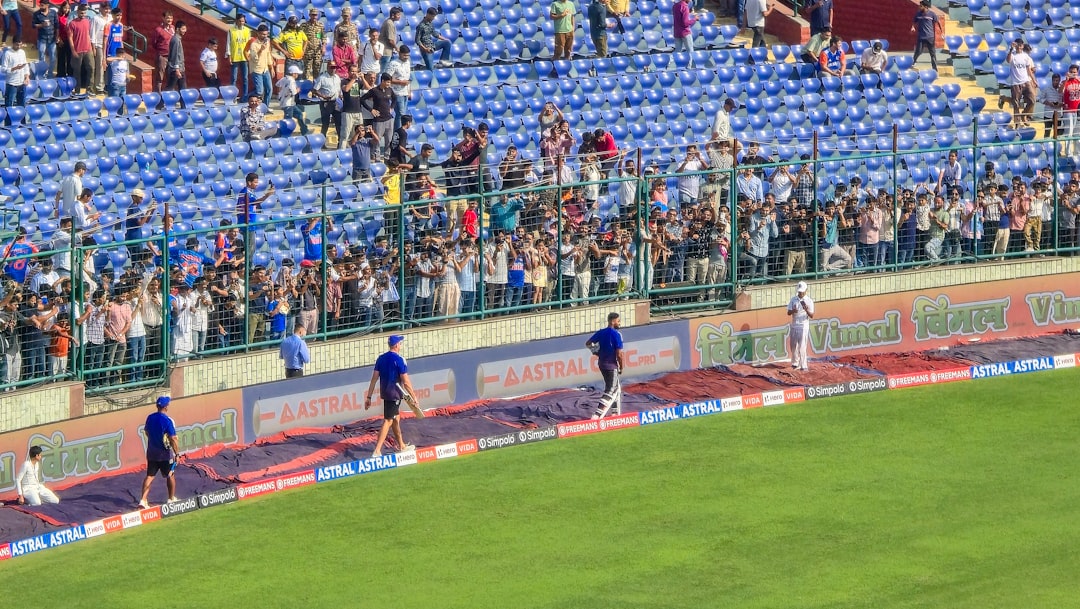
Why the IPL Auction Isn’t the Final Verdict
The Indian Premier League’s annual auction is a high‑stakes spectacle. Franchise owners comb through statistics, scouting reports, and gut feelings to assemble a squad capable of the coveted trophy. Yet, history shows that a “no‑bid” stamp does not seal a player’s fate. In fact, several cricketers who were once left on the auction bench have turned those setbacks into springboards, reshaping their careers and influencing team dynamics across multiple seasons.
These turnaround stories are not mere coincidences; they reveal deeper insights about talent evaluation, the importance of timing, and the role of franchise strategies. Below, we revisit five such players, exploring the circumstances that led to their initial disappointment, the opportunities that followed, and the lasting impact they’ve made on the IPL landscape.
1. Imran Tahir – From Unpicked to Purple Cap Hero
When the 2017 auction opened, South African leg‑spinner Imran Tahir entered as the top‑ranked bowler in T20 internationals. Despite his impressive record, he went unsold, a surprise that left analysts baffled. The turning point arrived when the Rising Pune Supergiant needed a replacement for Mitchell Marsh. Tahir was called up, and his performance was instantaneous.
In the 2017 season, he claimed 18 wickets, playing a pivotal role in Pune’s march to the final. His variations and pinpoint accuracy made him a nightmare for middle‑order batsmen, and his confidence surged. The following year, Chennai Super Kings snapped him up, and the 2019 campaign saw Tahir lift the coveted Purple Cap with 26 wickets at an average of 16.57 across 17 matches. His consistency has since made him a sought‑after asset, especially during the middle overs when wickets are precious.
According to crictracker.com, Tahir’s resurgence underscores how franchise needs—particularly the demand for a death‑over specialist—can revive a career that seemed stalled at auction.
2. Chris Gayle – The Caribbean Hurricane That Returned to Power
Chris Gayle, arguably the most explosive T20 batsman, suffered an unexpected snub at the 2011 mega‑auction due to concerns over his availability for the World Cup. However, the Royal Challengers Bengaluru (RCB) urgently required a replacement for injured fast‑bowler Dirk Nannes. They turned to Gayle, who immediately ignited the Bangalore batting order.
That season Gayle amassed 608 runs in 12 matches, averaging a formidable 67.55 and striking at 183.13. He rattled three half‑centuries and two centuries, confirming his ability to dominate even in limited opportunities. The following year, Gayle captured the Orange Cap, topping the run charts with 733 runs in 15 matches, maintaining an average above 60. His ability to clear the boundary at will re‑established him as the league’s most feared hitter and cemented his legacy as an IPL icon.

3. Phil Salt – The English Dynamo Who Refused to Fade
England’s explosive opening batsman Phil Salt faced a harsh reality when he went unsold in the 2020 auction. Critics pointed to his inconsistent domestic performances, while others argued his aggressive style didn’t align with franchise strategies at the time. Nevertheless, Salt’s perseverance paid off when the Sunrisers Hyderabad signed him as a short‑term replacement in 2021.




Seizing the chance, Salt displayed a fearless approach, scoring quickfire 45‑plus scores that lifted Hyderabad’s top order. His strike rate consistently hovered above 150, and his ability to rotate the strike while finding gaps made him a double‑edged weapon. By the 2023 season, he earned a permanent contract, becoming a regular fixture in a side that values aggressive starts. Salt’s journey illustrates how immediacy, adaptability, and a willingness to learn can transform a temporary call‑up into a lasting IPL career.

4. Marcus Stoinis – The Aussie All‑Rounder’s Second Wind
Australian powerhouse Marcus Stoinis, known for his hard‑hitting and handy medium‑pace, found himself unsold at the 2020 auction after an injury‑marred 2019 season. Many franchises were hesitant, fearing recurring fitness concerns. However, the Kolkata Knight Riders (KKR) offered him a short‑term contract for the 2021 edition, hoping his dual skills could add depth.
Stoinis repaid that faith with crucial contributions: a swift 70‑run cameo against the Mumbai Indians and a vital 3‑wicket spell that turned matches in KKR’s favor. His ability to finish games, combined with a knack for taking wickets in the death overs, made him a valuable asset. By 2022, he secured a multi‑year deal, cementing his role as a true all‑rounder in a league that increasingly values players who can both bat and bowl effectively.
5. Rahul Tripathi – The Quiet Ninja Who Struck Gold
Indian in‑demand finisher Rahul Tripathi slipped through the cracks during the 2022 auction. Despite strong performances in domestic tournaments, his lack of a high‑profile IPL stint kept him off the radar. The Rajasthan Royals eventually signed him as a replacement for an injured overseas player in the same season.
Tripathi’s impact was immediate. Coming in at the death, he delivered several low‑over sixes, pushing scores past 200 on multiple occasions. His calm demeanor under pressure and ability to clear the boundary with a flick made him a fan favorite. In the 2023 season, he earned a permanent contract, becoming a key finisher for Rajasthan and illustrating how even “unsung” talents can become match‑winners when given the right platform.
What These Stories Teach Us About IPL Talent Management
Beyond the individual triumphs, these five cases highlight broader lessons for franchises and analysts alike:
- Timing Over Talent: A player’s value can surge dramatically when a team’s specific need aligns with his skill set. Imran Tahir’s success after a replacement call‑up exemplifies this.
- Adaptability Is Key: Players who quickly adjust to new roles or conditions—like Phil Salt’s shift from a bench player to a top‑order aggressor—gain longevity.
- Injury Management: Teams that invest in proper rehabilitation can reap rewards, as seen with Marcus Stoinis’s resurgence post‑injury.
- Data‑Driven Decisions: Modern franchises increasingly use analytics to identify undervalued players, turning unsold names into hidden gems.
- Psychological Resilience: The mental strength to bounce back after being unsold separates fleeting participants from long‑term stars.
Ultimately, the IPL’s dynamic nature ensures that a “no‑bid” label is merely a pause, not an endpoint. As franchises continue to refine scouting methods and player development programs, more athletes will likely turn auction disappointments into celebrated careers.
Frequently Asked Questions
What does it mean when a player is “unsold” at an IPL auction?
Being unsold indicates that no franchise placed a bid on the player during the auction round. It does not prevent the player from being signed later as a replacement or for future seasons.
Can a player who was unsold still win awards like the Orange or Purple Cap?
Yes. As demonstrated by Chris Gayle and Imran Tahir, players can later join teams and perform at a level high enough to claim the league’s top awards.
How do franchises decide to pick a replacement player?
Franchises assess immediate squad needs, player form, injury status, and fit within team strategy. They often look for specialists who can fill the specific gap left by the unavailable player.
Is there a pattern in the types of players who go unsold?
Often, players with perceived fitness concerns, limited recent performances, or availability issues may be overlooked. However, each season can bring exceptions based on evolving team tactics.
Do unsold players receive any compensation?
Players who go unsold do not receive an auction contract but remain eligible for salary from domestic leagues or later IPL contracts as replacements.
Related Analysis
Frequently Asked Questions
What does it mean when a player is “unsold” at an IPL auction?
Being unsold indicates that no franchise placed a bid on the player during the auction round. It does not prevent the player from being signed later as a replacement or for future seasons.
Can a player who was unsold still win awards like the Orange or Purple Cap?
Yes. As demonstrated by Chris Gayle and Imran Tahir, players can later join teams and perform at a level high enough to claim the league’s top awards.
How do franchises decide to pick a replacement player?
Franchises assess immediate squad needs, player form, injury status, and fit within team strategy. They often look for specialists who can fill the specific gap left by the unavailable player.
Is there a pattern in the types of players who go unsold?
Often, players with perceived fitness concerns, limited recent performances, or availability issues may be overlooked. However, each season can bring exceptions based on evolving team tactics.
Do unsold players receive any compensation?
Players who go unsold do not receive an auction contract but remain eligible for salary from domestic leagues or later IPL contracts as replacements.