From a Simple Tap to a Viral Frenzy
When a prominent athlete interacts with a post on a platform as ubiquitous as Instagram, the ripple effect can be staggering. In early 2025, Virat Kohli unintentionally tapped “like” on a photograph posted by Indian model Avneet Kaur. The incident ignited a storm of speculation, memes, and a formal clarification from the cricketer’s camp. Fast forward to the present day, a similar episode has resurfaced: a screenshot circulating online suggests that Kohli’s account “liked” a post from the model known as LizLaz. Within minutes, the image was repurposed across Twitter, Reddit, and Instagram Stories, spawning a fresh wave of jokes and accusations.
Algorithmic Ghosts or Human Error?
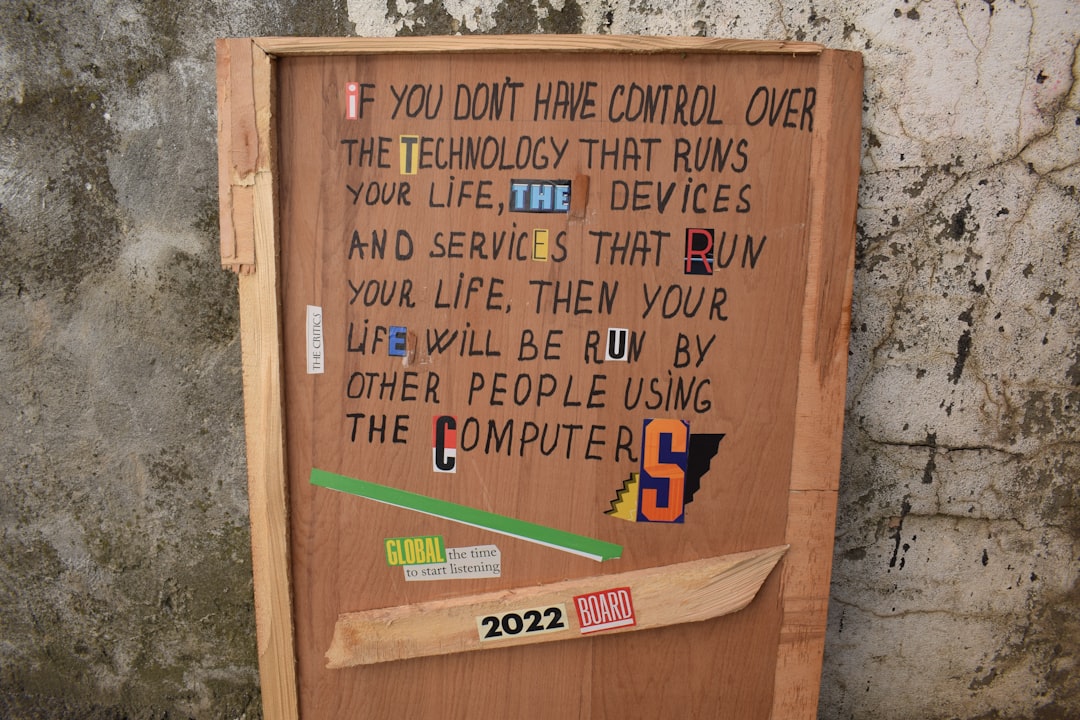
The immediate reaction from fans has been surprisingly uniform—blame the algorithm. The perception that Instagram’s recommendation engine can autonomously “like” content has become a meme in its own right. While the platform’s official stance denies any such feature, the recurring nature of these episodes fuels a collective suspicion that the technology is either too opaque or prone to glitches.
According to crictracker.com, the 2025 “Avneet Kaur” incident was resolved when Kohli’s team issued a brief statement attributing the action to “a momentary slip.” Yet the pattern persists. Digital‑literacy advocates argue that the phenomenon reveals a deeper issue: the blurred line between human agency and algorithmic suggestion. By treating a “like” as a deliberate endorsement, the public assigns intent where there may be none, turning a mundane interaction into a perceived personal comment.
From a sociological perspective, this reflects a broader trend of “algorithmic accountability” that scholars have been tracking for the past decade. Users, especially those in the celebrity sphere, are increasingly expected to manage not only their words but also every automated gesture their devices make. In Kohli’s case, each unintended “like” becomes a flashpoint for fans keen to interpret any sign of personal preference.
The Meme Engine in Full Swing
Within thirty minutes of the screenshot’s debut, meme creators were at work. The first wave featured classic “what were you thinking?” captions, while a second batch hilariously re‑imagined the “like” as a “virtual hug.” A third set superimposed Kohli’s face onto the Instagram “thumbs‑up” icon, accompanied by the tag line “When the algorithm is your biggest fan.”
These memes serve a dual purpose: they entertain while also reinforcing the narrative that the star is somehow “out of touch” with his own social‑media presence. The rapid diffusion of such content highlights how the modern internet thrives on the juxtaposition of celebrity gravitas and low‑stakes absurdity. For Kohli, whose on‑field performances attract serious analysis, the comedic side of his digital life offers a more approachable, humanized image—whether he intends it or not.
Impact on Kohli’s Brand and Public Image
Virat Kohli has built a brand that extends beyond cricket. Endorsements with sportswear giants, beverage companies, and even luxury watches rely on the perception of a disciplined, focused athlete. In the realm of public relations, managing accidental digital interactions is a delicate task. A misinterpreted “like” can momentarily shift headlines from “Kohli scores a decisive half‑century” to “Kohli’s Instagram faux pas.”
The swift spin-off into humor, however, may mitigate long‑term damage. The audience’s willingness to laugh at the situation suggests a level of affection that can buffer against reputational risk. Moreover, the narrative that “the algorithm did it” subtly absolves Kohli of personal responsibility, preserving his brand’s integrity while keeping the discourse light‑hearted.
On‑Field Excellence Amid the Digital Noise
While memes proliferate online, Kohli’s focus on the pitch remains unwavering. In the latest Indian Premier League encounter, he guided Royal Challengers Bengaluru (RCB) to a comfortable victory, contributing a composed 49 runs against the Lucknow Super Giants. This knock propelled him to the summit of the tournament’s run‑scoring charts, boasting 228 runs in five innings at a striking average of 57.
His IPL record speaks for itself: 8,889 runs across 272 matches, eight centuries, and 65 half‑centuries. The 2016 season remains a benchmark, as he amassed a record 973 runs in just 16 games—a feat that still beats the second‑best totals by a comfortable margin. Consistency is his hallmark; surpassing the 600‑run milestone in successive seasons underscores a longevity that few peers can match.
These statistics provide context to the current social‑media chatter. For a player of Kohli’s stature, a single “like”—whether deliberate or algorithmic—pales in significance next to a career defined by relentless performance. The juxtaposition of on‑field mastery and off‑field digital mishaps underscores the multifaceted pressures modern athletes navigate.
Psychological Angles: The Pressure of Constant Visibility
Living under a perpetual microscope imposes a psychological toll. Athletes frequently report that every action, both public and private, is subject to scrutiny. The phenomenon of “hyper‑visibility” can lead to heightened anxiety, prompting some to limit their digital footprints or enlist professional managers to curate content. In Kohli’s scenario, the random “like” becomes a symbolic reminder that any digital trace can be amplified.
Sports psychologists suggest that framing such incidents with humor, as the meme culture does, can act as a coping mechanism. By allowing fans to laugh, the athlete can defuse potential embarrassment and maintain mental equilibrium. This dynamic demonstrates how meme culture, often dismissed as frivolous, can serve a therapeutic function for public figures.
Future Outlook: Managing the Algorithmic Narrative
Going forward, sports franchises and celebrity management teams may need to develop proactive strategies to address algorithmic misfires. Options include coordinated statements that pre‑emptively explain the nature of social‑media glitches, or employing “shadow bans” to limit unintended interactions from propagating.
In the age of AI‑driven recommendation engines, the line between human intention and machine suggestion will only blur further. For Kohli, embracing transparency while maintaining focus on his sport may remain the optimal path—allowing his batting statistics to speak louder than any accidental digital “like.”
Frequently Asked Questions
Did Virat Kohli actually like LizLaz’s Instagram post?
The screenshot that went viral appears to show a “like” from Kohli’s account, but both the player’s team and Instagram have not confirmed an intentional action. Many observers attribute the incident to an algorithmic glitch.
How many runs has Kohli scored in the current IPL season?
As of the latest match, Kohli has accumulated 228 runs in five innings, leading the tournament’s run‑scoring chart with an average of 57 runs per innings.
What was Kohli’s record‑breaking season in 2016?
In 2016, Kohli amassed a historic 973 runs in just 16 IPL matches, establishing the highest single‑season total in the competition’s history.
Why do fans often blame Instagram’s algorithm for such “likes”?
Instagram’s recommendation system can suggest content that appears as if the user interacted with it. When a “like” shows up unexpectedly, fans commonly suspect the algorithm rather than a deliberate action by the user.
Can memes affect a player’s brand image?
Yes, memes can shape public perception. While they can humorously highlight a misstep, they also humanize the athlete, often mitigating potential reputational harm by keeping the narrative light‑hearted.
Frequently Asked Questions
Algorithmic Ghosts or Human Error?
The immediate reaction from fans has been surprisingly uniform—blame the algorithm. The perception that Instagram’s recommendation engine can autonomously “like” content has become a meme in its own right. While the platform’s official stance denies any such feature, the recurring nature of these episodes fuels a collective suspicion that the technology is either too opaque or prone to glitches.
Did Virat Kohli actually like LizLaz’s Instagram post?
The screenshot that went viral appears to show a “like” from Kohli’s account, but both the player’s team and Instagram have not confirmed an intentional action. Many observers attribute the incident to an algorithmic glitch.
How many runs has Kohli scored in the current IPL season?
As of the latest match, Kohli has accumulated 228 runs in five innings, leading the tournament’s run‑scoring chart with an average of 57 runs per innings.
What was Kohli’s record‑breaking season in 2016?
In 2016, Kohli amassed a historic 973 runs in just 16 IPL matches, establishing the highest single‑season total in the competition’s history.
Why do fans often blame Instagram’s algorithm for such “likes”?
Instagram’s recommendation system can suggest content that appears as if the user interacted with it. When a “like” shows up unexpectedly, fans commonly suspect the algorithm rather than a deliberate action by the user.
Can memes affect a player’s brand image?
Yes, memes can shape public perception. While they can humorously highlight a misstep, they also humanize the athlete, often mitigating potential reputational harm by keeping the narrative light‑hearted.