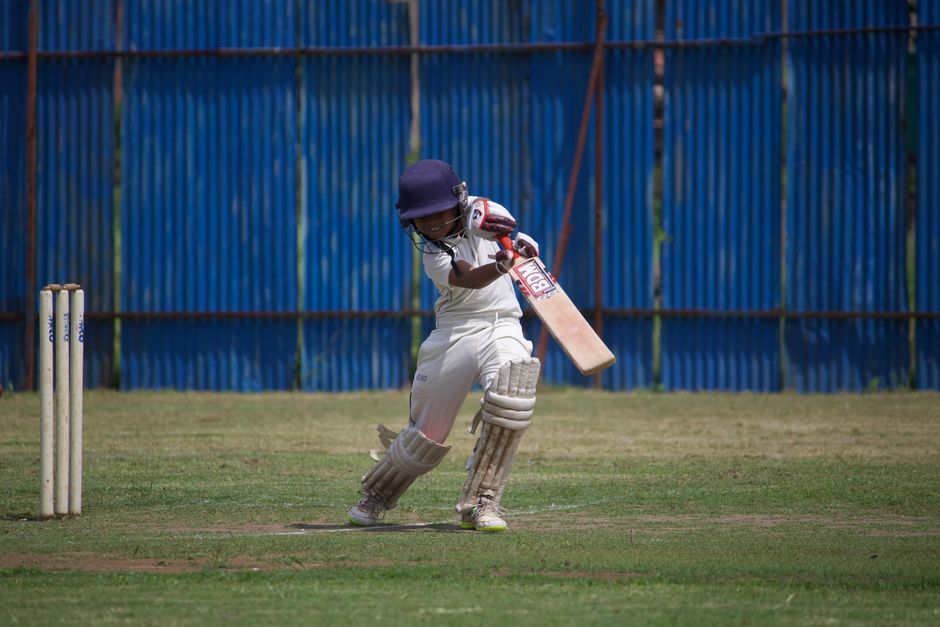
Picture a late‑afternoon Test match at Lord’s, the bowler releases a crisp outswinger on a good length, and the striker leans into the line, the bat glides through the cover region with effortless grace. That moment, when the ball races to the boundary after a perfectly timed swing, is the reward for mastering one of cricket’s most elegant strokes.
While the visual appeal of a cover drive captivates spectators, its execution hinges on a series of deliberate adjustments. Understanding the mechanics behind the shot, from grip to follow‑through, transforms a hopeful attempt into a reliable weapon. Below, ten masterful tips break down each component, allowing any batsman to refine the cover drive technique and consistently place the ball where fielders cannot.
Setting the Grip and Bat Position for Control
Choosing the Right Grip for Precision
A relaxed yet firm grip is the foundation of control. Hold the bat with both hands close together near the bottom of the handle, allowing the top hand to guide the swing while the bottom hand supplies power. Excessive tension can restrict wrist movement, limiting the ability to open the bat face at the point of contact.
Aligning the Bat Face Early in the Stance
Before the bowler even releases the ball, position the bat so the face points slightly towards the covers. This early alignment reduces the need for a drastic adjustment during the swing, ensuring the ball meets the sweet spot of the bat and travels along the intended trajectory.
Mastering Footwork and Balance
Timing the Front‑Foot Advancement
The front foot should land just outside the line of the off‑stump, pointing towards mid‑off. A well‑timed stride allows the batsman to get into the ideal position to meet the ball at its highest point, maximizing leverage. Rushing the step often results in a cramped swing and reduced power.
Maintaining a Stable Base Through the Shot
Balance is achieved by keeping the weight evenly distributed between both feet after the front foot lands. A subtle knee bend on the back leg provides a solid anchor, preventing the body from over‑committing forward and losing control of the bat’s swing path.
Reading the Delivery and Pitch Conditions
Identifying the Ideal Line for the Cover Drive
Look for balls that are slightly outside off‑stump and pitched full enough to allow a forward stride. An outswinger that stays in the corridor of the covers is a perfect candidate, as it grants the batsman the necessary time to set the shot without compromising the guard of the stumps.
Assessing Pitch Behaviour for Seam Movement
The pitch’s hardness and moisture content influence how the ball behaves after bouncing. On a firm surface, the ball tends to retain its line, making a cover drive more predictable. On a softer pitch, the ball may grip and deviate, requiring a slightly more cautious approach, such as a softer grip and a shorter swing arc.

Executing the Swing with Precision
Coordinating Hands and Arms for a Fluid Motion
The swing begins with the top hand guiding the bat down the line, while the bottom hand adds power as the bat approaches the ball. The elbows should stay close to the body, allowing the forearms to lead the bat through a circular path that mirrors the intended ball trajectory.
Following Through to the Cover Region
After contact, let the bat continue its arc towards the point of maximum extension, typically around the 12 o’clock position for a cover drive. A full follow‑through not only adds extra momentum but also signals a clean, timing‑driven shot, which helps the ball clear the in‑field and race towards the boundary.
Common Mistakes and How to Fix Them
Overcommitting with the Front Foot
Stepping too far forward can cause the batsman to lose balance, resulting in a cramped swing and a higher chance of edging the ball. The remedy is to practice the stride with a short “shadow” drill, focusing on landing the front foot just inside the line of the off‑stump and maintaining a slight knee bend.
Leaving the Bat Face Closed
A closed bat face at impact sends the ball towards the leg side instead of the covers. To correct this, concentrate on rotating the forearms slightly clockwise (for a right‑hander) just before the ball arrives, ensuring the bat face is open enough to guide the ball through the intended gap.
Takeaway: Building a Consistent Cover Drive
Perfecting the cover drive technique is a progressive process that blends technical precision with situational awareness. By establishing a solid grip, mastering footwork, reading the bowler’s line, and executing a smooth swing, a batsman can transform a beautiful stroke into a reliable scoring option. Regular practice under varying conditions reinforces muscle memory, allowing the shot to become second nature when the opportunity arises. The result is not only aesthetically pleasing cricket but also a strategic asset that puts pressure on the fielding side.
Frequently Asked Questions
What foot placement gives the best balance for a cover drive?
The front foot should land just outside off‑stump, pointing towards mid‑off, while the back foot remains relatively stable with a slight knee bend to act as a pivot.
How can I improve the timing of my cover drive?
Practice shadow drills that focus on stepping forward and meeting the ball at its highest point. Using a bowling machine or a partner’s consistent line helps train the eye‑hand coordination needed for precise timing.
Is a heavier bat better for playing the cover drive?
Bat weight is a personal preference. A slightly heavier bat can provide more power, but it must still allow for a fluid swing. The key is to choose a bat that feels comfortable and enables a full follow‑through without sacrificing speed.
Can the cover drive be effective against swing bowling?
Yes, especially when the ball is outside off‑stump and the bowler delivers an outswinger. The natural movement of the ball into the gap makes it an ideal candidate for a cover drive, provided the batsman maintains a stable base and opens the bat face at contact.
What drills help develop the bat‑face opening for the cover drive?
One useful drill involves placing a target marker in the covers and practicing a slow, controlled swing, focusing on turning the forearms to open the bat face just before impact. Repeating this motion builds the muscle memory needed to open the bat naturally during match play.
The cover drive is one piece of a larger craft, which we map in our complete cricket batting technique guide.
Frequently Asked Questions
What foot placement gives the best balance for a cover drive?
The front foot should land just outside off‑stump, pointing towards mid‑off, while the back foot remains relatively stable with a slight knee bend to act as a pivot.
How can I improve the timing of my cover drive?
Practice shadow drills that focus on stepping forward and meeting the ball at its highest point. Using a bowling machine or a partner’s consistent line helps train the eye‑hand coordination needed for precise timing.
Is a heavier bat better for playing the cover drive?
Bat weight is a personal preference. A slightly heavier bat can provide more power, but it must still allow for a fluid swing. The key is to choose a bat that feels comfortable and enables a full follow‑through without sacrificing speed.
Can the cover drive be effective against swing bowling?
Yes, especially when the ball is outside off‑stump and the bowler delivers an outswinger. The natural movement of the ball into the gap makes it an ideal candidate for a cover drive, provided the batsman maintains a stable base and opens the bat face at contact.
What drills help develop the bat‑face opening for the cover drive?
One useful drill involves placing a target marker in the covers and practicing a slow, controlled swing, focusing on turning the forearms to open the bat face just before impact. Repeating this motion builds the muscle memory needed to open the bat naturally during match play. The cover drive is one piece of a larger craft, which we map in our complete cricket batting technique guide.