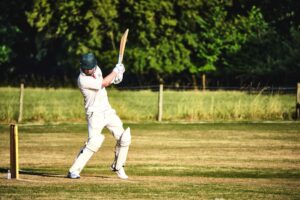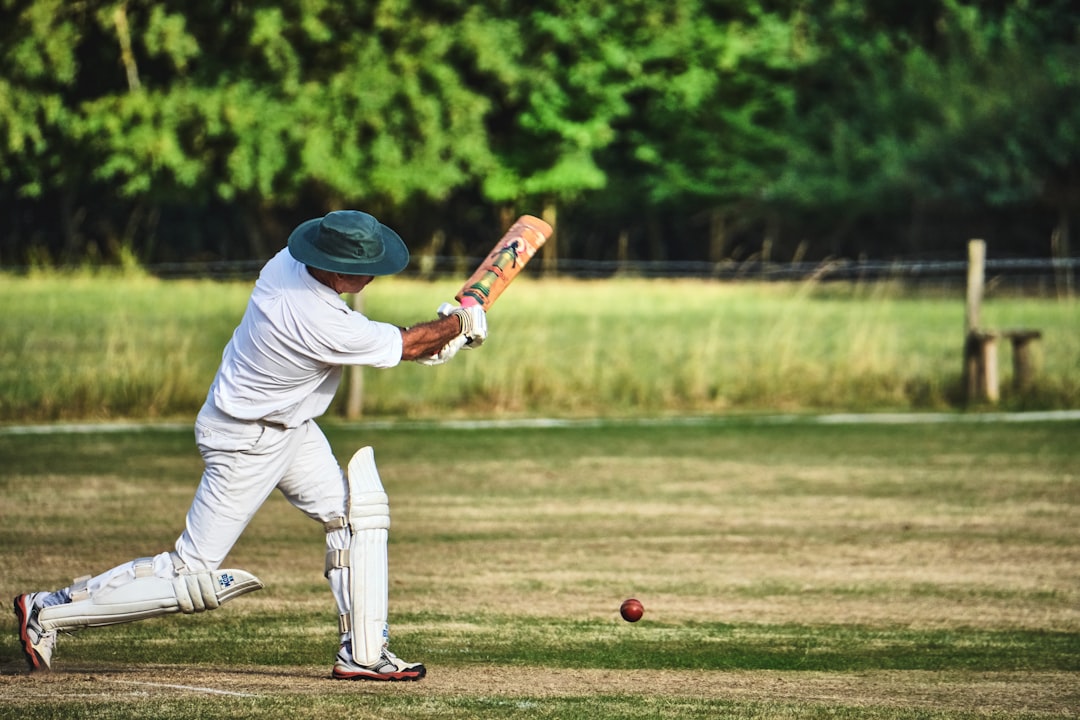
Imagine a tight chase in a limited‑overs match where the field is stacked on the off side, and the bowler delivers a full, slightly off‑centre line ball. The batsman, instead of forcing a risky cross‑bat shot, uses the wrist to guide the ball past fine leg, adding a crucial boundary. That same wrist work, when executed against a fuller delivery on the leg side, can open up the on‑drive, turning a defensive stance into a scoring opportunity. The leg glance and on‑drive explained through body position, timing, and intention can dramatically expand a middle‑order player’s repertoire.
Both strokes rely on subtle wrist rotation, precise foot placement, and an awareness of the bowler’s line. While the leg glance exploits the ball’s angle to run a fine‑leg line, the on‑drive captures the same momentum and redirects it straight down the ground. Mastery comes from reinforcing a set of habits that translate across formats, whether in a Test innings where patience rewards precision or in a T20 where a single boundary can shift momentum.
Body Alignment and Footwork for the Leg Glance
Establishing a stable base
A solid stance begins with the weight evenly distributed on the balls of the feet, allowing a quick pivot toward the leg side. The front foot should land slightly towards the off side, keeping the hips open enough to enable the bat to swing around the body without over‑reaching. This alignment prevents the bat from becoming a lever that pushes the ball wide of the intended fine‑leg corridor.
Stride length and pivot timing
When the bowler releases a ball aimed at the pads, a short, controlled stride gives the batsman the space to bring the back foot forward and pivot on the toe. The pivot should occur just before the ball reaches the hitting zone, ensuring the bat meets the ball at the optimal point of the arc. Over‑stepping or a delayed pivot often results in a mistimed glance that sails to the mid‑wicket region instead of fine leg.
Timing the Contact for Both Shots
Reading the ball’s seam and release
Experienced batsmen watch the seam and the bowler’s hand position to gauge the ball’s trajectory. A ball releasing low and angled toward the leg stump suggests a natural opportunity for a leg glance, while a higher release on a fuller length lends itself to an on‑drive. By aligning the eyes with the seam, the batsman can anticipate the moment of impact and prepare the bat’s swing path accordingly.
Synchronising bat swing with footwork
The bat’s swing arc should mirror the footwork’s pivot. For a leg glance, the bat moves across the body in a clockwise motion (for a right‑hander), meeting the ball just outside the pads. The on‑drive requires a more vertical swing, with the bat moving straight down the line. In both cases, the wrists should remain supple, allowing the bat face to open or close at the point of contact, which determines the ball’s final direction.
Shot Selection: Choosing Between Leg Glance and On‑Drive
Situational cues for the leg glance
Field placements that crowd the off side, particularly a deep mid‑wicket or cover, create a clear window on the leg side. When the bowler consistently pitches outside off or on a line that makes the ball swing into the batsman, a leg glance becomes the safer scoring option. The batsman should also assess the pitch condition; a slower surface can add bounce, making a quick leg glance more effective.
When to open the on‑drive lane
A bowler delivering a fuller ball on a relatively even or slightly down‑the‑leg line invites the on‑drive. The batsman’s front foot should move towards the pitch of the ball, providing a straight‑line path for the bat. If the field has a deep mid‑wicket or extra cover, the on‑drive offers a direct route to the boundary, especially when the ball’s pace is conducive to a clean, controlled strike.
Practice Drills That Embed the Technique
Net drills for muscle memory
Set up a pair of cones to mark a fine‑leg corridor and a straight‑down‑the‑ground lane. Have a bowler or a ball‑machine feed balls alternating between leg‑side and off‑side lines. The batsman practices the leg glance into the fine‑leg cone, then immediately switches to the on‑drive lane, focusing on foot placement and wrist rotation. Repetition builds the neural pathways needed for split‑second decision making during matches.
Match‑simulation scenarios
Organise a small‑sided game where the fielding side is instructed to position fielders heavily on one side. The batting side must score a set number of runs using only leg glances or on‑drives, depending on the current field placement. This creates pressure similar to a real contest, forcing the batsman to evaluate each delivery’s line and choose the appropriate stroke under time constraints.
Mental Cues and Confidence Building
Visualization techniques
Before stepping onto the crease, successful batsmen often spend a brief moment picturing the exact swing path of the leg glance or on‑drive. Visualizing the bat’s arc, the ball’s contact point, and the ball’s final direction reinforces the physical execution plan. This mental rehearsal reduces hesitation and promotes a fluid response when the actual delivery arrives.
Consistent pre‑shot routine
A simple, repeatable routine—such as a deep breath, a quick check of the bowler’s hand, and a subtle adjustment of the front foot—creates a sense of control. When the routine is tied to the shot, the batsman can automatically transition into the required movement without overthinking, preserving focus and composure.
Key Takeaways for Consistent Execution
Both the leg glance and the on‑drive hinge on three core principles: precise foot placement, timing the bat’s swing with the ball’s arrival, and a clear mental cue that signals which stroke to use. By regularly practicing the outlined drills, staying aware of field placements, and embedding a concise pre‑shot routine, a batsman can reliably convert these strokes into a steady source of runs. The leg glance and on‑drive explained not merely as isolated techniques, but as complementary tools that, when mastered, give a player the flexibility to score from almost any line of delivery.
Frequently Asked Questions
What foot placement works best for a leg glance?
The front foot should land slightly towards the off side, with the back foot pivoting on the toe just before impact. This creates a stable base while allowing the bat to swing across the body toward fine leg.
How can I tell whether to play a leg glance or an on‑drive?
Assess the ball’s line and the field setting. A ball angled toward the pads with a field stacked on the off side favours a leg glance, whereas a fuller delivery with a clear straight‑down‑the‑ground lane encourages an on‑drive.
Which wrist movement differentiates the two shots?
For a leg glance, the wrists turn clockwise (for a right‑hander) to open the bat face at contact, guiding the ball toward fine leg. For the on‑drive, the wrists stay relatively firm, keeping the bat face vertical to drive the ball straight.
Can these shots be effective on slower pitches?
Yes, on slower surfaces a leg glance can exploit additional bounce, while a well‑timed on‑drive can still generate a clean strike by meeting the ball at the optimal hitting zone and using the bat’s momentum.
How often should I incorporate these drills into my training?
Integrate focused leg glance and on‑drive drills into net sessions at least twice a week, complementing them with match‑simulation scenarios that replicate real‑game pressure. Consistency reinforces muscle memory and decision‑making speed.
Frequently Asked Questions
What foot placement works best for a leg glance?
The front foot should land slightly towards the off side, with the back foot pivoting on the toe just before impact. This creates a stable base while allowing the bat to swing across the body toward fine leg.
How can I tell whether to play a leg glance or an on‑drive?
Assess the ball’s line and the field setting. A ball angled toward the pads with a field stacked on the off side favours a leg glance, whereas a fuller delivery with a clear straight‑down‑the‑ground lane encourages an on‑drive.
Which wrist movement differentiates the two shots?
For a leg glance, the wrists turn clockwise (for a right‑hander) to open the bat face at contact, guiding the ball toward fine leg. For the on‑drive, the wrists stay relatively firm, keeping the bat face vertical to drive the ball straight.
Can these shots be effective on slower pitches?
Yes, on slower surfaces a leg glance can exploit additional bounce, while a well‑timed on‑drive can still generate a clean strike by meeting the ball at the optimal hitting zone and using the bat’s momentum.
How often should I incorporate these drills into my training?
Integrate focused leg glance and on‑drive drills into net sessions at least twice a week, complementing them with match‑simulation scenarios that replicate real‑game pressure. Consistency reinforces muscle memory and decision‑making speed.