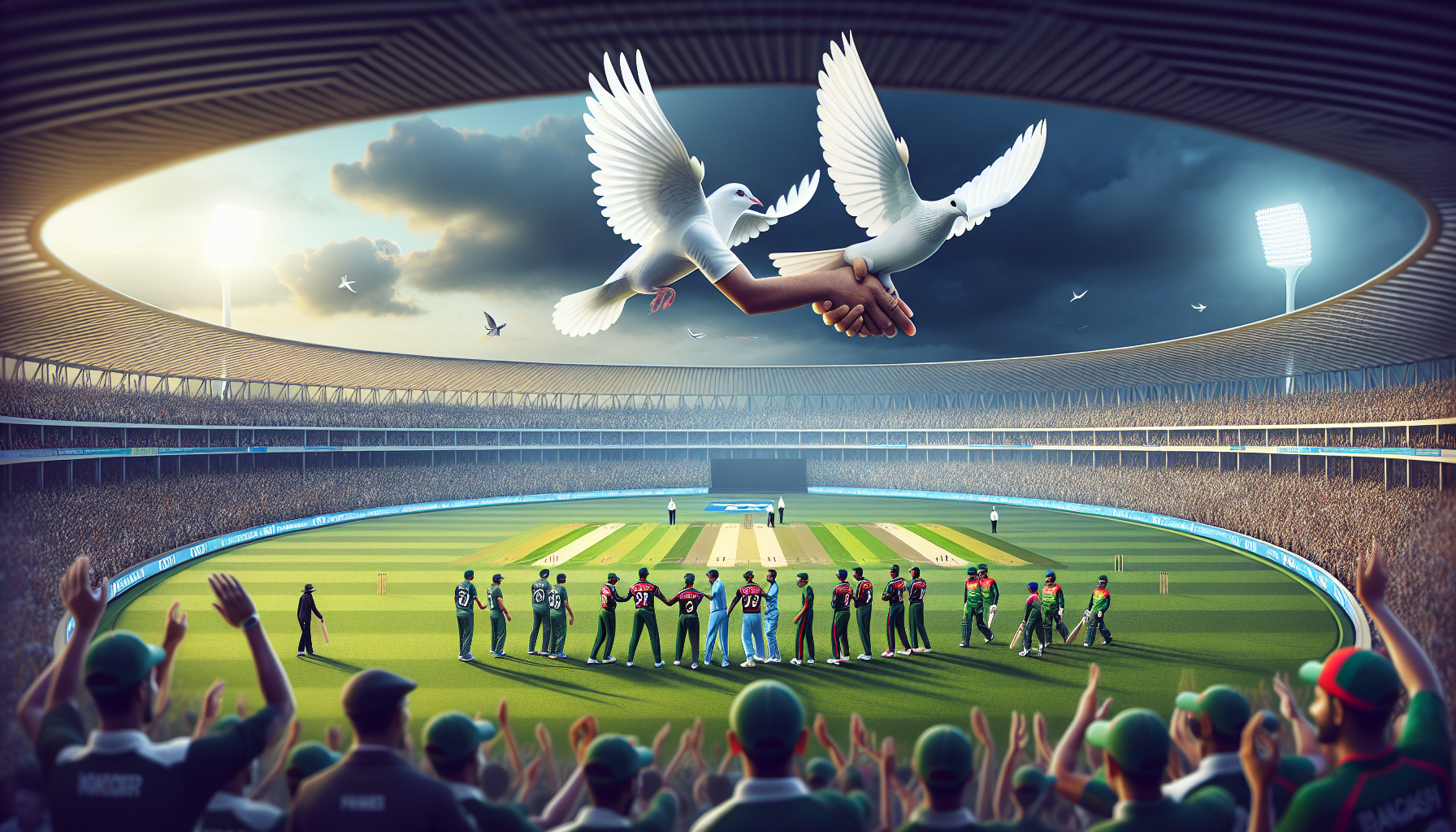
The Controversial Withdrawal: A Complex Web of Politics and Sports
In a dramatic turn of events that has stirred both sports enthusiasts and political analysts, the anticipated exit of Bangladesh’s T20 team from the World Cup serves as a stark reminder of how sports and politics are often intertwined. The sparks flew after the Board of Control for The IPL 2026: Unfolding the Cricket Extravaganza. Cricket in India (BCCI) made a controversial move to exclude pacer Mustafizur Rahman from the Indian Premier League (IPL) 2026 roster. This maneuver seems to have escalated an already tense political situation between India and Bangladesh.
BCCI’s Strategic Exclusion: A Political Gambit?
The decision to drop Mustafizur, a prominent figure in Bangladesh’s cricketing landscape, was not received in isolation. Many interpret this action as a calculated political gesture amid the growing strain on the diplomatic front. This action has been perceived as a slight affront to Bangladesh’s cricketing prowess and national pride, setting off a series of reactions that culminated in Bangladesh’s withdrawal from the T20 World Cup. An ex-chief of the Anti-Corruption Commission (ACC) described this situation as the Bangladesh Cricket Board (BCB) inadvertently falling into a calculated trap, emphasizing the underlying tensions that seem to fuel such decisions.
The Role of Public Sentiment: Amplifying Nationalism
Public emotions and national sentiment have always played a significant role in cricket, especially in the Indian subcontinent where the sport is revered. In this scenario, advancing anti-India sentiment within Bangladesh offered a tempting yet risky platform for the BCB’s decision. The withdrawal seemed to rely heavily on this nationalistic wave, stirring greater unity and fervor among its people but also risking international cricketing relations. This dichotomy poses a potential question about the true intentions of this divisive move—was it purely in opposition to perceived injustices, or a tactical maneuver to bolster internal support?
Long-Standing Rivalries: More Than Just a Game
The Bangladesh and India cricket rivalry dates back decades, often paralleled with political friction that occasionally muddies the sporting waters. What is primarily a game becomes a symbolic battlefield for historical and political disputes. The recent decision by Bangladesh to step back from the World Cup stage is another reflection of these long-held competitive spirits and embattled histories. It is a narrative that goes beyond bad sportsmanship or policy disagreements, speaking volumes about the underlying societal and political factors at play.
Cricket as a Diplomatic Tool: Navigating Future Relations
This unfolding saga reveals the critical role cricket can play in diplomacy between nations, both as a bridge and a barricade. The BCB’s decision to withdraw has significantly impacted the cricketing world’s view on how sports bodies handle interstate tensions through their sport. The repercussions of this pulling out extend beyond the loss of potential accolades or records; it has carved new sensitivities between these neighboring countries. Future diplomatic relations could hinge on how such sporting disputes are managed in the public domain, necessitating careful calibration of commentary and actions from each side.
Media Landscape and Public Perception
According to the Hindustan Times, media outlets in both Bangladesh and India have played pivotal roles in shaping public perception of the events surrounding the withdrawal. In the fast-paced exchange of coverage, the narratives crafted by the media have an undeniable impact on national sentiment and diplomatic relations. The portrayal of BCB’s decision and the BCCI’s role in the debacle is essential not only to comprehend the decisions made but to anticipate the possible trajectories of future engagement between these cricket-loving nations.
Strengthening Internal Structures: BCB’s Next Steps
For the Bangladesh Cricket Board, successfully navigating out of this storm involves assessing current strategies while realigning future approaches. This introspection will help them tackle similar challenges that may arise, both on and off the field. Building resilience in its organizational modality and cementing more robust, unbiased alignments could therefore determine how effectively the BCB can protect its sporting integrity while maintaining critical diplomatic relationships.
The Road Ahead: Lessons and Reflections
As the dust settles on what has been a controversial episode in the cricketing chronicles, the path forward requires a nuanced approach to mitigate the lasting impacts on diplomatic relationships and redefine the sport within national contexts. It invites crucial introspections for governing bodies on how politics should interface with sports and calls for increasingly sophisticated diplomatic negotiations in future engagements involving international sports meetings.
Frequently Asked Questions
- What initiated the tension between India and Bangladesh cricket boards?
- The tension rose sharply following the BCCI’s decision to exclude Bangladesh pacer Mustafizur Rahman from the IPL 2026, amidst existing diplomatic strains.
- Why is the rivalry between India and Bangladesh in cricket significant?
- The rivalry is deeply rooted in historical and political contexts, often treated as an extension of national pride and sentiment beyond just sport.
- How has public sentiment influenced the BCB’s decision?
- Nationalistic feelings within Bangladesh seemingly provided fuel for the BCB’s decision to leverage anti-India sentiments stirring public support.
- What role does the media play in this situation?
- Media narratives are crucial in shaping public perception and influencing the diplomatic environment between the two cricketing nations.
- What could be the future implications of the BCB’s withdrawal?
- The withdrawal could lead to strained cricketing relations and necessitate a revised approach for resolving international sports disagreements in the future.
Related: Bangladesh’s World Cup Withdrawal: Political Tensions and Cricket’s Future
For the background behind this, see our explainer on how cricket’s formats differ.
Related Analysis
Frequently Asked Questions
What initiated the tension between India and Bangladesh cricket boards?
The tension rose sharply following the BCCI's decision to exclude Bangladesh pacer Mustafizur Rahman from the IPL 2026, amidst existing diplomatic strains.
Why is the rivalry between India and Bangladesh in cricket significant?
The rivalry is deeply rooted in historical and political contexts, often treated as an extension of national pride and sentiment beyond just sport.
How has public sentiment influenced the BCB’s decision?
Nationalistic feelings within Bangladesh seemingly provided fuel for the BCB's decision to leverage anti-India sentiments stirring public support.
What role does the media play in this situation?
Media narratives are crucial in shaping public perception and influencing the diplomatic environment between the two cricketing nations.
What could be the future implications of the BCB’s withdrawal?
The withdrawal could lead to strained cricketing relations and necessitate a revised approach for resolving international sports disagreements in the future.