The Injury That Changed the Momentum
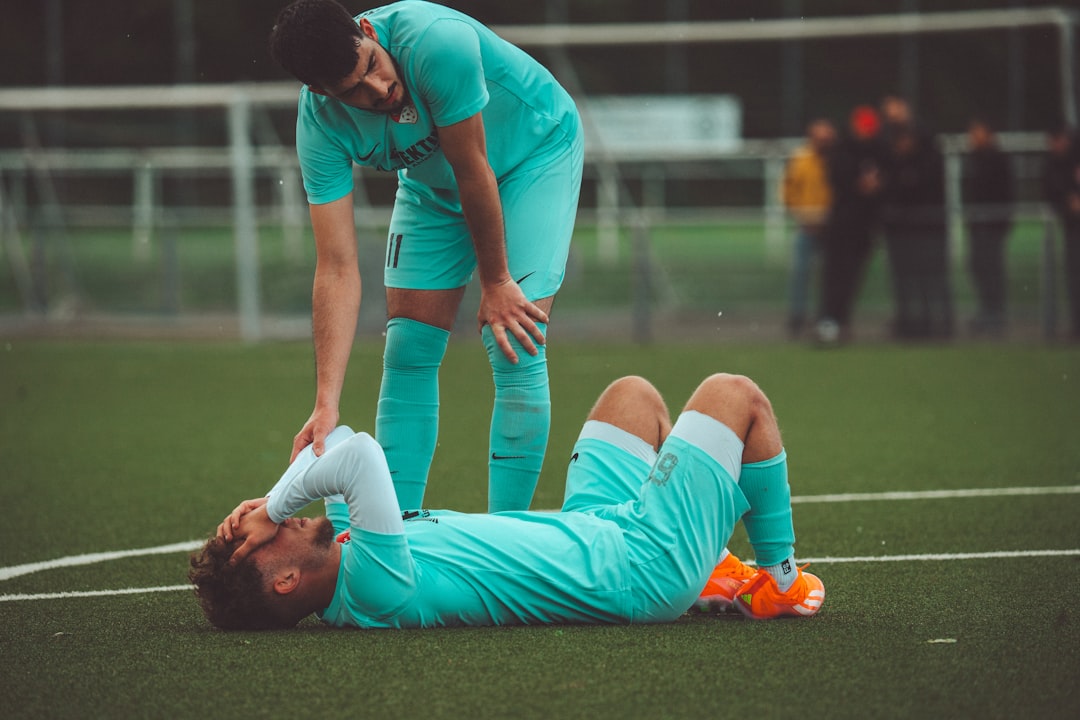
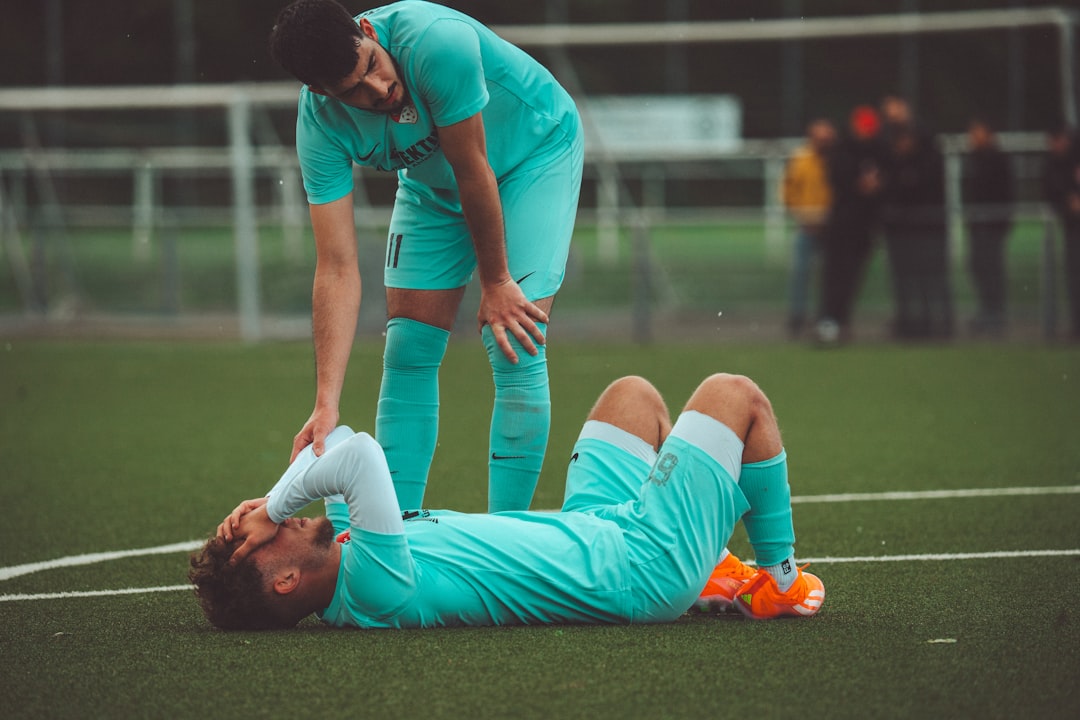
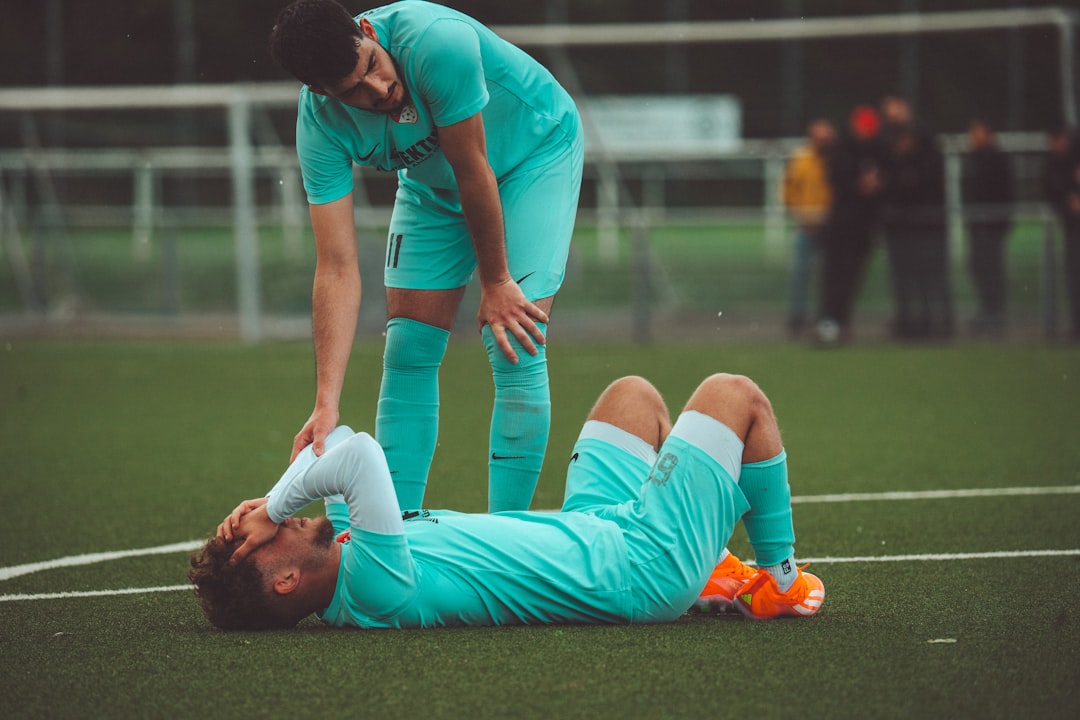
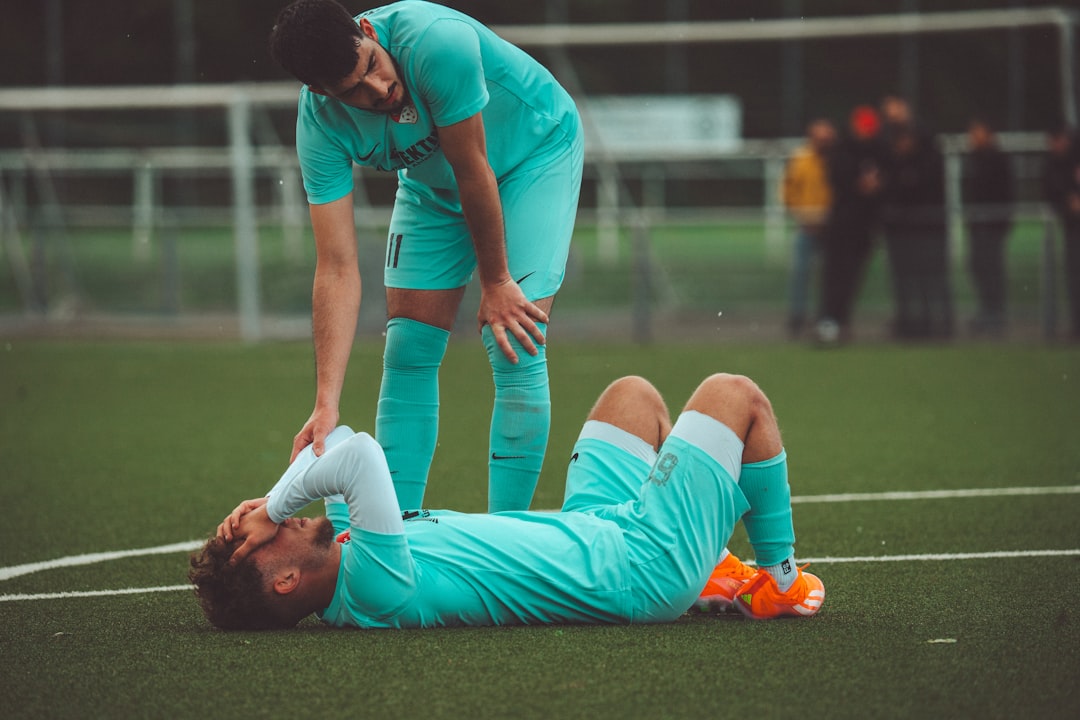
Khaleel Ahmed’s abrupt exit from the 2026 Indian Premier League was no ordinary setback. While delivering a crucial spell against the Kolkata Knight Riders, the 28‑year‑old left‑arm pacer experienced a sudden, painful jolt in his right quadriceps while attempting the final ball of his over. The injury, later confirmed as a Grade‑2 tear, will sideline him for at least ten to twelve weeks—effectively ending his participation in the remaining nine group‑stage matches for the Chennai Super Kings (CSK).
Immediate Impact on CSK’s Bowling Strategy
Khaleel entered the season as a frontline fast‑bowling option, complementing veteran spinners and providing early‑innings breakthroughs. In his first two seasons at the MA Chidambaram Stadium, he claimed 15 wickets in 2025, finishing as the team’s second‑highest wicket‑taker behind Noor Ahmad. His recent form—two wickets from five matches before the injury—suggested a growing role in a squad that heavily relies on depth and flexibility.
The loss of a bowler who can swing the ball both ways and consistently target top‑order batsmen forces the CSK management to rethink their pace allocation. With the IPL’s relentless schedule, the balance between conserving senior bowlers and exploiting the next‑man’s energy is delicate. The team now must look to its bench options and the market to fill the void.
Who Steps In? Analyzing the Replacement Pool
CSK’s roster already includes a few capable fast‑bowling understudies, most notably Spencer Johnson and Mukesh Choudhary. Johnson, a relatively untested talent, has shown promise in the Tamil Nadu Premier League, delivering respectable pace and accuracy. Choudhary, however, brings IPL experience, having taken 17 wickets across three seasons for the Super Kings. His familiarity with the home ground’s bounce and the crowd’s energy makes him a logical short‑term stand‑in.
Beyond internal options, the franchise could explore the mid‑season auction or trade window for a seasoned pacer. Historically, teams have turned to seasoned Indian quicks like T. Natarajan or overseas imports such as Jhye Richardson when faced with similar attrition. The key will be a player who can adapt quickly to CSK’s game plan while handling the pressure of high‑stakes matches in Chennai.
Strategic Shifts: From Pace‑Heavy to Spin‑Dominant?
If CSK struggles to find a viable fast‑bowling replacement, the team may double down on its spin arsenal. The Super Kings have long been praised for their spin‑centric approach, with K. Jadhav, Yuzvendra Chahal, and Noor Ahmad forming a formidable trio. By extending the spell lengths of these spinners and rotating them strategically, CSK could mitigate the loss of Khaleel’s early‑overs expertise.
However, relying heavily on spin in the early overs carries risks, especially against aggressive opening partnerships that thrive on pace. Opponents may target the slower ball to accelerate scoring, forcing CSK to defend higher totals. Consequently, the coaching staff must craft a hybrid strategy—utilize available quicks for the opening spell, then transition to spin once the ball settles.

Psychological Ripple Effects on the Squad
Injuries to key players often have intangible consequences that extend beyond tactics. Khaleel’s absence could affect team morale, especially for younger bowlers who viewed him as a mentor. The camaraderie built during practice sessions and the shared confidence in backing a reliable bowler can be hard to replace.
Head Coach Stephen Fleming has a reputation for fostering resilience. His previous handling of player injuries—most notably the 2024 knee issue of Ruturaj Gaikwad—showed an emphasis on mental preparation. By publicly wishing Khaleel a speedy recovery and emphasizing the “next man up” mentality, Fleming aims to keep the dressing room focused and motivated.
Long‑Term Outlook: What This Means for Khaleel’s Career
A Grade‑2 quadriceps tear, while serious, is typically not career‑threatening if managed correctly. Rehabilitation protocols involve rest, physiotherapy, and a graduated return to full training over 8‑10 weeks. For a fast bowler, flexibility and strength rebuilding are critical to prevent recurrence.
If Khaleel follows a disciplined program, he could return to full fitness before the next season’s preparations begin. Moreover, his young age—still under 30—affords him ample time to regain form. The injury might also serve as a catalyst for refining his bowling mechanics, potentially adding variations that could extend his effectiveness in the latter stages of his career.
Broader Implications for IPL Teams
Khaleel’s injury highlights a recurring theme across the IPL: the strain fast bowlers endure in a format that heavily favors batting. Teams that invest in robust workload management and depth in their pace departments tend to weather such setbacks better. The experience may prompt franchises to reassess their medical and conditioning strategies, placing greater emphasis on preventive care and early detection of muscular fatigue.
According to crictracker.com, the frequency of quadriceps and hamstring injuries among IPL fast bowlers has risen by roughly 15 % over the past three seasons. This trend underscores the need for innovative training regimens that balance intensity with recovery.
Fan Reaction and Media Narrative
CSK supporters took to social media en masse, expressing concern for Khaleel’s health and disappointment at the timing of his injury. While the franchise’s official Twitter handle shared a brief video of the incident and a wish for his swift recovery, fans also speculated about possible replacements, generating a buzz around potential auction moves. The narrative has shifted from celebrating CSK’s chase of a fourth consecutive title to questions of squad resilience and adaptability.
Conclusion: A Test of Depth and Adaptability
Khaleel Ahmed’s unexpected exit from IPL 2026 serves as a microcosm of the challenges faced by any franchise competing in a high‑intensity tournament. The Super Kings must now blend internal talent, strategic reshuffling, and possibly new acquisitions to preserve their championship aspirations. While the loss is a tangible blow, it also offers an opportunity for emerging bowlers to step into the spotlight and for the coaching staff to showcase tactical flexibility. As the season progresses, CSK’s response to this adversity will likely define their legacy beyond the headline‑grabbing victories.
Frequently Asked Questions
What exactly is a Grade‑2 quadriceps tear?
A Grade‑2 tear indicates a moderate muscle fiber rupture. It causes considerable pain and loss of strength, typically requiring 8‑12 weeks of rehabilitation before a player can return to full competitive action.
How many matches does CSK have left in the IPL season?
After Khaleel’s injury, the Super Kings have nine group‑stage matches remaining before the knockout phase.
Who are the most likely replacements for Khaleel in the CSK squad?
Spencer Johnson and Mukesh Choudhary, both already on CSK’s roster, are the primary internal options. The team could also explore the mid‑season auction for an experienced fast bowler.
Will Khaleel Ahmed miss the next IPL season?
Given the projected 10‑12‑week recovery window, Khaleel should be fit for the upcoming pre‑season training camp and therefore eligible for the next IPL, assuming no complications.
How does this injury affect CSK’s chances of winning the title?
The loss of a frontline pacer reduces depth, but CSK’s strong spin contingent and seasoned leadership keep them competitive. Their ultimate success will depend on how effectively they adapt their bowling strategy and integrate replacement players.
Our cricket guide explains why the slower ball draws the mistake in full.
Related Analysis
Frequently Asked Questions
What exactly is a Grade‑2 quadriceps tear?
A Grade‑2 tear indicates a moderate muscle fiber rupture. It causes considerable pain and loss of strength, typically requiring 8‑12 weeks of rehabilitation before a player can return to full competitive action.
How many matches does CSK have left in the IPL season?
After Khaleel’s injury, the Super Kings have nine group‑stage matches remaining before the knockout phase.
Who are the most likely replacements for Khaleel in the CSK squad?
Spencer Johnson and Mukesh Choudhary, both already on CSK’s roster, are the primary internal options. The team could also explore the mid‑season auction for an experienced fast bowler.
Will Khaleel Ahmed miss the next IPL season?
Given the projected 10‑12‑week recovery window, Khaleel should be fit for the upcoming pre‑season training camp and therefore eligible for the next IPL, assuming no complications.
How does this injury affect CSK’s chances of winning the title?
The loss of a frontline pacer reduces depth, but CSK’s strong spin contingent and seasoned leadership keep them competitive. Their ultimate success will depend on how effectively they adapt their bowling strategy and integrate replacement players. Our cricket guide explains why the slower ball draws the mistake in full.