From a Simple Inquiry to a Costly Deception
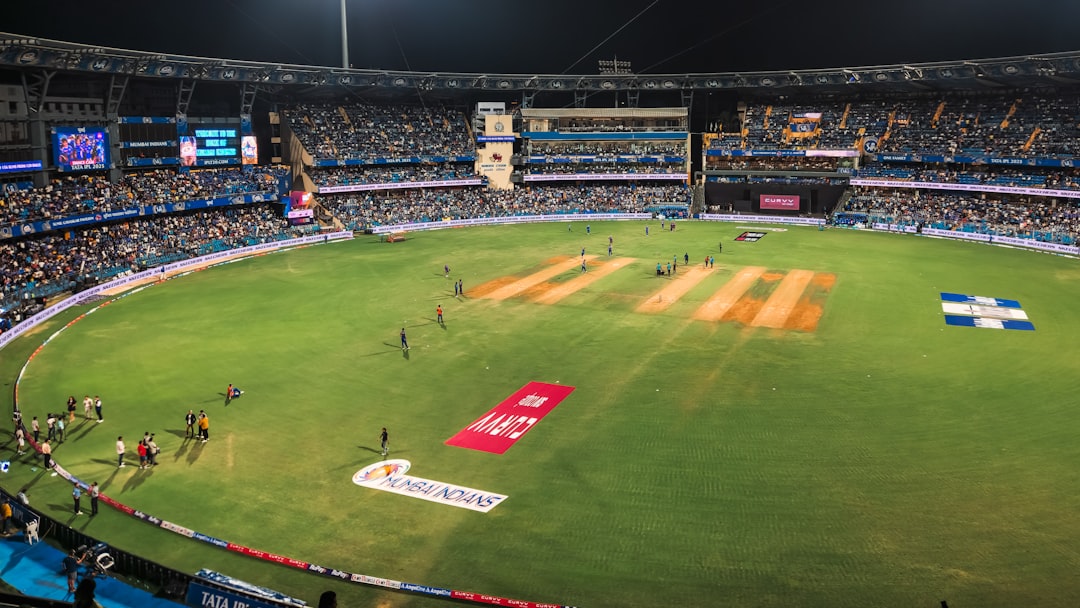
On the evening of March 28, a security guard stationed at Bangalore’s iconic M. Chinnaswamy Stadium found herself entangled in a sophisticated ticket scam that left her out of pocket by more than half a lakh. Employed by a private security firm, she was performing routine duties when a fellow bouncer suggested an opportunity to purchase tickets for the upcoming Indian Premier League (IPL) 2026 matches. The bouncer handed her a phone number, assuring her that it was a legitimate source for acquiring seats at the highly coveted games.
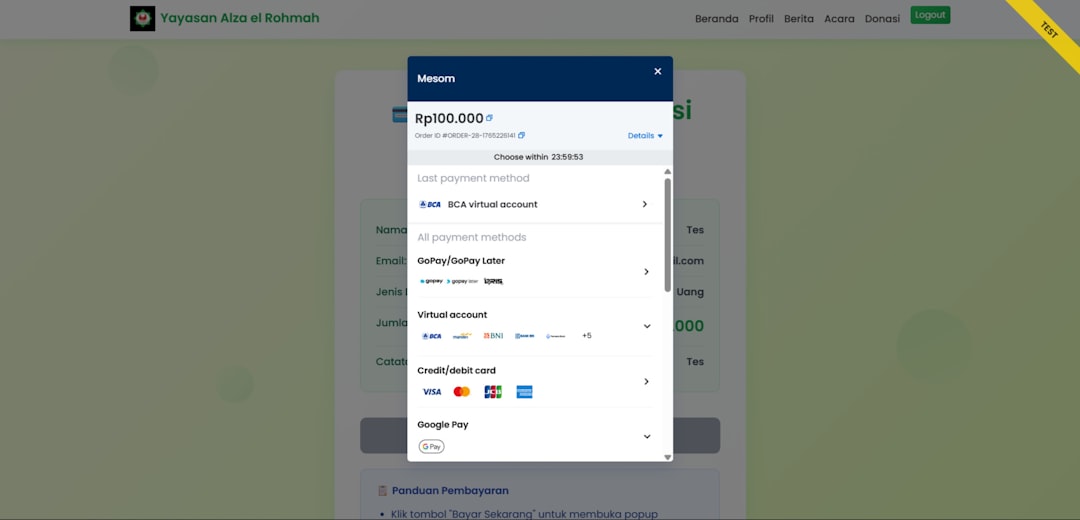
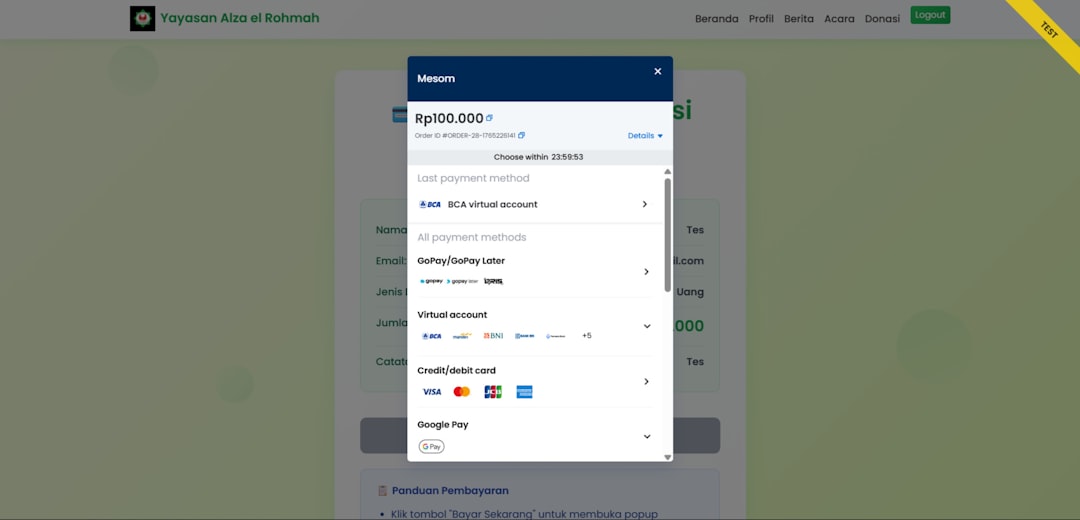
Trusting the insider tip, the guard contacted the number and was quickly prompted to make an initial payment of ₹3,000 for two tickets. The transaction was processed through a popular online payment platform, and the fraudster responded with QR codes that featured the guard’s name, creating an illusion of authenticity. Convinced she was dealing with an authorized reseller, she proceeded to place additional orders over the next week.
Between March 30 and April 4, she transferred a series of amounts—₹4,000, ₹3,000, ₹7,500, ₹25,500, and finally ₹12,500—culminating in a total outlay of ₹52,500. Each payment was routed to a bank account supplied by the scammer. Despite repeated assurances, the promised tickets never materialised. When the fraudster stopped answering calls and messages, the guard realised she had been duped and filed a formal complaint with local police.
Why IPL Ticket Scams Are Flourishing
The incident is not an isolated case; it mirrors a larger pattern of fraud that thrives on the IPL’s massive popularity. The league’s matches consistently sell out within minutes, and the secondary market is rife with inflated prices and dubious sellers. This scarcity creates a fertile environment for con artists who exploit the desperation of fans and, in this instance, even stadium staff.
According to crictracker.com, the rise in digital payment usage has inadvertently lowered the barrier for fraudsters to masquerade as genuine ticket vendors. By generating personalised QR codes and leveraging familiar names—such as “bouncer” or “stadium official”—they cultivate a veneer of credibility that can bypass a victim’s usual scepticism.
Several factors amplify the risk:
- Limited Official Channels: While the IPL’s official website and authorised partners offer tickets, many fans turn to third‑party providers for quicker access or better seats, opening the door for counterfeit operations.
- Rapid Transaction Culture: The expectation of instant confirmation encourages victims to accept digital proof—like QR codes—without verifying the source.
- Social Engineering: Scammers often pose as insiders, using industry jargon or referencing specific stadium locations to build trust.
The convergence of these elements means that even individuals who work within the sporting ecosystem, such as security personnel, are vulnerable. Their proximity to the venue may give a false sense of safety, while their limited exposure to formal ticket‑selling procedures leaves gaps in knowledge.





Impact on Everyday Workers and the Broader Fan Base
The financial loss for the guard is tangible, but the repercussions extend beyond the immediate monetary damage. Workers in security, hospitality, and ancillary roles often earn modest wages, making a ₹52,000 loss a significant setback. In many cases, victims must take unpaid leave to file complaints, attend investigations, and navigate insurance or legal processes, further straining their livelihood.
Beyond the individual, such scams erode public confidence in the legitimacy of secondary ticket markets. When fans hear stories of lost money, they become more cautious, potentially leading to reduced attendance or a shift toward official channels—if those channels can accommodate the demand. Conversely, the persistence of fraudulent outfits may push desperate fans deeper into the black market, perpetuating a vicious cycle.
For the IPL franchise owners and the Board of Control for Cricket in India (BCCI), these scams represent a reputational threat. While the league is not directly responsible for third‑party sales, repeated incidents can tarnish its image as a well‑managed sporting spectacle. The BCCI has periodically issued advisories, but the sheer volume of requests during the ticket‑release window makes comprehensive monitoring a daunting task.
Law Enforcement’s Response and the Challenges Ahead
After the guard lodged a complaint, the local police opened a case to trace the bank account used for the transactions. Initial investigations suggest a coordinated cyber‑crime operation, likely operating across state lines. Modern fraud rings often use disposable phone numbers, encrypted messaging apps, and multiple bank accounts to obscure their trail.
Detectives face several hurdles:
- Fast‑Moving Funds: Once money is transferred to a digital wallet or a bank that does not enforce stringent KYC (Know Your Customer), it can be quickly siphoned into multiple accounts.
- Anonymous Communication: Scammers rely on platforms that hide IP addresses, making it difficult to pinpoint the physical location of the perpetrators.
- Jurisdictional Issues: If the fraudsters operate from a different state or country, cooperation between law enforcement agencies becomes essential but time‑consuming.
Police have urged victims to preserve digital receipts, screenshots of QR codes, and any communication logs. For those who have fallen prey, early reporting is crucial, as it increases the likelihood of freezing the fraudulent account before the money is moved.
Preventive Measures for Potential Ticket Buyers
While authorities work to dismantle fraud networks, individuals can adopt simple yet effective strategies to safeguard themselves:
- Verify the Source: Purchase tickets only from the IPL’s official website, authorized partners, or verified resale platforms that guarantee authenticity.
- Cross‑Check Phone Numbers: If approached by a “bouncer” or any unofficial person, request a written confirmation from the venue’s ticket office before making any payment.
- Use Secure Payment Methods: Opt for payment gateways that offer buyer protection, and avoid direct bank transfers to unknown accounts.
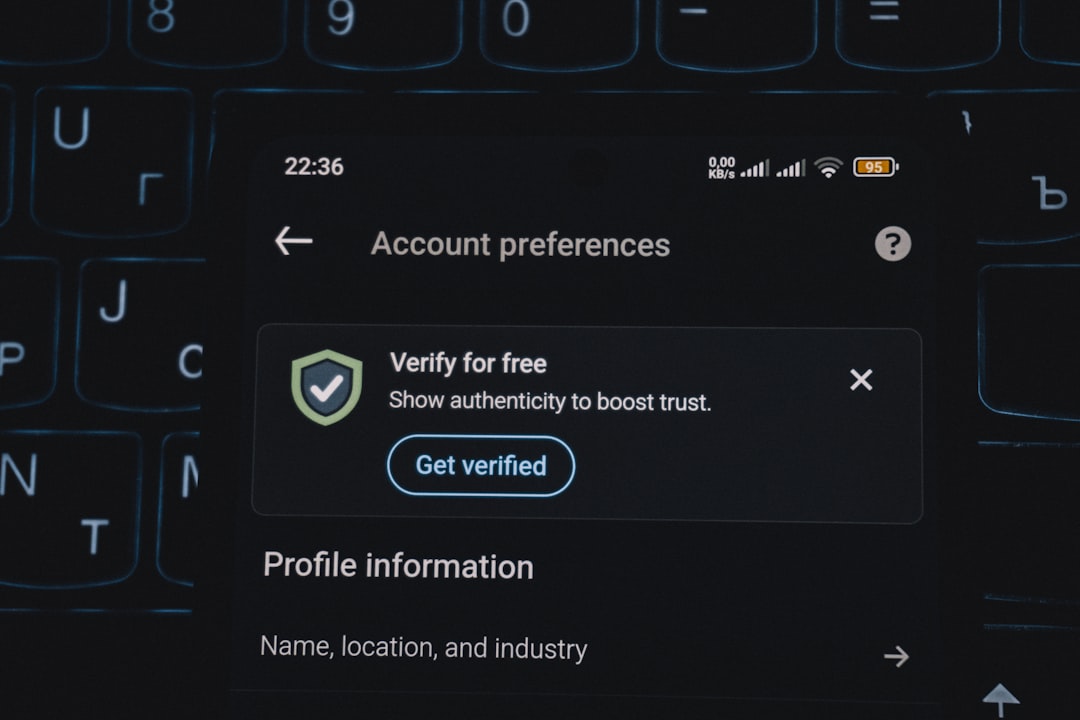
- Inspect QR Codes Carefully: Genuine QR codes should lead to the official ticketing site; scanning them with a trusted app can reveal the destination URL.
- Stay Informed: Follow official IPL announcements on social media and subscribe to alerts that warn of known scams.
Employers of stadium staff can also play a role by providing training on common scams and establishing clear protocols for ticket acquisition. A brief workshop or an internal bulletin could empower workers to recognise red flags and report suspicious offers promptly.
Looking Ahead: Strengthening the Ticketing Ecosystem
Long‑term solutions require collaboration between the IPL, ticketing platforms, financial institutions, and law enforcement. Some proposed initiatives include:
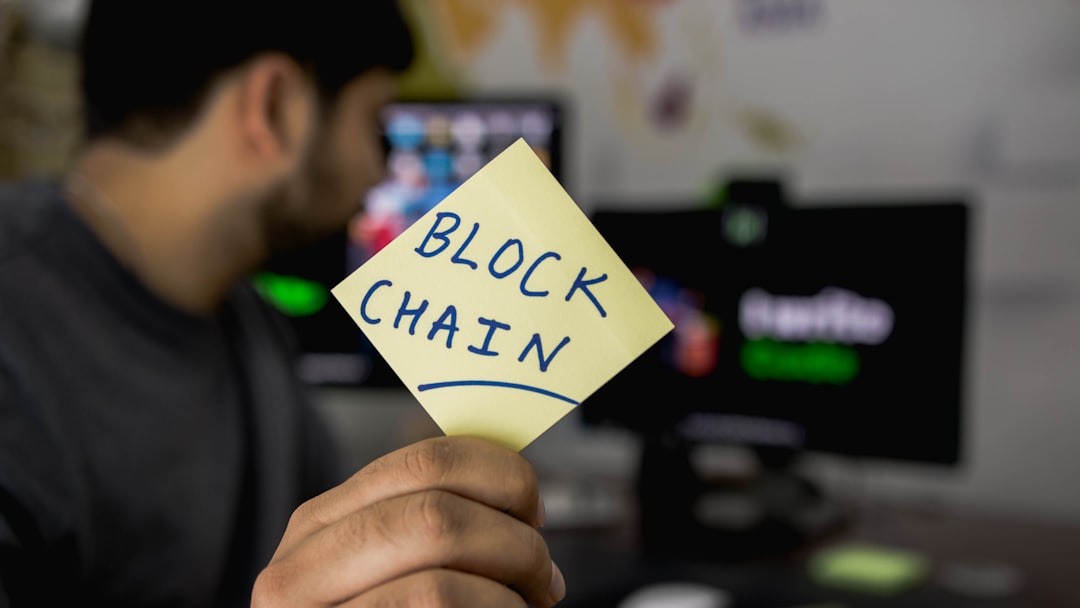
- Blockchain‑Based Ticketing: Leveraging immutable ledgers could ensure each ticket’s provenance is traceable, making duplication virtually impossible.
- Real‑Time Monitoring: AI‑driven tools that scan social media and messaging apps for keywords related to ticket sales could flag counterfeit offers before they reach victims.
- Enhanced Consumer Education: Nationwide campaigns that explain the risks of secondary markets and demonstrate how to verify legitimate sellers.
- Stricter Regulation of Resale Platforms: Mandating that platforms verify the identity of sellers and provide refunds for confirmed fraud cases.
Incorporating these measures will not eliminate fraud overnight, but they can dramatically reduce the success rate of scams, protect fans, and restore trust in the excitement that surrounds IPL cricket.
Frequently Asked Questions
What should I do if I suspect a ticket seller is fraudulent?
Immediately stop any payment, document all communications, and contact the IPL’s official support line or local police. Provide screenshots of QR codes, chat logs, and bank transaction details.
Are there any official channels for reselling IPL tickets?
Yes. The IPL partners with a few authorised resale platforms that verify sellers and guarantee ticket authenticity. Always use these platforms for secondary market purchases.
Can I get a refund if I bought tickets from a scammer?
Refunds depend on the payment method used. Some digital wallets offer buyer protection that can reverse fraudulent transactions. Contact your payment provider promptly to explore your options.
Why do scammers target stadium staff?
Staff members are perceived as having insider access, making them attractive targets. Scammers exploit this perception by presenting themselves as fellow employees or trusted venue personnel.
How can I verify a QR code for a ticket?
Use a reputable QR‑code scanner app to view the linked URL. If the address does not belong to the official IPL ticketing domain, avoid proceeding with the transaction.
New to the detail here? Read about the pull and hook shots explained.
Related Analysis
Frequently Asked Questions
What should I do if I suspect a ticket seller is fraudulent?
Immediately stop any payment, document all communications, and contact the IPL’s official support line or local police. Provide screenshots of QR codes, chat logs, and bank transaction details.
Are there any official channels for reselling IPL tickets?
Yes. The IPL partners with a few authorised resale platforms that verify sellers and guarantee ticket authenticity. Always use these platforms for secondary market purchases.
Can I get a refund if I bought tickets from a scammer?
Refunds depend on the payment method used. Some digital wallets offer buyer protection that can reverse fraudulent transactions. Contact your payment provider promptly to explore your options.
Why do scammers target stadium staff?
Staff members are perceived as having insider access, making them attractive targets. Scammers exploit this perception by presenting themselves as fellow employees or trusted venue personnel.
How can I verify a QR code for a ticket?
Use a reputable QR‑code scanner app to view the linked URL. If the address does not belong to the official IPL ticketing domain, avoid proceeding with the transaction. New to the detail here? Read about the pull and hook shots explained.