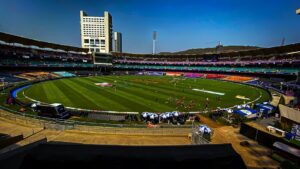
How the Scam Unfolded Inside M. Chinnaswamy Stadium
The buzz that usually surrounds Royal Challengers Bengaluru’s home games turned sour when the Bengaluru Central Crime Branch (CCB) cracked a network that had been siphoning off premium IPL tickets for resale at obscene prices. The investigation zeroed in on a canteen worker named Chandrasekhar, employed at the Sri Lakshmi Canteen inside the M. Chinnaswamy Stadium. According to the CCB, Chandrasekhar was the operational front‑man, receiving bulk allocations of tickets and then selling them on the secondary market for far‑higher rates.
The tickets in question were not ordinary walk‑in seats. They were corporate blocks booked through Ticketgenie, the official ticketing platform that the franchise and the Karnataka State Cricket Association (KSCA) rely on for handling high‑value sales. By registering the purchases under the names of private enterprises—Swastik Heavy Engineering and Industrial Automation Consultant Company, and Dharani Computers Company—the perpetrators created a veneer of legitimacy that helped them bypass routine checks.
After the tickets were secured, Chandrasekhar allegedly handed them over to a KSCA insider, identified as Ganesh Pareekshit, who is currently evading authorities. Pareekshit is accused of orchestrating the entire scheme, instructing Chandrasekhar to inflate prices and distribute the tickets via a network of brokers who cater to affluent fans willing to pay anywhere between ₹15,000 and ₹19,000 per seat.
Financial Scale and Legal Repercussions
The CCB’s audit revealed a staggering sum of illegal revenue. In just three matches, more than 100 tickets were resold, generating close to ₹1.8 million (approximately $22,000) in illicit profit. Earlier, 81 tickets valued at over ₹660,000 were booked under the two corporate names, raising suspicions about systematic abuse of the ticketing system. The crime branch has already filed formal charges against the managing directors of the companies involved, accusing them of facilitating the black‑market operation.
Legal experts point out that the scandal underscores a loophole in the current ticket allocation model. “When corporate bookings can be masked by shell entities, it becomes difficult for regulators to trace the ultimate beneficiary,” notes a sports law analyst. The potential penalties range from hefty fines to imprisonment, depending on whether the courts view the act as simple fraud or an organized criminal conspiracy.
Impact on Fans and the IPL Ecosystem
For the average cricket enthusiast, the fallout is immediate and personal. Tickets for high‑profile matches are already scarce, and the emergence of a black market drives up prices, effectively pricing out middle‑class supporters. The IPL’s brand equity hinges on creating a vibrant, inclusive atmosphere where fans from all walks of life can cheer their teams. A thriving resale market threatens that ethos, eroding trust between the league, the host stadium, and its loyal fan base.




Moreover, the scandal could have a ripple effect on future ticketing policies. The Board of Control for Cricket in India (BCCI) has been experimenting with blockchain‑based solutions to increase transparency, but the Chinnaswamy case illustrates the challenges of implementing technology without addressing human collusion. Stakeholders are now calling for stricter vetting of corporate bookings, real‑time monitoring of ticket transfers, and harsher deterrents for insiders who exploit privileged access.
Broader Context: Ticket Reselling in Indian Sports
While IPL matches command the lion’s share of media attention, the problem of ticket scalping is not new in Indian sports. Football, hockey, and even cricket’s Test matches have witnessed similar episodes, often involving a mix of officials, private brokers, and enthusiastic fans. In each case, the common denominator is the lack of an enforceable “no‑resale” clause and the absence of a centralized registry that can track the provenance of each ticket from issuance to final consumption.
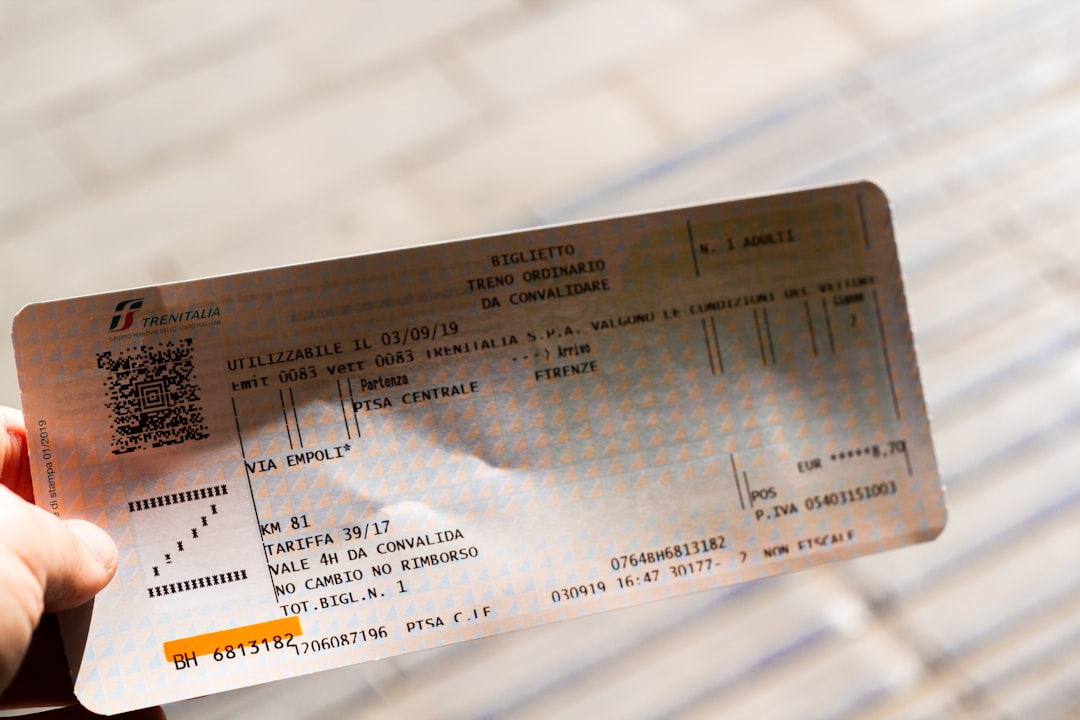
Internationally, leagues such as the English Premier League and the National Basketball Association have adopted sophisticated ticket‑tracking systems, including encrypted QR codes and dynamic pricing models that discourage profiteering. The Indian market, with its massive fan base and digital savviness, is ripe for such innovations. The Chinnaswamy incident may act as a catalyst, prompting the BCCI and other sports bodies to fast‑track adoption of secure, end‑to‑end ticketing ecosystems.

What Authorities Are Doing Next
The CCB has announced that the investigation is ongoing and that they are expanding their probe beyond the stadium premises. They plan to audit all corporate bookings made through Ticketgenie for the remainder of the IPL season, cross‑checking them against the corporate registries to confirm legitimacy. Simultaneously, the KSCA has pledged full cooperation, stating that any member found complicit will face suspension and possible expulsion.
In a statement released to the press, the KSCA emphasized its commitment to “preserving the integrity of cricket and safeguarding the rights of genuine supporters.” The association also hinted at launching a public awareness campaign that will educate fans on how to identify legitimate ticket sources and report suspicious activities.
Looking Ahead: Safeguarding the Fan Experience
For the IPL, the challenge now is twofold: restoring confidence among its fan base and fortifying its ticketing infrastructure against future exploitation. Potential solutions include:
- Verified Identity Checks: Linking ticket purchases to a government‑issued ID could deter bulk purchases for resale.
- Dynamic Pricing: Adjusting ticket prices in real time based on demand can reduce the arbitrage margin for scalpers.
- Blockchain Ledger: Recording each transaction on an immutable ledger would make it easier to trace the flow of tickets.
- Strict Corporate Booking Audits: Requiring full corporate documentation before approving bulk orders.
- Legal Deterrents: Imposing clearer, harsher penalties for both sellers and buyers who engage in black‑market activities.
Fans, too, have a role to play. By refusing to purchase from unofficial vendors and reporting irregularities, they can collectively push the ecosystem toward greater transparency.
Key Takeaways
The arrest of a canteen worker inside M. Chinnaswamy Stadium may seem like a small footnote in a season packed with high‑octane cricket, but it shines a spotlight on a deeper, systemic issue. When ticketing processes are vulnerable to manipulation, the spectacle of sport is tarnished, and the very people who sustain it—its supporters—are left disenfranchised. The ongoing investigation, coupled with potential policy reforms, offers a hopeful trajectory toward a fairer, more secure ticketing landscape for Indian cricket and beyond.
Frequently Asked Questions
What exactly is ticket black‑marketing?
Ticket black‑marketing, or scalping, involves buying tickets—often in bulk—at face value and reselling them at higher prices on an unofficial market, exploiting scarcity and fan demand.
Who was arrested in the Chinnaswamy stadium case?
The CCB apprehended Chandrasekhar, a canteen employee at Sri Lakshmi Canteen, who was allegedly the operational link handing over tickets to a KSCA member for resale.
How much money was made from the illegal ticket sales?
Investigators estimate that roughly ₹1.8 million (about $22,000) in revenue was generated from illicit sales of over 100 tickets across three IPL matches.
What actions are being taken to prevent future scams?
Authorities are auditing all corporate bookings, tightening KSCA oversight, and considering technology‑driven solutions such as blockchain ticketing and stricter identity verification.
Can fans still trust the official ticketing platform?
Yes. While the scandal exposed vulnerabilities, the official platform remains the safest channel. Fans are urged to purchase only through Ticketgenie and report any suspicious offers.
Related Analysis
Frequently Asked Questions
What exactly is ticket black‑marketing?
Ticket black‑marketing, or scalping, involves buying tickets—often in bulk—at face value and reselling them at higher prices on an unofficial market, exploiting scarcity and fan demand.
Who was arrested in the Chinnaswamy stadium case?
The CCB apprehended Chandrasekhar, a canteen employee at Sri Lakshmi Canteen, who was allegedly the operational link handing over tickets to a KSCA member for resale.
How much money was made from the illegal ticket sales?
Investigators estimate that roughly ₹1.8 million (about $22,000) in revenue was generated from illicit sales of over 100 tickets across three IPL matches.
What actions are being taken to prevent future scams?
Authorities are auditing all corporate bookings, tightening KSCA oversight, and considering technology‑driven solutions such as blockchain ticketing and stricter identity verification.
Can fans still trust the official ticketing platform?
Yes. While the scandal exposed vulnerabilities, the official platform remains the safest channel. Fans are urged to purchase only through Ticketgenie and report any suspicious offers.