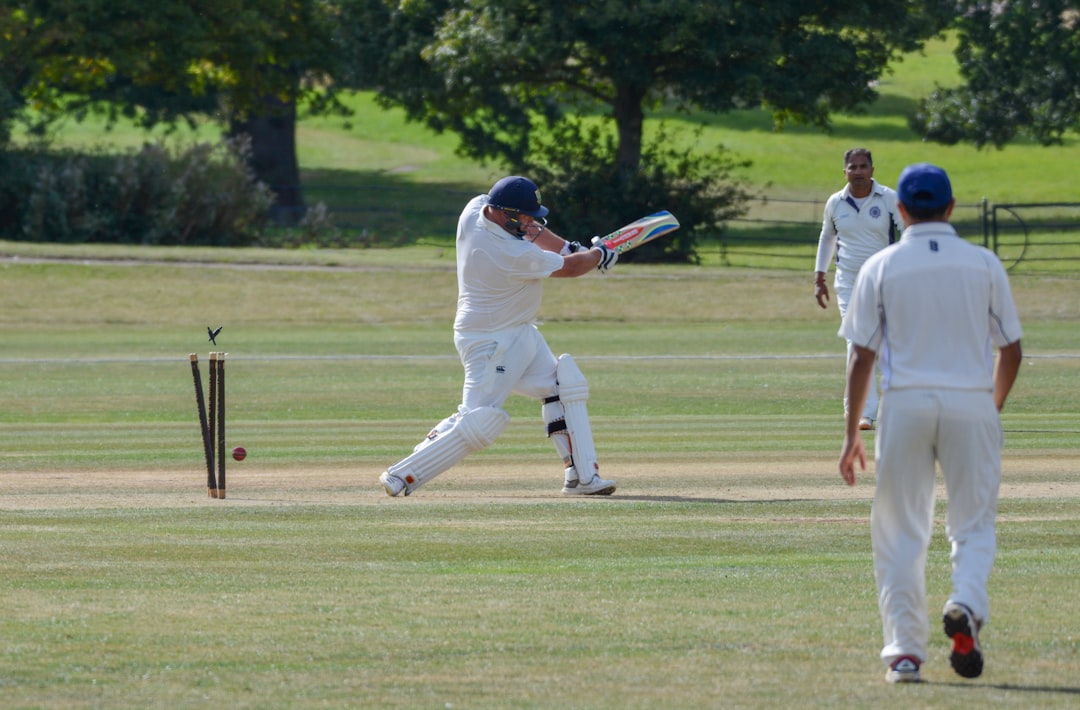
Imagine the sound of the ball thudding neatly against the middle of the bat, propelling it straight down the ground with minimal risk of an edge. That moment of pure timing and balance is the hallmark of a perfectly executed straight drive, a shot that separates the technically confident from the merely competent.
Understanding the mechanics, footwork, and mental cues behind the straight drive technique in cricket equips a batsman to dominate the off side while preserving wicket safety. Below are nine analytical insights that illuminate every facet of this classic stroke.
Footwork Foundations for a Controlled Straight Drive
Short, Balanced Stance Sets the Starting Point
A compact stance with knees slightly flexed and weight evenly distributed over the balls of the feet ensures agility. The hips should be centered under the middle of the body, allowing a smooth transfer of power from the lower to the upper body.
Diagonal Step Aligns the Front Foot with the Pitch of the Ball
As the bowler releases, a small diagonal step forward aligns the front foot with the line of the intended drive. The foot lands with the toe pointing toward the off side, creating a stable axis for the bat swing.
Weight Transfer Completes the Motion
After the front foot plants, the weight shifts forward, loading the front leg. This forward shift drives the hips into the shot, providing the momentum needed to guide the ball down the ground.
Bat Swing Mechanics that Produce a Straight Trajectory
Early Backlift Aligns the Bat for a Straight Path
The backlift should rise just behind the shoulder line, keeping the bat face pointing slightly toward the off side. This angle prevents the bat from turning inward, which could cause an edge.
Acceleration Through the Line of the Ball
From the apex of the backlift, the bat accelerates forward in a straight line, meeting the ball at the optimal point of contact—just below the eyes. Maintaining a straight bat path minimizes deviation and maximizes ground coverage.
Follow‑Through Extends the Direction
After contact, the bat continues its motion forward and slightly upward, pointing toward the bowler’s end. This follow‑through not only adds power but also ensures that the ball rolls on the pitch rather than bouncing high.
Timing and Rhythm: The Invisible Elements
Reading the Bowler’s Release Point
Effective timing begins with spotting the bowler’s hand at the moment of release. Recognizing the ball’s trajectory early enables the batsman to adjust the stride and swing accordingly.
Synchronizing Footwork with the Swing
Footwork must complete before the bat reaches the ball. A lag in foot placement leads to a rushed swing, increasing the chance of a mishit. Practicing the foot‑bat synchronization builds a natural rhythm.

Maintaining a Calm Head Position
Keeping the head still and eyes fixed on the ball’s seam line stabilizes the whole body. Any head movement can disrupt balance, causing the bat to stray from the straight line.
Situational Awareness: When to Deploy the Straight Drive
Full Length and Good Length Deliveries Favor the Shot
Bowls that land in the ideal length zone allow the batsman to step forward comfortably. Too short a length forces a pull or cut, while too full a length may invite a defensive front‑foot defense.
Pitch Conditions Influence Risk
Dry, hard surfaces provide predictable bounce, encouraging a straight drive. On slower or uneven pitches, the ball may skid or rise unexpectedly, making a ground‑stroke riskier.
Field Placement Determines Reward
When fielders are positioned deep on the off side or mid‑wicket, a straight drive can penetrate gaps and earn runs. Conversely, a tightly packed off‑side field may require a more selective approach.
Common Mistakes and How to Correct Them
Opening the Bat Too Early Leads to Edges
Prematurely bringing the bat down often results in the ball glancing off the edge of the bat. The correction involves delaying the swing until the foot lands and the weight shifts forward.
Over‑Rotating the Wrists Causes a Missed Straight Line
Excessive wrist rotation tilts the bat face inward, turning the shot into a leg glance. Practicing the wrist in a neutral position while maintaining a straight bat path helps eliminate this error.
Insufficient Follow‑Through Reduces Power
Stopping the bat abruptly after contact shortens the transfer of kinetic energy. Encouraging a full, fluid follow‑through ensures maximum power and a low, rolling ball.
Training Drills to Refine the Straight Drive
Shadow Batting with Video Feedback
Perform the full footwork and bat swing without a ball, recording the session. Reviewing the video highlights any deviations in stance, bat path, or follow‑through.
Target Nets Drill
Place a tall cone or marker a few meters down the ground. Practise driving the ball to hit the target, focusing on a low, rolling trajectory.
Resistance Band Power Development
Attach a resistance band to the bat handle and perform swing motions. The added load builds strength in the forearms, shoulders, and core, translating to a more forceful straight drive.
Takeaway: Mastery of the Straight Drive Elevates Batting Consistency
By integrating precise footwork, a disciplined bat swing, and acute situational judgment, a batsman can turn the straight drive into a reliable source of runs. Continuous practice, combined with keen self‑analysis, transforms a good shot into a hallmark of batting excellence. The next time a bowler delivers a full length ball, envision the seamless chain of movements described here, and let the ball travel straight down the pitch with confidence.
Frequently Asked Questions
How does the front‑foot placement affect the straight drive?
Placing the front foot diagonally toward the off side creates a stable base and aligns the body with the intended shot direction, facilitating a straight bat path and natural power transfer.
Can the straight drive be effective on a slow, low‑bouncing pitch?
Yes, but the batsman must adjust by playing the ball slightly earlier and ensuring a firm forward follow‑through to keep the ball low and prevent it from bouncing excessively.
What role does the head position play in executing the shot?
A steady head and eyes fixed on the ball’s seam line maintain balance and timing, reducing the likelihood of misjudgment and edge formation.
Is a straight drive suitable for all batting styles?
While the fundamentals apply universally, players who favor a more aggressive style may adapt the shot to incorporate a quicker footwork tempo, whereas defensive players may emphasize a slower, more controlled swing.
How often should a batsman practise the straight drive in training?
Regular short sessions focusing on technique—such as target nets or shadow batting—combined with occasional full‑length practice, help embed the movement patterns without causing fatigue or over‑analysis.
Frequently Asked Questions
How does the front‑foot placement affect the straight drive?
Placing the front foot diagonally toward the off side creates a stable base and aligns the body with the intended shot direction, facilitating a straight bat path and natural power transfer.
Can the straight drive be effective on a slow, low‑bouncing pitch?
Yes, but the batsman must adjust by playing the ball slightly earlier and ensuring a firm forward follow‑through to keep the ball low and prevent it from bouncing excessively.
What role does the head position play in executing the shot?
A steady head and eyes fixed on the ball’s seam line maintain balance and timing, reducing the likelihood of misjudgment and edge formation.
Is a straight drive suitable for all batting styles?
While the fundamentals apply universally, players who favor a more aggressive style may adapt the shot to incorporate a quicker footwork tempo, whereas defensive players may emphasize a slower, more controlled swing.
How often should a batsman practise the straight drive in training?
Regular short sessions focusing on technique—such as target nets or shadow batting—combined with occasional full‑length practice, help embed the movement patterns without causing fatigue or over‑analysis.