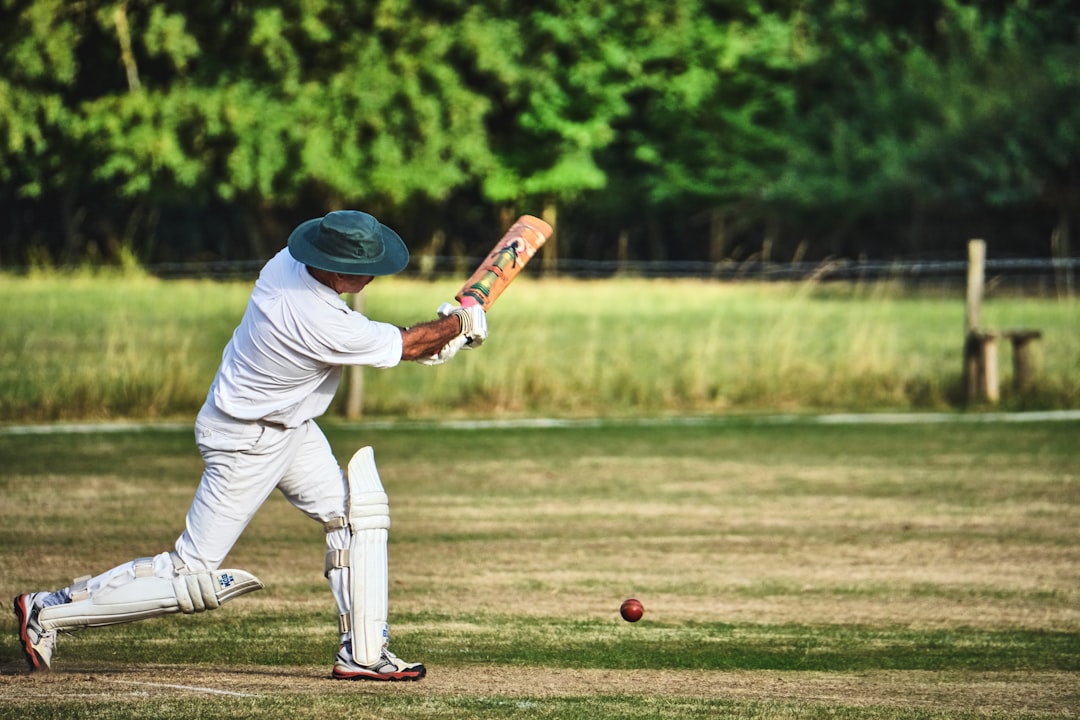
When a quick‑bouncing delivery lands just outside the off‑stump, the keeper’s split‑second decision can stop runs, create dismissals, and shift the momentum of a match. Developing the precise blend of agility, anticipation, and technique that separates a competent keeper from a great one hinges on disciplined practice of wicketkeeping fundamentals. This article breaks down nine analytical steps that aspiring keepers can embed into every training session.
Step‑One: Establish a Consistent Stance and Grip
Define the body alignment for optimal balance
The keeper’s knees should be flexed lightly, hips aligned behind the stumps, and shoulders squared to the batsman. This posture provides a low centre of gravity, allowing rapid movement in any direction without compromising stability.
Adopt a glove grip that enhances feel
Both hands should hold the gloves with a relaxed yet firm grip, keeping the fingers slightly curved. The thumb rests on the side of the glove, enabling quick adjustments when the ball deviates from the expected line.
Step‑Two: Refine Footwork Patterns
Practice lateral shuffles to cover the line of the ball
Effective footwork begins with short, controlled side‑to‑side shuffles. By keeping the steps small, the keeper can react to variations in pace and spin while maintaining a ready stance for a catch or stumping.
Integrate forward and backward movements for bounce handling
When a ball rises sharply, a quick forward step positions the gloves beneath the trajectory. Conversely, for short deliveries that tumble low, a nimble back‑step ensures the keeper does not miss a low‑catch opportunity.
Step‑Three: Hone Glove‑Side Catch Technique
Focus on soft hands and wicket‑keeping specific catching
Unlike a fielder’s high catch, the keeper’s catch emphasizes a relaxed hand position that absorbs the ball’s momentum. The palms face upward, fingers spread slightly, and the gloves close gently around the ball as it arrives.
Develop hand‑eye coordination through targeted drills
Drills such as catching tennis balls from varying angles, or using a ball‑throwing machine at differing speeds, sharpen the keeper’s ability to track the ball from bowler’s hand to glove.
Step‑Four: Master Stumping Mechanics
Synchronise glove and foot movement when the batsman steps out
When a batsman leaves the crease, the keeper must strike quickly, lowering the glove while simultaneously removing the front foot. Timing the removal of the foot with the completion of the catch secures a clean dismissal.
Practice the “quick‑release” motion under pressure
Repetitive scenario‑based drills—such as simulated batsmen advancing on a cue—help embed the reflex to snap the stumping motion without hesitation.
Step‑Five: Build Reaction Speed to Edges and Deflections
Use reaction‑ball devices to simulate unpredictable edges
Reaction balls bounce in random directions, forcing the keeper to adjust instantly. This drill develops the peripheral awareness needed for edges that flick off the bat at unexpected angles.
Implement mirror‑drills for visual tracking
Standing in front of a mirror while a partner taps the glove with a ball allows the keeper to observe body mechanics, ensuring the eyes stay fixed on the ball’s trajectory throughout the catch.
Step‑Six: Enhance Throwing Accuracy and Power
Adopt the “overhead release” technique for long throws
For throws from the pitch to the stumps, the keeper should raise the ball above the head, using a fluid motion that transfers kinetic energy from the legs through the torso to the arm. This technique balances speed with precision.
Practice targeted throws to a standing or moving target
Setting up a reliable target at the non‑striker’s end and varying the distance trains the keeper to adjust release angle and force, ultimately reducing missed run‑out opportunities.
Step‑Seven: Cultivate Game Awareness and Communication
Read the bowler’s rhythm to anticipate variations
Experienced keepers study a bowler’s run‑up, grip, and release point, allowing them to anticipate swing, seam, or spin before the ball leaves the hand. This foresight shortens reaction time.
Maintain constant dialogue with fielders and bowlers
Clear, concise calls—such as “wide,” “over,” or “short”—help coordinate field placements and prevent miscommunication that could lead to extra runs.
Step‑Eight: Develop Physical Conditioning Specific to Keeping
Strengthen core and lower‑body muscles for stability
A strong core supports rapid movements and prevents fatigue during long innings. Exercises like planks, lunges, and squats build the endurance required for sustained crouching and sudden bursts.
Include flexibility routines to avoid injury
Dynamic stretches before practice and static stretches after sessions keep the hips, knees, and shoulders supple, reducing the risk of strains from sudden dives or lunges.
Step‑Nine: Analyze Performance Through Video Review
Identify technical gaps by watching match footage
Reviewing recordings of one’s own keeping allows the player to spot deviations in foot placement, glove angle, or timing that may not be evident in real‑time practice.
Set measurable improvement goals based on observations
After each review, define specific targets—such as reducing missed low catches by a certain percentage—or focus areas for the next training session.
Key Takeaways for Aspiring Keepers
Mastering wicketkeeping fundamentals requires a structured approach that blends technical drills, physical conditioning, and mental acuity. By systematically applying the nine analytical steps outlined above—starting with stance, moving through footwork, glove work, and culminating in performance analysis—keepers can refine each component of their game. Consistent practice, coupled with honest self‑assessment, transforms raw talent into reliable, match‑winning skill.
Frequently Asked Questions
How often should a keeper practice footwork drills?
Integrating footwork drills into every training session—ideally for 10‑15 minutes—ensures the movements become instinctive and adaptable to varied bowling styles.
What type of glove fit is optimal for a beginner?
A glove that rests snugly against the palm without excessive pressure allows for natural hand movement while providing enough padding to protect against fast deliveries.
Can a keeper improve throwing accuracy without a full‑length pitch?
Yes, short‑range target drills using cones or markers can develop the mechanics of a precise throw, which can later be scaled up to full‑length distances.
How does a keeper maintain focus during long innings?
Regular short breaks to stretch, hydration, and mental cues—such as a brief visual reset after each over—help sustain concentration over extended periods.
Is video analysis necessary for amateur keepers?
While not mandatory, reviewing personal footage offers valuable insight into technique and highlights areas for targeted improvement, accelerating development for players at any level.
Frequently Asked Questions
How often should a keeper practice footwork drills?
Integrating footwork drills into every training session—ideally for 10‑15 minutes—ensures the movements become instinctive and adaptable to varied bowling styles.
What type of glove fit is optimal for a beginner?
A glove that rests snugly against the palm without excessive pressure allows for natural hand movement while providing enough padding to protect against fast deliveries.
Can a keeper improve throwing accuracy without a full‑length pitch?
Yes, short‑range target drills using cones or markers can develop the mechanics of a precise throw, which can later be scaled up to full‑length distances.
How does a keeper maintain focus during long innings?
Regular short breaks to stretch, hydration, and mental cues—such as a brief visual reset after each over—help sustain concentration over extended periods.
Is video analysis necessary for amateur keepers?
While not mandatory, reviewing personal footage offers valuable insight into technique and highlights areas for targeted improvement, accelerating development for players at any level.